Air Conditioning Contractor Guide to HVAC Services
An air conditioning contractor sits in one of those trades people do not think about until the house starts acting like a terrarium or the furnace decides February is a fine time for personal growth. The work sounds simple from the outside: heating, cooling, repair, installation, maintenance. Then you walk into a mechanical room and find an air handler, a water heater, a suspicious pipe, a breaker panel nearby, a drain line that looks like it was routed by a raccoon with a glue gun, and a homeowner asking whether the whole thing is “probably just a filter.”
Sometimes it is just a filter. Not often enough to build a business model around, but often enough to keep humility alive.
HVAC services cover heating, ventilation, and air conditioning work, including installation, maintenance, and repairs. In real service businesses, those lines often touch plumbing, electrical, gas, and drainage work because mechanical systems residential air conditioning contractor do not politely stay in their own lane. A heat pump installation may involve electrical connections. A furnace repair service may need attention to gas piping. An air conditioning repair service may involve condensate drainage. A water heater installation is plumbing, but it can live in the same utility space as heating equipment. The trades overlap in practical ways, even when licensing, safety rules, and job classifications keep them distinct.
That is why a good air conditioning contractor has to be more than someone who can swap a capacitor and pronounce “refrigerant” with confidence. The job demands judgment. Not theatrics. Not a clipboard full of panic. Judgment.
What an air conditioning contractor actually does
The core business of an HVAC contractor is installing and maintaining heating, ventilation, and air conditioning equipment. That sounds tidy enough for a brochure, but in the field it includes a wide range of tasks: air conditioning maintenance, air conditioning repair, air conditioning tune-up visits, furnace repair, heating equipment installation, duct-related work, and the plumbing or electrical work associated with heating and cooling systems.
The phrase “associated with” does a lot of lifting. An air conditioner does not operate in splendid isolation. It needs proper electrical service. It creates condensate that must drain. It depends on airflow through ducts or indoor units. A furnace may require gas installation service and safe venting. A heat pump may need both refrigerant-side and electrical-side competence. When a contractor says, “We handle HVAC,” the smart follow-up is not “Do you have a van?” It is “What parts of the work are you licensed and qualified to perform, and what do you coordinate with other trades?”
Electrical work is its own category for good reason. So is plumbing. A company may employ or coordinate with an Electrician, Plumber, Heating contractor, Lighting contractor, or other licensed trade professional depending on what the job requires. The best contractors are clear about that. The worst ones treat every trade boundary as a light suggestion, usually right before something starts buzzing, leaking, or making the sort of noise that gets everyone out of bed.
The service call: where diagnosis earns its keep
A service call is not a magic show, though some customers understandably expect one. The technician arrives, listens to the complaint, checks the obvious items, tests the equipment, and narrows the fault. The order matters. Guessing is expensive. Replacing parts until the system behaves is not diagnosis, it is mechanical karaoke.
Air conditioning repair might involve controls, airflow, refrigerant charge, drainage, electrical components, or installation issues that have finally become impossible to ignore. A system that never cools well may not be “old and tired.” It may be oversized, undersized, poorly charged, starved for airflow, or installed with ductwork that treats static pressure like a dare. Proper HVAC installation includes correct equipment sizing and refrigerant charging. Those are not luxury details. A properly charged air conditioner or heat pump can use less energy and carry a lower risk of failure than one that was charged by vibes.
That last sentence matters because homeowners often see installation as a box-and-price transaction. They compare tonnage, brand, warranty, and the number at the bottom of the proposal. The better question is whether the contractor knows how to select, install, charge, and commission the system properly. Equipment matters, yes. Workmanship matters more than the sticker on the cabinet. A premium unit installed carelessly can perform like a bargain unit with self-esteem issues.
For repair work, the contractor should be willing to explain what failed, what was tested, what is urgent, and what can wait. Not every worn part is an emergency. Not every noisy system is doomed. Not every old system deserves another expensive repair, either. The honest answer depends on the condition of the equipment, the repair cost, the expected service life, and whether the system has a history of eating parts like popcorn.
Maintenance is not glamorous, which is why it works
Air conditioning maintenance rarely makes people clap. It is filter checks, coil inspection, drain clearing, operating measurements, refrigerant-related evaluation by qualified personnel, electrical checks, and a general look at whether the system is operating as it should. Nobody throws a parade for a clean condensate line. Yet maintenance prevents a remarkable amount of nonsense.
An air conditioning tune-up is not supposed to be a coupon disguised as a sales ambush. It should be a careful seasonal visit that checks the system before peak demand. Cooling equipment works hardest when everyone else is calling too. The first hot stretch of the season turns dispatch boards into abstract art. The same happens with heating systems when the first cold snap arrives and furnaces across town remember they have unresolved emotional problems.
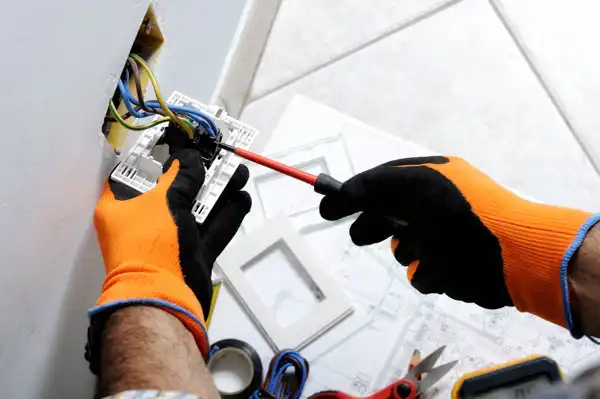
A maintenance visit can catch small issues before they become bigger ones. Loose electrical connections, restricted airflow, drainage problems, and signs of wear are easier to address during a scheduled appointment than during a Friday evening heat wave when the indoor temperature is climbing and everyone in the house has become unpleasantly damp.
That said, maintenance is not immortality. It will not turn a poorly installed system into a masterpiece. It will not reverse every aging component. It will not guarantee a compressor never fails. Good maintenance improves the odds. Anyone promising more than that is selling fairy dust in a branded polo.
Installation: the part customers see least and feel most
A replacement air conditioner, furnace, or heat pump is a major purchase, and the visible equipment is only part of the job. Installation quality lives in the details: sizing, placement, duct connection, electrical requirements, drainage, refrigerant charging, startup procedures, and the coordination of any associated plumbing or gas work. A heat pump installation, for example, may involve both heating and cooling performance considerations. It is not just an outdoor box with a fan and a charming hum.
Correct sizing deserves special attention. Bigger is not automatically better. Oversized air conditioning equipment can cycle poorly. Undersized equipment may run constantly and still fail to meet demand. The right approach considers the building and the load rather than guessing from the size of the old unit. The old unit may have been wrong for years. Houses change. Insulation changes. Windows change. Additions happen. Ducts get modified by people who own tin snips but not shame.
Refrigerant charging is another area where skill shows. Proper charging affects efficiency and reliability. Too little or too much refrigerant can hurt performance and increase stress on components. It is one of those tasks that separates trained work from “close enough,” and close enough has a habit of sending invoices later.
A professional contractor should also know when another trade needs to be involved. If electrical service must be modified, an Electrician may be required. If gas piping is part of a furnace or other heating equipment installation, qualified gas installation service matters. If condensate disposal ties into plumbing in a more involved way, plumbing expertise may be needed. A contractor who coordinates the right people is not complicating the job. They are preventing the sequel.
Where HVAC meets plumbing, and why the floor is wet
Mechanical rooms are crowded little ecosystems. HVAC and plumbing often share space, drains, access points, and homeowner confusion. A puddle near the air handler might be condensate. It might be from a water heater. It might be a plumbing leak repair waiting to happen. It might be something no one wants to discuss before coffee.
A Plumber and an air conditioning contractor often approach the same room from different angles. The HVAC technician sees airflow, refrigerant, controls, heating, and condensate. The plumber sees supply piping, drains, fixtures, water heaters, softeners, and sewer connections. In a full-service contractor business, those skills may exist under one roof. In other cases, separate specialists coordinate.
Water heater repair and water heater installation are good examples. They are not air conditioning services, but they commonly sit beside HVAC equipment in the service life of a home or building. If a customer already has a contractor they trust for mechanical work, they may ask that company about water heaters, plumbing repiping, water softener installation, or plumbing leak repair. Whether the same company performs those services depends on licensing, staffing, and scope.
Drainage creates another natural overlap. Air conditioning systems produce condensate, and that water has to go somewhere. Drain cleaning, Rooter service, and Hydrojetting belong more squarely in plumbing and sewer service, but drainage failures can be mistaken for HVAC failures when water appears near equipment. Septic system service is another separate area, but it can enter the conversation when building drainage is part of a broader property issue. Good contractors do not blur those lines to look larger. They identify the actual problem and send the right trade.
A short homeowner checklist before calling for service
Not every problem requires the customer to become an amateur technician. Please do not remove panels, poke electrical parts, open refrigerant circuits, or negotiate with gas components. Still, a few simple checks can save time and embarrassment. Every contractor has arrived for a “dead system” and found a switched-off thermostat. It builds character, mostly for the customer.
- Check that the thermostat is set to the correct mode and temperature.
- Look at the air filter and replace it if it is clearly clogged.
- Confirm the relevant breaker has not tripped, without repeatedly resetting it.
- Make sure supply and return vents are not blocked by furniture, rugs, or ambitious laundry piles.
- Note any sounds, smells, water, ice, or error codes before calling.
Those notes help the dispatcher and technician. “It is making a noise” is a start, but “the outdoor unit hums for a few seconds, then stops” is better. “There is water under the furnace” is useful. “There is water under the furnace and the water heater pan is dry” is more useful. Service work improves when the first conversation contains clues instead of vibes.
The electrician is not optional when electricity is the problem
Air conditioning and heating equipment depend on electrical systems. Controls, motors, compressors, blowers, ignition systems, pumps, and thermostats all need power or signals. Some HVAC technicians are trained and qualified for equipment-side electrical diagnosis. Broader electrical modifications, circuit work, panel issues, or lighting work may require an Electrician or Lighting contractor.
This distinction matters because electrical work can be deceptively simple from the outside. A wire is a wire until it is the wrong wire, the wrong size, the wrong protection, or connected in the wrong place. Then it becomes a lesson with smoke.
When replacing HVAC equipment, electrical compatibility should be reviewed. New equipment may have different requirements than old equipment. If electrical work is required beyond the HVAC equipment connection, it should be handled by the appropriate qualified trade. A good air conditioning contractor will say that plainly. A poor one may wave at the panel and say, “We can make it work,” which is not the same thing as making it right.
Heating services are not just “winter air conditioning”
Heating contractor work includes furnaces, heat pumps, related controls, and the equipment needed to keep buildings warm. Furnace repair service brings its own diagnostic world: ignition, combustion, blower operation, safety controls, venting, filters, and gas-related components where applicable. A furnace is not merely an air conditioner that went to a colder school.
Gas installation service deserves sober respect. Gas piping and gas-fired equipment are not places for improvisation. The same goes for combustion safety and venting. A contractor who treats safety controls as obstacles is not handy. They are a future incident report wearing boots.
Heat pumps add another layer because they can provide both heating and cooling. A heat pump installation must consider performance in both seasons. The equipment selection, refrigerant charge, airflow, controls, and auxiliary heat strategy all influence comfort and reliability. The phrase “it runs” is a low bar. A ceiling fan runs. That does not mean it should be trusted with a January morning.
Repair, replace, or maintain: the judgment call
Customers often ask whether they should repair or replace. The honest answer is usually “it depends,” which is true, annoying, and unsatisfying. Age matters, but age alone does not decide. Repair cost matters, but a cheap repair on a failing system may still be a poor investment. Comfort matters. Energy use matters. Installation quality matters. Past service history matters a great deal. A system with repeated failures is trying to tell you something, and it is not reciting poetry.
Here is the practical dividing line: repair makes sense when the fault is isolated, the equipment is otherwise in serviceable condition, and the cost is proportionate. Replacement becomes more attractive when failures repeat, major components are involved, comfort has been poor for years, or the existing equipment was badly selected or installed. Maintenance remains the best choice when the system is functioning well and simply needs seasonal care.
A reputable contractor should be comfortable presenting options. Not every call should end with a replacement proposal. Not every replacement recommendation is a scam, either. Sometimes the unit is simply at the end of its useful patience. The trick is explaining the reasoning clearly enough that the customer can make an informed decision without feeling cornered.
What separates a professional contractor from a parts changer
The difference shows up in small habits. A professional asks questions before opening the tool bag. They look at the whole system, not only the failed part. They respect trade boundaries. They document findings. They explain risk without turning every conversation into a hostage negotiation.
They also understand that HVAC equipment belongs to a building. Air conditioning performance depends on airflow, ductwork, equipment sizing, refrigerant charge, controls, and the condition of the structure around it. Heating performance depends on equipment, distribution, controls, fuel or electrical supply, and safe operation. Plumbing connections, drainage, gas service, and electrical capacity can all matter depending on the system.
Parts changers tend to focus on the most obvious failed component. Professionals ask why it failed. Was the motor old, or was airflow restricted? Did the drain clog once, or is the piping arranged poorly? Is the compressor failure random, or has the system been improperly charged or starved for airflow? A good diagnosis does not always produce a dramatic answer. Sometimes it produces a modest repair and a note to keep an eye on something. That is fine. Drama is for theater and family group texts.
Choosing an air conditioning repair service without losing your will to live
Hiring a contractor should not feel like decoding a treasure map. You want competence, clear scope, fair communication, and respect for the building. Price matters, of course. It just should not be the only thing that matters. The cheapest proposal can become expensive if it leaves out necessary work, ignores sizing, skips commissioning, or assumes another trade will magically appear.
A useful conversation with a contractor sounds specific. They should be able to describe what they will inspect during air conditioning maintenance, how they approach air conditioning repair, what is included in an air conditioning tune-up, and how they handle associated plumbing, electrical, or gas work. If they offer plumbing services, ask what that includes: plumbing leak repair, drain cleaning, Rooter service, Hydrojetting, water heater repair, water heater installation, plumbing repiping, or water softener installation. If they offer heating services, ask about furnace repair service, heat pump installation, and gas-related qualifications where applicable.
A contractor does not need to do everything. Many excellent companies specialize. The key is honesty about scope. A specialist who says, “We do HVAC and bring in a licensed electrician when the electrical service needs modification,” is far more reassuring than a generalist who says, “We do it all,” then looks surprised by a junction box.
Five questions worth asking before approving major HVAC work
For a small repair, you may not need a courtroom-level inquiry. For replacement or major service, a few direct questions can protect you from vague proposals and expensive misunderstandings.
- How did you determine the equipment size or repair recommendation?
- What is included in the installation, startup, and testing process?
- Will any electrical, plumbing, drain, or gas work be required?
- Who performs work that falls outside standard HVAC scope?
- What maintenance does this system need after the job is complete?
The answers should be plain enough for a normal person to understand. If the explanation relies entirely on jargon, ask again. Technical work can be complex, but the reasoning should not be hidden behind fog. A contractor who understands the work can usually explain it without sounding like a manual fell down the stairs.
The commercial side of the same trade
Residential customers often think in terms of comfort: bedrooms too hot, downstairs too cold, furnace out, water heater leaking, drain backed up. Commercial and institutional work can add different pressures. Equipment may serve larger areas, more occupants, or spaces with specific operating needs. Downtime can affect employees, tenants, customers, or operations.
The same broad principles still apply. HVACR systems must be designed, installed, maintained, and serviced properly. Contractors working in residential, commercial, industrial, institutional, or governmental settings still need competence in the fundamentals: heating, cooling, ventilation, refrigeration where applicable, maintenance, repair, and system performance. The scale changes. The need for disciplined work does not.
Commercial customers should be especially careful about maintenance planning. A system failure in a home is uncomfortable. A system failure in a business can disrupt revenue, schedules, and building use. Preventive maintenance does not make equipment invincible, but it gives facility managers a fighting chance to find trouble before it introduces itself during peak occupancy.
Refrigerants, regulations, and why “just topping it off” is not a strategy
Air conditioners and refrigeration Plumber equipment fall into a regulated world when refrigerants are involved. Technicians who maintain, service, repair, or install such equipment may be subject to specific requirements. That matters because refrigerant work is not the same as adding air to a tire. It requires knowledge, proper handling, and appropriate certification where required.
Customers sometimes ask for a quick recharge as though refrigerant gets used up like windshield washer fluid. It should not. If a system is low, there may be a leak or another issue requiring diagnosis. Adding refrigerant without understanding why the system needs it can postpone the real repair and increase cost later. It can also leave the system operating poorly.
Proper refrigerant charging is part of quality installation and service. It affects energy consumption and failure risk. This is one of the reasons a suspiciously cheap installation should make you squint. If the job does not include enough time to do the technical work properly, the savings may be sitting quietly in the system, waiting to become a future repair.
The best contractors are boring in the right ways
There is a kind of contractor who makes good work look uneventful. They arrive when scheduled or communicate when delayed. They protect the work area. They test instead of guess. They explain findings without performing a one-person disaster movie. They know when to call a Plumber, Electrician, Heating contractor, Gas installation service, Lighting contractor, or Septic system service rather than pretending every problem fits in the same tool pouch.
That kind of boring is valuable. It means fewer callbacks, cleaner installations, safer repairs, and better long-term comfort. It means the air conditioner cools, the furnace heats, the heat pump behaves, the water drains where it should, and the customer does not have to learn five new trade specialties before dinner.
HVAC services live at the intersection of comfort, safety, energy use, and building function. Air conditioning repair service, air conditioning maintenance, furnace repair service, heat pump installation, water heater installation, drain cleaning, and related trades may all appear in the life of one property. The contractor’s job is to know what they do, know what they do not do, and make sure the right qualified hands touch the right parts.
A well-run air conditioning contractor business does not merely sell equipment. It protects comfort with skill, restraint, and a healthy suspicion of easy answers. That may not sound glamorous, but when the house is cool on a brutal afternoon or warm during a hard freeze, glamour can take a number. Comfort got there first.
Name: Service Lion Plumbing Heating Air Electric
Address: 521 W Briardale Ave, Orange, CA 92865, United States
Phone: (657) 567-7305
Website: https://callservicelion.com/
Email: [email protected]
Hours:
Monday: Open 24 hours
Tuesday: Open 24 hours
Wednesday: Open 24 hours
Thursday: Open 24 hours
Friday: Open 24 hours
Saturday: Open 24 hours
Sunday: Open 24 hours
Open-location code: R48R+WV Orange, California, USA
Map/listing URL:
https://www.google.com/maps/search/?api=1&query=Google&query_place_id=ChIJQU4LBWHV3IARtnABtyykSA4
Google Map:
Socials:
https://www.facebook.com/ServiceLionCA/
https://www.youtube.com/channel/UCR_L35QzsRTxYZtX8PxJvPw
Local Service Information
Service Lion Plumbing Heating Air Electric provides plumbing, drain, heating, air conditioning, and electrical services from its Orange, California location.The company serves homeowners and properties throughout Orange and communities across Orange County and surrounding areas.
Available services include plumbing repairs, water heater work, drain and sewer services, heating and cooling service, electrical repairs, panels, lighting, outlets, and related home-system work.
Service is available for residential properties as well as light commercial needs described within the company's local service-area information.
The company's website emphasizes locally operated service, coordinated home-system support, and practical scheduling for plumbing, HVAC, and electrical needs.
The matching public business listing shows the Orange location as open 24 hours a day, seven days a week.
For service information or scheduling, call (657) 567-7305 or visit https://callservicelion.com/.
The public map listing identifies the business at 521 W Briardale Ave, Orange, CA 92865 and can be used for location and direction information.
Popular Questions About Service Lion Plumbing Heating Air Electric
What services does Service Lion Plumbing Heating Air Electric provide?
The company provides plumbing, drain and sewer, heating, air conditioning, and electrical services. Its published services include plumbing repair, water heaters, drain clearing, sewer work, HVAC repair and installation, electrical repairs, panels, circuit breakers, lighting, outlets, and related services.
Where is Service Lion Plumbing Heating Air Electric located?
The matching business location is 521 W Briardale Ave, Orange, CA 92865, United States.
What areas does Service Lion Plumbing Heating Air Electric serve?
The company serves Orange County and surrounding communities. Its published service-area information includes Orange, Anaheim, Brea, Yorba Linda, Fullerton, Huntington Beach, Newport Beach, Costa Mesa, Irvine, Lake Forest, and additional nearby cities.
Is Service Lion Plumbing Heating Air Electric open 24 hours?
The matching public business listing shows the location as open 24 hours on Monday through Sunday.
Does Service Lion Plumbing Heating Air Electric work on drains and sewer lines?
Yes. Published services include drain clearing, rooter service, camera inspection, hydro jetting, sewer line repair and installation, water line work, slab leak detection, and trenchless sewer line repair.
Does Service Lion Plumbing Heating Air Electric provide heating and air conditioning service?
Yes. Its published HVAC services include air conditioning repair and installation, heating service, furnace work, heat pumps, air ducts, indoor air quality assessments, and thermostat installation.
Does Service Lion Plumbing Heating Air Electric provide electrical service?
Yes. Published electrical services include repairs and installations, electrical panels, circuit breakers, safety inspections, lighting, outlets and switches, surge protection, generators, and EV charging equipment installation.
How can I contact Service Lion Plumbing Heating Air Electric?
Call (657) 567-7305.
Email: [email protected]
Website: https://callservicelion.com/
Facebook: https://www.facebook.com/ServiceLionCA/
Landmarks Near Orange, California
Old Towne Orange Historic District
A central historic district and useful geographic reference point for the Orange community.
Plaza Park
A well-known public gathering point in the center of Old Towne Orange.
Orange Public Library & History Center
A civic landmark serving residents near central Orange.
Hart Park
A major public park and recreation area south of central Orange.
Eisenhower Park
A public park serving neighborhoods in northern Orange.
Santiago Oaks Regional Park
A regional recreation and open-space landmark on the eastern side of Orange.
Irvine Regional Park
A large regional park and recognizable reference point east of the city.
Orange Park Acres
A distinctive residential community and service-area reference point in eastern Orange.
El Modena
An established Orange neighborhood that provides a practical local coverage reference.
Glassell Street
One of the city's principal north-south streets and a useful route through central Orange.
Lincoln Avenue
A major east-west roadway serving northern Orange and nearby communities.
State Route 55
A primary regional freeway connecting Orange with other parts of Orange County.