Air Conditioning Maintenance for Lower Failure Risk
Air conditioners have a flair for drama. They rarely fail on a mild Tuesday morning when everyone is calm, hydrated, and wearing sensible shoes. No, they prefer the first heat wave, the packed holiday weekend, the evening when dinner is half-cooked and the dog is staring at you like you personally ruined summer.
That is why air conditioning maintenance matters. Not because equipment enjoys being pampered, although some units do seem to have the temperament of a prize poodle, but because maintenance lowers the odds of preventable failure. It gives a trained air conditioning contractor a chance to find small problems before they become expensive noises, hot rooms, and urgent calls for air conditioning repair service.
A cooling system is not a decorative metal box that happens to make cold air. It is a working mechanical system tied into airflow, electrical components, refrigeration, controls, and often the broader comfort setup of the home or building. In the trade, heating, ventilation, and air conditioning work sits in the same practical universe as plumbing and heating service, with related skills sometimes overlapping around equipment installation, maintenance, repairs, duct work, and the electrical or plumbing connections that support the system. That does not mean every Plumber is an air conditioning technician, or every Electrician wants to discuss refrigerant charge over lunch. It means buildings are systems, and when one part gets ignored, another part eventually sends a complaint.
Usually at 4:58 p.m.
Maintenance is risk management, not magic
A good air conditioning tune-up does not make a worn-out system immortal. It will not turn an undersized unit into a champion, resurrect neglected ductwork, or politely convince a failing component to live forever. What it can do is reduce failure risk by keeping the system closer to its intended operating condition.
The key phrase there is closer to intended. Air conditioners and heat pumps are designed to move heat in a controlled way. That process depends on correct airflow, clean heat transfer surfaces, sound electrical operation, proper refrigerant charging, and controls that do what they are told. When those conditions drift, the unit may still run, but it runs under stress. Stress is where breakdowns breed. It is the mechanical version of driving with one tire low, the check engine light glowing, and a milkshake in the cupholder.
Proper installation and service matter here. Correct equipment sizing and proper refrigerant charging are not fancy upsells. They are basic pieces of quality HVAC work. A system with an incorrect charge can consume more energy and face greater failure risk. That is especially relevant for both traditional air conditioners and heat pump installation, where cooling and heating performance both depend on the equipment being set up and serviced correctly.
Maintenance is not just about comfort either. A neglected air conditioner can become a scheduling problem, a budget problem, and sometimes a safety-adjacent problem when electrical faults or improper service practices enter the picture. Technicians who service air conditioners and refrigeration equipment work under rules that govern refrigerants and repair practices. That is one reason a casual “my cousin has gauges” approach can become less charming very quickly.
What actually gets maintained
Air conditioning maintenance sounds simple until someone opens the panel. Then it becomes obvious that the system is part machine, part airflow puzzle, part electrical cabinet, and part chemistry lesson that nobody asked for.
During an air conditioning tune-up, a qualified technician will generally look at the system as a whole rather than blessing the outdoor unit and leaving a refrigerator magnet. Exact tasks vary by equipment type, site conditions, and service agreement, but the practical goal stays the same: confirm that the unit can move heat properly and operate without unnecessary strain.
Airflow deserves special attention because it affects nearly everything else. If the system cannot move enough air across the indoor coil, cooling suffers. The equipment may run longer, the coil may get too cold, and comfort becomes uneven. People often blame the thermostat because the thermostat is visible and has buttons, which makes it an easy scapegoat. But the thermostat is often just the messenger, and like most messengers, it does not deserve the yelling.
Electrical checks matter too. Air conditioners rely on electrical components to start motors, control operation, and keep everything moving in the right sequence. Loose connections, worn components, and failing controls are not glamorous, but they are common reasons equipment stops cooperating. This is where the line between an air conditioning repair service and an Electrician can matter. Some HVAC technicians handle the equipment-side electrical work associated with the system, while broader building electrical issues may call for a licensed electrical contractor. Good contractors know where that line sits and do not treat the service panel like a guessing game.
Refrigerant charge is another major piece. The word “charge” sometimes makes homeowners think refrigerant is fuel, as if the unit uses it up like a grill uses propane. It does not work that way. Refrigerant circulates in a closed system. If the level is wrong, that usually points to improper charging, service issues, or leakage that needs proper diagnosis. Adding refrigerant without understanding why the charge is off is not maintenance. It is more like topping off a leaky tire every morning and calling yourself a transportation strategist.
The maintenance visit that saves a weekend
A memorable service call does not always involve smoke, sparks, or a heroic sprint across an attic. Sometimes it is plain, almost boring, which is precisely the point.
Picture a routine spring maintenance visit. The homeowner has no complaint other than “it worked last year.” That sentence is responsible for more technician eyebrow movement than almost anything else. The system starts, but the outdoor unit sounds a little rough. The technician checks operating conditions, inspects the electrical compartment, evaluates airflow, and looks for signs the unit is working harder than it should. Maybe a component is weak. Maybe the coil needs cleaning. Maybe the refrigerant charge does not look right and requires further investigation.
Handled during a scheduled visit, that issue is an inconvenience. Handled after the unit quits during a heat spell, it becomes a crisis with sweat, phone tag, and someone muttering darkly about moving to the mountains.
That is the difference maintenance often makes. It does not guarantee perfection, but it shifts some problems from emergency mode to planning mode. Planning mode is cheaper in blood pressure.
Why failure risk rises when service is skipped
Air conditioners tend to fail for boring reasons before they fail for exotic ones. Dirt, restricted airflow, electrical wear, poor installation conditions, improper charge, neglected repairs, and simple age all play their parts. The problem is that small issues compound.
Restricted airflow can make the system run longer. Longer run times can add wear. Poor heat transfer can affect pressures and temperatures inside the system. Electrical components that start and stop equipment repeatedly can degrade over time. If a system was not correctly sized or charged in the first place, maintenance becomes even more important because the margin for error may already be thin.
This is also why air conditioning maintenance is not the same as waiting for air conditioning repair. Repair is reactive. Maintenance is investigative. Repair asks, “What broke?” Maintenance asks, “What is drifting, wearing, clogging, overheating, or preparing to ruin lunch?”
Both services have their place. A good air conditioning repair service is essential when equipment has already failed or is operating improperly. But relying only on repair is like visiting the dentist only when soup hurts. Technically possible, spiritually unwise.
The tune-up is only as good as the technician
HVAC contractors are specialized contractors whose core work includes installing and maintaining heating, ventilation, and air conditioning equipment. That specialization matters. Air conditioners are appliances in the regulatory sense, and technicians who maintain, service, or repair them need to understand not only the equipment but also accepted service practices.
A serious air conditioning contractor does not treat maintenance as a theatrical performance. You should not be paying for someone to tap the cabinet, change a filter if it is within reach, and declare the system “good to go” with the confidence of a man who has not opened anything. A useful visit includes actual inspection, measurements where appropriate, and professional judgment.
That judgment matters because not every finding requires panic. A slightly aging component may deserve monitoring rather than immediate replacement. A system near the end of its useful service life may justify a different conversation than a newer unit with a correctable issue. A repair that makes sense in a five-year-old system may be questionable in equipment that has been limping along long enough to qualify for a commemorative plaque.
A good technician explains trade-offs without turning your kitchen into a courtroom. You should understand what is urgent, what is recommended, what can wait, and what might affect reliability if ignored. If every observation becomes a red-alert emergency, you are not getting guidance. You are getting theater, and not the good kind with snacks.
Maintenance and installation are cousins, not strangers
The best maintenance in the world cannot fully overcome poor installation. That is an inconvenient truth, but buildings are full of inconvenient truths. Ask anyone who has found a plumbing leak repair hiding behind a cabinet.
Quality HVAC installation includes correct equipment sizing and proper refrigerant charging. If the equipment is too large, too small, poorly charged, or connected to a duct system that cannot support proper airflow, the system may struggle from the beginning. Maintenance can identify symptoms and sometimes correct serviceable issues, but it cannot rewrite every bad decision made at installation.
This becomes especially important when considering heat pump installation. A heat pump handles cooling like an air conditioner and also provides heating by moving heat in the opposite seasonal direction. Because it works across more of the year in many applications, proper installation and maintenance can affect both summer comfort and heating performance. A heating contractor who understands heat pumps will look beyond the outdoor unit and think about airflow, controls, refrigerant charge, and the building’s needs.
The same logic applies when a home has both air conditioning and a furnace. A Furnace repair service may focus on heating equipment, while air conditioning maintenance focuses on cooling, but shared airflow components can connect the two systems. If the blower or ductwork serves both heating and cooling, a problem noticed during one season may matter in the other. Comfort equipment does not respect our calendar categories. It just runs, complains, or quits.
The larger building system always gets a vote
One reason experienced contractors ask odd questions is that air conditioning problems are not always isolated to the air conditioner. The cooling system lives inside a building that may also need Plumbing leak repair, Drain cleaning, Rooter service, Hydrojetting, Water heater repair, Water heater installation, Plumbing repiping, Water softener installation, Gas installation service, Lighting contractor work, or Septic system service. That sounds like a crowded business card, but in real service life, trades cross paths constantly.
Water near HVAC equipment may come from condensate drainage, plumbing leaks, or another building issue. Electrical trouble may be equipment-related or part of a broader circuit concern. A gas furnace paired with an air conditioning coil may involve both heating and cooling service knowledge. A clogged drain line can create water damage that looks, at first glance, like a mystery with bad manners.
None of this means your air conditioning maintenance appointment should turn into a parade of unrelated upsells. It means a competent contractor pays attention. If something outside the cooling system affects safety, operation, or property damage risk, they should say so plainly. The building does not care which department caused the problem. It only cares how long it can leak before someone notices.
What homeowners and building managers can do between visits
Professional service matters, but the owner or manager is not helpless between tune-ups. Some basic attention can lower nuisance problems and help you catch changes before they become failures. The trick is knowing where helpful ends and meddling begins.
A short owner-side checklist can be useful:
- Replace or clean filters according to the equipment needs and site conditions, especially during heavy cooling use.
- Keep supply and return vents open and unobstructed so airflow is not strangled by furniture, rugs, or ambitious decorating.
- Listen for new noises, short cycling, weak airflow, or rooms that suddenly refuse to cool.
- Keep the outdoor unit reasonably clear of leaves, debris, and stored items so it can reject heat.
- Call for service when performance changes, rather than waiting for the system to fail completely.
That last point deserves a raised eyebrow. Many people wait because the system is “still running.” A struggling unit can run right up until it does not. Running is not the same as healthy. A raccoon can also run, but you would not hire one as a consultant.
Filters are especially misunderstood. A dirty filter can restrict airflow. An overly restrictive filter can also create problems if the system is not designed for it. The best filter is not always the one with the most impressive packaging. It is the one that fits the system’s needs and gets changed before it becomes a gray felt blanket.
Outdoor unit clearance is another simple habit. The outdoor coil needs access to air. If landscaping grows into the unit, or storage boxes gather around it, heat rejection suffers. People sometimes hide outdoor equipment for appearance, which is understandable. Air conditioners are not exactly sculpture. But there is a difference between screening a unit sensibly and building it a tiny sauna.
When maintenance finds repair needs
A maintenance visit sometimes turns into an air conditioning repair conversation. That is not a failure of the tune-up. That is the tune-up doing its job.
The question is how to decide what to do next. Urgency depends on the type of fault, the age and condition of the equipment, comfort needs, budget, and whether the issue is likely to cause further damage if ignored. A weak component in a heavily used system during cooling season may deserve prompt attention. A minor recommendation on a lightly used system may be monitored. A refrigerant-related concern may require proper diagnosis rather than quick topping off.
Here is where plain communication matters. The contractor should explain what was found, why it matters, and what the options are. If repair is needed, you should know whether it is intended to restore operation, improve reliability, correct an installation or service issue, or reduce the chance of a near-term failure.
The best service conversations sound less like scare tactics and more like a mechanic explaining brakes. “This is worn, this is what happens if it gets worse, here is the reasonable next step.” No fog machine required.
Commercial systems raise the stakes
Residential air conditioning failure is uncomfortable. Commercial failure can disrupt work, customers, equipment, tenants, or operations. The basic maintenance principles remain similar, but the consequences often grow.
Commercial and institutional HVACR systems may require more structured service, especially where cooling supports occupancy, equipment rooms, or business continuity. Contractors who design, install, maintain, and service HVACR systems work across residential, commercial, industrial, institutional, and governmental settings, and each setting brings its own tolerance for downtime.
For a small office, a failed air conditioner may mean miserable employees and an emergency repair bill. For a retail space, it may affect customers and revenue. For certain operations, temperature control may be tied to equipment reliability or process needs. In those cases, maintenance is not merely a comfort habit. It is part of operational planning.
That does not mean every commercial client needs the most elaborate service program available. It means the service plan should match the risk. A rarely used space has different needs than a facility that depends on cooling every business day. Good maintenance is scaled to reality, not sold by the pound.
The awkward truth about old equipment
At some point, maintenance stops being prevention and becomes palliative care with a tool bag.
Older systems can often be maintained and repaired, but reliability expectations should stay realistic. If major components are worn, repairs are becoming frequent, or performance has slipped despite proper service, it may be time to discuss replacement. That conversation should include sizing, installation quality, airflow, controls, and refrigerant charging, not just “same size as before, but shinier.”
This is where a responsible heating contractor or air conditioning contractor earns trust. Recommending replacement too early is wasteful. Recommending endless repairs on a system that keeps failing can be equally unhelpful. The right answer depends on the equipment condition, repair cost, expected reliability, and the building’s needs.
There is also a timing issue. Replacing equipment in a planned way usually beats replacing it after a complete failure during extreme weather. Emergency replacement limits choices. Planned replacement allows Plumber better evaluation, proper installation practices, and a calmer household. Calm is underrated. It rarely appears on invoices, but it should.
How maintenance lowers failure risk in practical terms
The phrase “lower failure risk” can sound vague, so let’s make it concrete. Maintenance reduces risk by finding abnormal conditions, correcting serviceable problems, and keeping the system closer to the conditions under which it is meant to operate. It supports proper airflow. It helps identify electrical issues. It can reveal improper refrigerant charging or symptoms that require deeper diagnosis. It gives the technician a chance to spot water drainage concerns, worn parts, and performance changes.
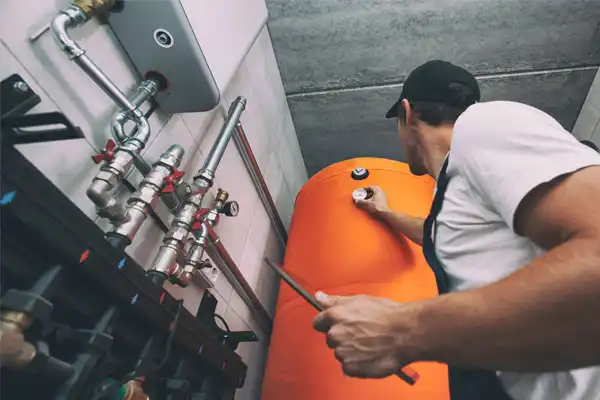
A tune-up cannot prevent every failure because mechanical components still age and defects still happen. Even well-maintained equipment can fail. That is not a contradiction. It is reality. Seat belts do not prevent every injury either, but no sensible person calls them decorative.
The biggest benefit is often catching problems while there is still time to choose. Maintenance creates opportunities. You can schedule a repair before a heat wave. You can budget for replacement before the system quits. You can correct airflow issues before they stress the equipment through another long season. You can ask questions while everyone is still dry, cool, and civil.
Choosing a contractor without falling for the shiny truck
A shiny truck is nice. So is a clean uniform. Neither proves competence. When choosing an air conditioning contractor, look for a company that treats HVAC as skilled trade work, not a guessing booth. The contractor should understand installation, maintenance, repairs, and the related electrical or plumbing connections that support heating and cooling equipment. If your building has broader service needs, it can be useful to work with a company that coordinates plumbing, heating, air conditioning, and related services responsibly, while still using properly qualified people for each task.
A few signs are worth noticing:
- The technician asks about symptoms, usage, comfort issues, and equipment history before making big claims.
- The service includes inspection and evaluation, not just a quick glance and a sales pitch.
- Repair recommendations are explained in plain language with urgency separated from preference.
- Refrigerant and electrical work are handled seriously, not casually.
- The company knows when a specialized Electrician, Plumber, or other trade professional should be involved.
The best contractors do not pretend every problem is simple. They also do not make it more mysterious than necessary. They bring the conversation back to the equipment, the building, the facts found during service, and the owner’s practical choices.
The maintenance schedule question
People often ask how often air conditioning maintenance should be done. The safest broad answer is regularly, with timing based on equipment type, usage, environment, and manufacturer or contractor recommendations. Many owners prefer service before the cooling season so problems can be caught before heavy use begins. Systems that run harder, serve critical spaces, or operate in harsher conditions may need more attention.
The important part is consistency. Skipping service for years and then requesting a “quick tune-up” before a party is not a maintenance plan. It is a prayer with a ladder.
For homes with combined heating and cooling systems, service timing may be split seasonally. Cooling equipment gets attention before warm weather. Heating equipment, including furnaces and heat pumps, gets attention before cold weather. A Furnace repair service may become relevant if heating problems are found, while cooling-specific issues stay with air conditioning repair. In many buildings, one HVAC contractor may handle both, depending on licensing, qualifications, and scope.
A cooler head, a healthier system
Air conditioning maintenance is not glamorous. Nobody frames a service report and hangs it over the mantel. Yet routine maintenance is one of the most sensible ways to lower failure risk, improve reliability, and avoid the special misery of emergency repairs when the weather is already doing push-ups outside.
The work is practical. Keep airflow healthy. Confirm the system operates correctly. Pay attention to refrigerant charging and heat transfer. Inspect electrical components tied to the equipment. Treat installation quality as part of long-term reliability. Repair what needs repairing before it becomes a larger problem. Replace equipment when continued repair stops making sense.
Buildings reward this kind of steady attention. Not with https://www.storeboard.com/servicelionplumbingheatingairelectric2 applause, sadly, but with fewer breakdowns, fewer frantic calls, and fewer moments where everyone gathers around the thermostat as if pressing the down arrow harder will summon mercy.
A well-maintained air conditioner may never become exciting. That is the point. In the comfort business, boring is beautiful. Boring means the system starts, runs, cools, drains, shuts off, and does it again without turning your afternoon into a sweaty group project.
Name: Service Lion Plumbing Heating Air Electric
Address: 521 W Briardale Ave, Orange, CA 92865, United States
Phone: (657) 567-7305
Website: https://callservicelion.com/
Email: [email protected]
Hours:
Monday: Open 24 hours
Tuesday: Open 24 hours
Wednesday: Open 24 hours
Thursday: Open 24 hours
Friday: Open 24 hours
Saturday: Open 24 hours
Sunday: Open 24 hours
Open-location code: R48R+WV Orange, California, USA
Map/listing URL:
https://www.google.com/maps/search/?api=1&query=Google&query_place_id=ChIJQU4LBWHV3IARtnABtyykSA4
Google Map:
Socials:
https://www.facebook.com/ServiceLionCA/
https://www.youtube.com/channel/UCR_L35QzsRTxYZtX8PxJvPw
Local Service Information
Service Lion Plumbing Heating Air Electric provides plumbing, drain, heating, air conditioning, and electrical services from its Orange, California location.The company serves homeowners and properties throughout Orange and communities across Orange County and surrounding areas.
Available services include plumbing repairs, water heater work, drain and sewer services, heating and cooling service, electrical repairs, panels, lighting, outlets, and related home-system work.
Service is available for residential properties as well as light commercial needs described within the company's local service-area information.
The company's website emphasizes locally operated service, coordinated home-system support, and practical scheduling for plumbing, HVAC, and electrical needs.
The matching public business listing shows the Orange location as open 24 hours a day, seven days a week.
For service information or scheduling, call (657) 567-7305 or visit https://callservicelion.com/.
The public map listing identifies the business at 521 W Briardale Ave, Orange, CA 92865 and can be used for location and direction information.
Popular Questions About Service Lion Plumbing Heating Air Electric
What services does Service Lion Plumbing Heating Air Electric provide?
The company provides plumbing, drain and sewer, heating, air conditioning, and electrical services. Its published services include plumbing repair, water heaters, drain clearing, sewer work, HVAC repair and installation, electrical repairs, panels, circuit breakers, lighting, outlets, and related services.
Where is Service Lion Plumbing Heating Air Electric located?
The matching business location is 521 W Briardale Ave, Orange, CA 92865, United States.
What areas does Service Lion Plumbing Heating Air Electric serve?
The company serves Orange County and surrounding communities. Its published service-area information includes Orange, Anaheim, Brea, Yorba Linda, Fullerton, Huntington Beach, Newport Beach, Costa Mesa, Irvine, Lake Forest, and additional nearby cities.
Is Service Lion Plumbing Heating Air Electric open 24 hours?
The matching public business listing shows the location as open 24 hours on Monday through Sunday.
Does Service Lion Plumbing Heating Air Electric work on drains and sewer lines?
Yes. Published services include drain clearing, rooter service, camera inspection, hydro jetting, sewer line repair and installation, water line work, slab leak detection, and trenchless sewer line repair.
Does Service Lion Plumbing Heating Air Electric provide heating and air conditioning service?
Yes. Its published HVAC services include air conditioning repair and installation, heating service, furnace work, heat pumps, air ducts, indoor air quality assessments, and thermostat installation.
Does Service Lion Plumbing Heating Air Electric provide electrical service?
Yes. Published electrical services include repairs and installations, electrical panels, circuit breakers, safety inspections, lighting, outlets and switches, surge protection, generators, and EV charging equipment installation.
How can I contact Service Lion Plumbing Heating Air Electric?
Call (657) 567-7305.
Email: [email protected]
Website: https://callservicelion.com/
Facebook: https://www.facebook.com/ServiceLionCA/
Landmarks Near Orange, California
Old Towne Orange Historic District
A central historic district and useful geographic reference point for the Orange community.
Plaza Park
A well-known public gathering point in the center of Old Towne Orange.
Orange Public Library & History Center
A civic landmark serving residents near central Orange.
Hart Park
A major public park and recreation area south of central Orange.
Eisenhower Park
A public park serving neighborhoods in northern Orange.
Santiago Oaks Regional Park
A regional recreation and open-space landmark on the eastern side of Orange.
Irvine Regional Park
A large regional park and recognizable reference point east of the city.
Orange Park Acres
A distinctive residential community and service-area reference point in eastern Orange.
El Modena
An established Orange neighborhood that provides a practical local coverage reference.
Glassell Street
One of the city's principal north-south streets and a useful route through central Orange.
Lincoln Avenue
A major east-west roadway serving northern Orange and nearby communities.
State Route 55
A primary regional freeway connecting Orange with other parts of Orange County.