Drain Cleaning for Commercial Properties and Busy Households
A slow drain has a flair for drama. It does not simply announce itself with a polite memo. It gurgles during dinner, burps in the guest restroom, floods the mop sink five minutes before closing, or turns the kids’ bathtub into a suspicious swamp. In a home, that is annoying. In a restaurant, salon, clinic, apartment building, or office, it can become an operations problem with wet shoes.
Drain cleaning looks simple from the outside. Water should go down. When it does not, someone calls a plumber, a cable machine appears, and peace returns. Sometimes that is exactly how it goes. Other times, the clog is not a clog at all. It is a warning sign from a pipe system that has been collecting grease, scale, hair, wipes, roots, or poor decisions for years.
The trick is knowing the difference between a nuisance blockage and a problem that needs a proper diagnosis. That judgment matters even more in commercial properties and busy households, where plumbing fixtures work like unpaid interns during tax season: constantly, underappreciated, and expected not to complain.
Why commercial drains fail faster than residential drains
A commercial plumbing system does not live the same life as a quiet half-bath in a guest room. A cafe hand sink may see hundreds of uses a day. A restaurant kitchen line handles grease, starch, coffee grounds, vegetable scraps, and the occasional mystery item nobody admits dropping. A salon drain catches hair, product residue, foils, and dyes. A medical office restroom may serve dozens of patients, staff, and visitors, each bringing their own plumbing habits from home, some of them deeply questionable.
Even ordinary water use adds up. In a busy household, a shower drain may handle long hair, conditioner, soap film, body oils, shaving cream, and bath toys that appear to have been designed by a tiny saboteur. Add a garbage disposal, laundry standpipe, dishwasher, and multiple toilets, and the drainage system has plenty of chances to develop buildup.
Commercial properties also tend to have longer pipe runs, more fixtures, and stricter consequences. A backed-up floor drain in a retail shop can damage inventory. A blocked restroom in a restaurant can affect health inspections and customer confidence. A clogged main line at an apartment building can turn one tenant’s flush into another tenant’s ceiling stain, which is not the kind of community bonding anyone wants.
Good drain cleaning in these settings is not just about opening the line. It is about understanding flow, usage patterns, pipe material, fixture layout, venting, and what the property can tolerate during service. A plumber clearing a single-family kitchen sink at 2 p.m. Has one set of constraints. A plumber clearing a hotel laundry drain while rooms are turning over has another.
The clog is rarely where people think it is
Most people assume the blockage sits directly under the fixture that is misbehaving. Sometimes it does. If one bathroom sink drains slowly while everything else works, the clog may be in the trap, pop-up assembly, or branch line. That is the plumbing equivalent of losing your keys in the couch cushions.
But if several fixtures act up at once, the blockage may be farther downstream. A toilet bubbling when the washing machine drains can point toward a main line issue. Water rising in a shower when a nearby toilet flushes is never charming, and it usually means the drain system is sharing more than it should. In commercial buildings, one clogged floor drain can be the visible symptom of a grease-laden branch line or a partial main sewer blockage.
This is where experience saves time. A good technician listens to the building. Which fixtures are affected? Which floor? Does the problem happen during peak use or all day? Did it begin after a remodel, heavy rain, landscaping work, or a new tenant moving in? The answers narrow the search.
I have seen restaurant owners swear their dish pit was the problem, only for the real issue to be a grease-clogged line thirty feet away. I have seen homeowners blame the upstairs shower, when the actual villain was a wad of wipes lodged in the main cleanout. Plumbing has a sense of humor, but it is mostly slapstick.
Rooter service, snaking, and the art of not making it worse
Rooter service is the classic drain-clearing method: a rotating cable with a cutting or boring head is fed into the line to break through the obstruction. It is effective, widely available, and often the right first move. For hair, soft blockages, and many toilet line clogs, a cable can restore flow quickly.
The limitation is that snaking often punches a hole through the blockage rather than fully cleaning the pipe. Picture poking a straw through a tub of peanut butter. Technically, there is a passage. Practically, breakfast remains a challenge. In drain terms, that means the line may flow today and clog again next week if the buildup is heavy.
Cable size matters. So does head selection. A small cable in a large commercial drain may tickle the blockage, not remove it. A heavy cable in an old or fragile pipe can cause damage if handled carelessly. Cast iron, clay, Orangeburg, older galvanized pipe, and poorly supported lines all require judgment. More power is not always better. Plumbing is not a carnival strongman contest, even if the machine sounds like one.
A professional drain cleaning visit should include more than “we ran the snake and left.” The technician should tell you what came back on the cable, how far the machine traveled, whether the line held water, and whether further inspection makes sense. If roots appear on the cable, that is not a one-time inconvenience. Roots grow back with the grim determination of a horror movie sequel.
Hydrojetting: when the pipe needs a bath, not a poke
Hydrojetting uses high-pressure water to scour the inside of the pipe. Plumber For commercial kitchens, apartment buildings, and heavily used residential drains, it can be the difference between temporarily opening a line and actually cleaning it. Grease, sludge, scale, sand, and soft buildup respond well to the right jetter in trained hands.
Pressure and flow are not the same thing, and both matter. A small electric jetter may be useful for some interior lines, while larger gas-powered units can move serious debris in main lines and commercial systems. The nozzle choice also matters. Some nozzles cut forward, some pull backward, some scour pipe walls, and some specialize in grease. A technician who understands nozzle selection can clean a line more thoroughly and with less drama.
Hydrojetting is not magic water. If a pipe is collapsed, badly offset, invaded by heavy roots, or structurally unsound, jetting may not solve the underlying issue and can sometimes reveal how poor the pipe condition really is. That is not the jetter’s fault. That is the pipe finally confessing.
For restaurants, hydrojetting on a maintenance schedule can prevent emergency closures. The exact interval depends on menu, volume, pipe layout, grease trap performance, and staff habits. A sandwich shop and a fried chicken restaurant do not produce the same drain load, no matter how optimistic the owner may be. Some commercial kitchens need quarterly service. Others can go six months or longer. Guessing is expensive. Tracking history is better.
Camera inspection: because pipes do not accept calendar invites
A sewer camera inspection is one of the best tools for separating symptoms from causes. After a line is opened, a camera can show grease buildup, roots, bellies, broken pipe, offsets, scale, foreign objects, and improper connections. It can also locate the problem from above ground, which beats excavating by vibes.
For busy households, camera inspection makes sense when clogs return, when multiple fixtures are affected, when a home has mature trees, or when buying an older property. For commercial properties, it is useful for preventive maintenance planning and tenant turnover. If a new restaurant is moving into a space previously occupied by another restaurant, the drains deserve a look before opening day. Hope is not a maintenance strategy.
Camera work does require clear water and access. If the line is full of sludge or standing water, the first view may look like a documentary about soup. Cleaning the line before inspection often gives a more useful picture. Also, the camera shows conditions, but the technician interprets them. A belly in a line may be minor or serious depending on length, depth, usage, and how much debris it holds. A small root intrusion may be manageable with maintenance, while a heavy intrusion through a broken joint may call for repair.
The usual suspects in busy homes
Household drain problems tend to have familiar villains. Hair is the obvious one, though it often teams up with soap scum to form a dense little drain sweater. Kitchen grease is another. People pour hot grease down the sink because it is liquid at the moment. Then it cools, sticks to pipe walls, and begins collecting crumbs like a plumbing scrapbook.
Garbage disposals are helpful, but they are not tiny wood chippers with plumbing degrees. They struggle with fibrous vegetables, coffee grounds, eggshells, pasta, rice, and large quantities of food waste. Pasta and rice are especially sneaky because they keep absorbing water after they disappear from sight. Down in the pipe, they can swell into a starchy blockade with the personality of wet cement.
Then there are wipes. The package may say flushable. The sewer line may disagree. Many wipes do not break down like toilet paper, especially in older drains, low-flow systems, septic systems, or pipes with existing buildup. If your plumbing could leave a review, it would give wipes one star and a long angry paragraph.
Households with hard water may also deal with mineral scale. Water softener installation can help protect fixtures and appliances, but existing pipe scale does not vanish overnight. In homes with older galvanized pipes, corrosion and narrowing can reduce drainage and water flow. At that point, plumbing repiping may become part of the larger conversation, particularly if leaks and pressure issues appear alongside clogs.
The commercial side: grease, misuse, and public restrooms with secrets
Commercial drains take abuse because they serve people who do not own them. That is not cynicism. That is field data with a plunger.
In restaurants, grease management is everything. A properly sized and maintained grease trap or interceptor protects downstream piping, but it only works if cleaned on schedule and used correctly. If staff rinse pans of grease into sinks, if solids baskets go missing, or if the trap is neglected, drain cleaning becomes a recurring tax on chaos.
Public restrooms add a different flavor of trouble. Paper towels, hygiene products, wrappers, rags, and even small plastic items end up in toilets and floor drains. I have seen a restroom line blocked by a pair of reading glasses. The glasses were not the weirdest thing found in a drain that month, but they were the most literary.
Property managers should also pay attention to mop sinks, floor drains, and laundry drains. These fixtures often receive sediment, lint, dirt, and cleaning chemicals. A floor drain that dries out can release sewer odor because the trap seal evaporates. That is not a clog, but it often gets reported as one. The fix may be as simple as restoring the trap seal, or it may involve trap primers, venting issues, or a deeper sewer gas problem.
When drain cleaning overlaps with other trades
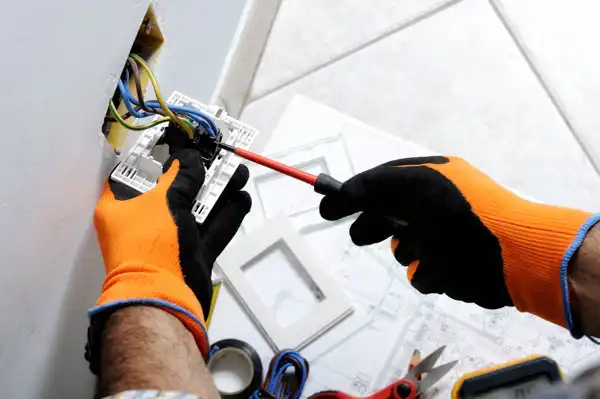
Drain issues sometimes reveal problems outside the drain line. A water heater installation or water heater repair may disturb sediment or change usage patterns. A remodel may reroute fixtures incorrectly. An Electrician may need to address power for a sewage ejector pump, grinder pump, or sump system. A Gas installation service may be on site during a commercial kitchen buildout, where plumbing, ventilation, and appliance layout all need coordination.
Mechanical systems also share spaces with plumbing. An Air conditioning contractor dealing with condensate drains may find algae, sludge, or improper slope causing water damage. An Air conditioning repair service may clear a condensate line that everyone first blamed on a roof leak. Air conditioning maintenance and an Air conditioning tune-up often include checking condensate drainage, because a clogged condensate line can shut down equipment or soak a ceiling tile. It is less glamorous than refrigerant diagnostics, but wet drywall is a persuasive teacher.
Heating systems can join the party too. A Heating contractor or Furnace repair service may encounter condensate drainage issues on high-efficiency furnaces. Heat pump installation can involve condensate management as well, depending on equipment type and location. Even a Lighting contractor may discover water intrusion near fixtures if a drain backup has traveled through walls or ceilings. Buildings do not respect trade boundaries. Water especially has poor manners.
For properties on septic, a Septic system service provider may need to evaluate the tank, drain field, filters, and lines when backups repeat. Drain cleaning can open a line, but if the septic tank is full, the effluent filter is clogged, or the drain field is saturated, the problem will return. A septic system is not a municipal sewer with a country accent. It is its own living process, and it needs care.
Signs that a drain problem deserves fast attention
Some clogs can wait until morning. Others should be treated like a raccoon in the break room, not necessarily catastrophic, but definitely not something to ignore.
Watch for patterns. A single slow sink is usually local. Multiple slow fixtures suggest a larger issue. Sewer odor, gurgling, and water backing up at the lowest drain in the building can point toward main line trouble. In commercial properties, any drain problem affecting food prep, public restrooms, tenant spaces, or electrical areas deserves prompt action.
Here is the short version of when to call a professional rather than negotiating with a plunger and your dignity:
- More than one fixture backs up or drains slowly.
- Water appears in a tub, shower, or floor drain when another fixture runs.
- The clog returns within days or weeks after clearing.
- Sewage odor appears indoors or near drains.
- The property has old pipes, large trees, or a septic system.
That list could be longer, but then it would become one of those doom scrolls that makes everyone suspicious of their laundry room. The bigger point is simple: repeated symptoms are data. Treat them like clues, not inconveniences.
What good drain cleaning service looks like
A professional drain cleaning visit should feel methodical, not theatrical. The technician should ask questions before dragging in equipment. Good questions include when the problem started, which fixtures are affected, whether anything unusual went down the drain, and whether this has happened before. In commercial spaces, they should ask about peak usage, grease trap service, tenant operations, and maintenance history.
Access matters. Cleanouts should be located and used when possible. Pulling a toilet may be necessary in some cases, but it is not always the first choice. Roof vent access can be risky and may not provide the best angle. Under-sink access works for some branch clogs but not main lines. The right entry point reduces mess, protects fixtures, and improves results.
After clearing the blockage, the technician should test the system with enough water to prove flow, not just declare victory when the cable spins freely. A kitchen line may need several minutes of hot water. A main line should be tested by running multiple fixtures or flushing toilets. In commercial settings, testing should reflect actual use. A drain that survives one sink basin may still fail during the lunch rush, when the building turns into a wet orchestra.
The best service also includes practical recommendations. That might mean installing or exposing a cleanout, scheduling hydrojetting, repairing a broken section, adjusting grease trap maintenance, or changing staff habits. Sometimes the recommendation is simply, “Stop putting that down the drain,” which is less elegant than an engineering report but often more useful.
Prevention that actually works, and a few habits that do not
Drain maintenance is not glamorous, but neither is mopping sewage at 11 p.m. Preventive habits work best when they are simple enough that real people will follow them. If the plan requires a laminated manual, a weekly meeting, and perfect human behavior, congratulations, you have designed fiction.
For households, strainers in showers and tubs catch hair before it becomes archaeology. Kitchen grease should go into a container and then into click here the trash once cooled. Garbage disposals should be used with plenty of cold water and reasonable food loads. Laundry lint management matters, especially in homes with heavy washing or older drain lines.
Chemical drain cleaners deserve caution. Some are harsh enough to damage finishes, traps, and older piping. They can also create hazards for the plumber who later opens the line. If a chemical sits behind a clog, the technician may be working around caustic liquid. That is not a fun surprise. Enzyme-based products may help with odor and light organic buildup in some situations, but they will not remove roots, heavy grease, collapsed pipe, or a plastic toy lodged in a toilet. The toy, in my experience, is unmoved by enzymes and reason.
Commercial properties need written routines, but they should be realistic. Staff turnover is high in many service businesses, and drains suffer when training is vague. “Do not dump grease in the sink” is good. Showing employees where grease goes, where solids screens are, and who handles trap maintenance is better. The drain does not care that the new guy started Tuesday.
A compact maintenance routine for busy kitchens and high-use properties might look like this:
- Empty solids baskets daily and replace missing screens immediately.
- Wipe grease from pans before washing.
- Keep a log of grease trap cleaning and drain service dates.
- Schedule hydrojetting based on history, not panic.
- Report gurgling, odors, and slow drains before backups occur.
That is not a glamorous program, but it keeps water moving. Glamour is overrated. Dry floors are underrated.
The cost question nobody wants to ask too late
Drain cleaning prices vary because the work varies. A simple sink stoppage is not the same as a main sewer blockage requiring heavy equipment, camera inspection, and after-hours service. Commercial jobs may involve access challenges, larger pipe diameters, roof or basement work, traffic control, sanitation requirements, or coordination with tenants.
After-hours emergencies cost more. That is not because plumbers become fancier after sunset. It is because staffing, travel, urgency, and disruption all change. For businesses, though, waiting can cost more than the service call. A closed restroom, flooded kitchen, or tenant complaint can quickly outweigh the difference between scheduled and emergency work.
The cheapest drain cleaning is sometimes the most expensive if it does not address the cause. If a line clogs every month and each visit only pokes it open, the property pays repeatedly while the pipe continues collecting buildup. At some point, camera inspection and hydrojetting may cost less than another season of guessing. If the pipe is damaged, repair may be unavoidable. Nobody likes that sentence, but pipes are physical objects, not loyalty programs.
Old pipes, new fixtures, and the mismatch problem
Modern fixtures use less water than older ones. That is usually good for water conservation, but it can expose flaws in old drainage systems. Some older pipes relied on higher water volume to carry waste through long, flat, rough, or partially scaled lines. When low-flow fixtures meet a poorly sloped drain, solids can linger. Linger is a polite word. The pipe is building a collection.
Commercial remodels create similar issues. A space designed for retail may become a cafe. A small office may become a salon. A warehouse may add restrooms, break rooms, or laundry equipment. If the drain system is not evaluated for the new use, problems may appear after opening. The plumbing may technically exist, but that does not mean it is ready for espresso grounds, hair color, mop water, and thirty employees.
Water heater installation, fixture upgrades, Water softener installation, and new appliance connections should all be considered in the context of the existing plumbing. Plumbing leak repair may reveal corrosion or poor previous work. Plumbing repiping may be the wiser long-term move when pipes are failing in several places. A good plumber should be able to explain the trade-off between repair and replacement without making it sound like a hostage negotiation.
Drain cleaning for property managers: documentation is your friend
Property managers live in a world of recurring problems, competing budgets, tenant expectations, and the occasional email written entirely in capital letters. Drain cleaning becomes easier to manage when service history is documented. Dates, affected fixtures, cable lengths, camera findings, photos, recommendations, and tenant notes all help identify patterns.
If one stack in an apartment building clogs repeatedly, that matters. If backups happen after heavy rain, that matters. If the same restaurant tenant has grease issues every quarter while similar tenants do not, that matters too. Documentation turns plumbing from folklore into evidence.
Cleanout access should also be part of property planning. Hidden, buried, painted-over, or inaccessible cleanouts waste time during emergencies. A cleanout behind a permanently installed cabinet is not really a cleanout. It is a secret. Secrets are charming in novels and irritating in plumbing.
For commercial leases, responsibilities should be clear. Tenant behavior can cause drain problems, but building infrastructure can also be at fault. A fair approach usually depends on documented cause. Camera inspection can help avoid arguments by showing whether the issue is grease, roots, pipe failure, foreign objects, or poor slope. Drains are not good at diplomacy, but cameras help.
When repair beats another cleaning
There comes a point when repeated drain cleaning stops being maintenance and becomes denial. If roots keep entering through broken joints, the line needs repair or replacement. If a pipe has a belly that holds waste and debris, cleaning may provide temporary relief but not correct the slope. If cast iron has heavy scaling and thinning walls, aggressive cleaning may buy time, but replacement may be approaching.
Repair options vary. Spot repairs can address a damaged section. Lining may work for certain pipes if conditions are right. Excavation may be necessary for collapsed, severely offset, or improperly pitched lines. Inside buildings, repairs may involve floors, walls, tenants, and schedules, which is why diagnosis matters before demolition begins.
The smartest repair is not always the biggest one. A single broken fitting near a cleanout may not justify replacing the whole system. On the other hand, repeatedly patching a failing line can become a slow-motion budget leak. Judgment comes from pipe condition, access, property use, future plans, and risk tolerance.
A homeowner planning to sell in six months may choose a different path than a restaurant owner signing a ten-year lease. A property manager with recurring tenant backups may value reliability over the lowest immediate cost. A busy household with one bathroom may need a faster, more durable fix than a vacation home with light use. Context matters. Pipes may be underground, but decisions should not be.
The humble cleanout deserves more respect
Cleanouts are the access points that allow plumbers to service drain lines without dismantling half the building. They are not decorative, though some people seem determined to hide them behind drywall, shelving, landscaping, concrete, or one very heavy freezer.
A properly placed cleanout saves time and reduces disruption. In a main line backup, exterior cleanout access can keep sewage work outside the home or business. In a commercial kitchen, accessible cleanouts allow maintenance without pulling equipment apart. In apartment buildings, stack cleanouts can help isolate problems by floor or line.
If your property has no accessible cleanouts, adding one may be one of the best plumbing upgrades available. It is not exciting like a new fixture or shiny appliance, but during an emergency it becomes the most beautiful fitting in the building. Plumbing beauty is practical. It wears threaded caps.
A word about odors, flies, and mystery moisture
Not every drain complaint is a blockage. Sewer odors can come from dry traps, damaged seals, venting problems, cracked pipes, biofilm, or floor drains that need cleaning. Drain flies often breed in organic buildup inside drains, especially in seldom-used fixtures, bars, commercial kitchens, and mop sinks. Cleaning the visible drain opening may help, but the slime layer often extends deeper.
Mystery moisture near mechanical equipment may involve condensate drains, not plumbing waste lines. Air conditioning repair often includes tracing water overflow from clogged condensate lines or failed drain pans. Air conditioning maintenance should catch many of these issues before ceiling stains appear. Heating equipment can produce condensate too, especially high-efficiency furnaces and certain heat pump systems. The water is not always coming from the pipe everyone suspects.
Water near electrical systems deserves immediate caution. If a drain backup affects outlets, panels, lighting, or equipment, an Electrician may need to inspect before power is restored. Water and electricity do not negotiate. They escalate.
Choosing the right drain cleaning partner
A good plumber brings more than equipment. They bring pattern recognition, restraint, and the willingness to say, “We should inspect this before doing anything more aggressive.” That restraint matters. Anyone can run a machine. Not everyone knows when the pipe is too fragile, when roots indicate a break, when hydrojetting is appropriate, or when a septic issue is outside the scope of simple drain cleaning.
For commercial properties, look for a company comfortable with scheduling, documentation, insurance requirements, and after-hours response. For busy households, look for clear communication, respect for the home, and honest guidance about prevention and repair. If the company also coordinates related services such as plumbing leak repair, water heater repair, plumbing repiping, or mechanical work, that can simplify larger projects.
Keywords on a service page are one thing. Competence in a wet basement at 7 a.m. Is another. The right professional explains what they found, what they did, what they recommend, and what happens if nothing changes. Bonus points if they can do it without making you feel foolish for owning drains, which, last I checked, is still legal.
Keep the water moving and the drama low
Drain cleaning is part emergency response, part maintenance, part detective work, and part behavioral counseling for humans who believe sinks are portals. Commercial properties and busy households put extra demand on plumbing systems, so small symptoms deserve attention before they become expensive stories.
A slow drain may only need a simple clearing. A recurring clog may need hydrojetting, camera inspection, repair, or changes in how the system is used. A main line backup may involve roots, grease, pipe damage, septic trouble, or all of the above, because plumbing occasionally enjoys teamwork.
The best approach is practical. Track problems. Maintain grease traps. Keep hair and solids out of drains. Avoid harsh chemicals as a first response. Make cleanouts accessible. Call a plumber when symptoms spread, repeat, or smell like trouble. If your building depends on drains to stay open, comfortable, sanitary, and sane, treat them like infrastructure, not background scenery.
Water should leave when asked. When it starts negotiating, bring in someone who speaks fluent pipe.
Name: Service Lion Plumbing Heating Air Electric
Address: 521 W Briardale Ave, Orange, CA 92865, United States
Phone: (657) 567-7305
Website: https://callservicelion.com/
Email: [email protected]
Hours:
Monday: Open 24 hours
Tuesday: Open 24 hours
Wednesday: Open 24 hours
Thursday: Open 24 hours
Friday: Open 24 hours
Saturday: Open 24 hours
Sunday: Open 24 hours
Open-location code: R48R+WV Orange, California, USA
Map/listing URL:
https://www.google.com/maps/search/?api=1&query=Google&query_place_id=ChIJQU4LBWHV3IARtnABtyykSA4
Google Map:
Socials:
https://www.facebook.com/ServiceLionCA/
https://www.youtube.com/channel/UCR_L35QzsRTxYZtX8PxJvPw
Local Service Information
Service Lion Plumbing Heating Air Electric provides plumbing, drain, heating, air conditioning, and electrical services from its Orange, California location.The company serves homeowners and properties throughout Orange and communities across Orange County and surrounding areas.
Available services include plumbing repairs, water heater work, drain and sewer services, heating and cooling service, electrical repairs, panels, lighting, outlets, and related home-system work.
Service is available for residential properties as well as light commercial needs described within the company's local service-area information.
The company's website emphasizes locally operated service, coordinated home-system support, and practical scheduling for plumbing, HVAC, and electrical needs.
The matching public business listing shows the Orange location as open 24 hours a day, seven days a week.
For service information or scheduling, call (657) 567-7305 or visit https://callservicelion.com/.
The public map listing identifies the business at 521 W Briardale Ave, Orange, CA 92865 and can be used for location and direction information.
Popular Questions About Service Lion Plumbing Heating Air Electric
What services does Service Lion Plumbing Heating Air Electric provide?
The company provides plumbing, drain and sewer, heating, air conditioning, and electrical services. Its published services include plumbing repair, water heaters, drain clearing, sewer work, HVAC repair and installation, electrical repairs, panels, circuit breakers, lighting, outlets, and related services.
Where is Service Lion Plumbing Heating Air Electric located?
The matching business location is 521 W Briardale Ave, Orange, CA 92865, United States.
What areas does Service Lion Plumbing Heating Air Electric serve?
The company serves Orange County and surrounding communities. Its published service-area information includes Orange, Anaheim, Brea, Yorba Linda, Fullerton, Huntington Beach, Newport Beach, Costa Mesa, Irvine, Lake Forest, and additional nearby cities.
Is Service Lion Plumbing Heating Air Electric open 24 hours?
The matching public business listing shows the location as open 24 hours on Monday through Sunday.
Does Service Lion Plumbing Heating Air Electric work on drains and sewer lines?
Yes. Published services include drain clearing, rooter service, camera inspection, hydro jetting, sewer line repair and installation, water line work, slab leak detection, and trenchless sewer line repair.
Does Service Lion Plumbing Heating Air Electric provide heating and air conditioning service?
Yes. Its published HVAC services include air conditioning repair and installation, heating service, furnace work, heat pumps, air ducts, indoor air quality assessments, and thermostat installation.
Does Service Lion Plumbing Heating Air Electric provide electrical service?
Yes. Published electrical services include repairs and installations, electrical panels, circuit breakers, safety inspections, lighting, outlets and switches, surge protection, generators, and EV charging equipment installation.
How can I contact Service Lion Plumbing Heating Air Electric?
Call (657) 567-7305.
Email: [email protected]
Website: https://callservicelion.com/
Facebook: https://www.facebook.com/ServiceLionCA/
Landmarks Near Orange, California
Old Towne Orange Historic District
A central historic district and useful geographic reference point for the Orange community.
Plaza Park
A well-known public gathering point in the center of Old Towne Orange.
Orange Public Library & History Center
A civic landmark serving residents near central Orange.
Hart Park
A major public park and recreation area south of central Orange.
Eisenhower Park
A public park serving neighborhoods in northern Orange.
Santiago Oaks Regional Park
A regional recreation and open-space landmark on the eastern side of Orange.
Irvine Regional Park
A large regional park and recognizable reference point east of the city.
Orange Park Acres
A distinctive residential community and service-area reference point in eastern Orange.
El Modena
An established Orange neighborhood that provides a practical local coverage reference.
Glassell Street
One of the city's principal north-south streets and a useful route through central Orange.
Lincoln Avenue
A major east-west roadway serving northern Orange and nearby communities.
State Route 55
A primary regional freeway connecting Orange with other parts of Orange County.