Furnace Repair Service and HVAC System Maintenance Topics
A furnace has a flair for drama. It never waits for a calm Tuesday afternoon to cough, rattle, and give up. It chooses the coldest morning of the season, preferably when someone in the house has just said, “At least the heat is working.” That is practically an invitation.
Furnace repair service and HVAC system maintenance sit in that not-very-glamorous corner of home comfort where practical skill matters more than shiny promises. Heating, ventilation, and air conditioning equipment is not a collection of magic boxes. It is a set of systems that move air, manage temperature, handle fuel or electricity, and depend on correct installation, service, and maintenance. When these systems are treated casually, they become expensive furniture with fans.
The work belongs to a serious trade. Plumbing, heating, and air-conditioning contractors handle specialized installation, service, repair, and maintenance. HVAC contractors focus on heating, ventilation, and air-conditioning equipment, and their work can overlap with plumbing and electrical tasks when those tasks are tied to heating and cooling systems. That overlap is why one service call can involve a heating contractor, an air conditioning contractor, a plumber, or an electrician depending on what the equipment is actually doing, or refusing to do.
A good technician does not walk in and “just add a part” like a game show contestant guessing vowels. They diagnose. They look at airflow, controls, equipment condition, installation quality, refrigerant charge where applicable, safety concerns, and the way the system behaves under load. A furnace repair service call is often about the furnace, yes, but the larger question is whether the entire HVAC system is being maintained well enough to avoid Plumber the next avoidable breakdown.
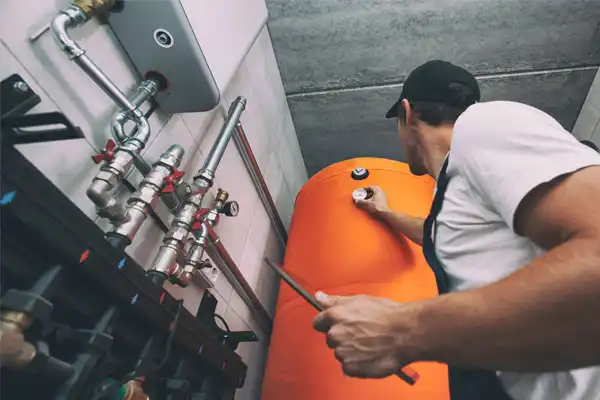
The furnace is not an island, no matter how independent it looks
People tend to think of the furnace as one appliance and the air conditioner as another, with plumbing and electrical work living in separate neighborhoods. In real homes and buildings, those lines blur. The heating system may depend on electrical controls. Air conditioning equipment may involve refrigerant handling, ductwork, drainage, and electrical components. A heat pump installation needs correct equipment sizing and proper refrigerant charging. Water heater installation and water heater repair can sit near the same utility areas as heating equipment. Plumbing leak repair may matter when condensate drains, water lines, or nearby piping cause damage around mechanical equipment.
This is why the phrase “HVAC system maintenance” deserves the word “system.” The system includes the equipment, the controls, the ducts or air distribution path, the installation details, and the maintenance habits that either protect the equipment or slowly antagonize it.
An experienced technician has seen plenty of furnaces blamed for problems caused elsewhere. A weak airflow complaint may start at the furnace but point toward a dirty filter, blocked return, poor duct condition, or an installation mismatch. A comfort complaint may not mean the furnace is undersized. It may mean the air distribution is poor, the thermostat location is unhelpful, or the equipment has not been maintained since flip phones had cultural influence.
The reverse is also true. A house can have clean filters and decent ducts while the furnace itself is still failing. Motors wear. Ignition systems age. Safety controls do their job and stop operation when something is wrong. The best repair work separates symptoms from causes. That is where the trade earns its keep.
What furnace repair service usually tries to answer
A furnace repair visit begins with a simple question hiding inside a more complicated one: why is the equipment not producing safe, reliable heat? The answer can be mechanical, electrical, control-related, airflow-related, installation-related, or some rude little combination of those.
Since electrical work is its own separate trade category, there are times when an electrician is the appropriate professional for a problem. HVAC contractors often work with electrical components associated with heating and cooling equipment, but a broader electrical defect may call for a licensed electrical specialist. That judgment matters. No one wants a furnace repair to turn into an amateur symposium on wires.
Gas equipment adds another layer of seriousness. Gas installation service belongs in the hands of qualified professionals because fuel systems are not a place for “I saw a video” confidence. If a furnace uses gas, the repair conversation must include safe operation, proper connection, and correct handling of the equipment. The funny noise may be funny. The fuel supply is not.
A furnace repair service also looks at whether the equipment is maintainable or whether it has been limping along on good manners and luck. Repair is often the right call. Replacement may be the right call when equipment condition, age, installation defects, or repeated failure make repair less sensible. There is no universal answer, and anyone who gives one before seeing the system is probably selling certainty by the pound.
Maintenance is not glamorous, which is why it works
Air conditioning maintenance and furnace maintenance have one thing in common: neither looks exciting when done on schedule. That is the point. The least dramatic service call is often the most valuable one.
Preventive maintenance gives a contractor the chance to find small issues before they become larger failures. It also gives the equipment a fighting chance to operate as intended. HVAC equipment is designed, installed, serviced, and repaired by specialized contractors for a reason. Correct setup and ongoing maintenance affect performance, energy use, comfort, and reliability.
For air conditioners and heat pumps, proper installation includes correct equipment sizing and refrigerant charging. That detail is not trivia. Proper refrigerant charging can reduce energy consumption and lower the risk of failure. Too little attention to sizing or charge can leave the system working harder than it should, which is a bit like asking a small dog to pull a moving truck. Admirable effort, poor plan.
An air conditioning tune-up should not be treated as a ceremonial sticker application. A meaningful visit checks operation, cleanliness, controls, drainage, and system behavior. It also pays attention to signs that installation or maintenance issues are pushing the equipment toward trouble.
For furnaces, maintenance is equally practical. The goal is not to admire the equipment. The goal is to confirm that the heating system can operate safely and reliably through the season, with attention to the components and conditions that affect performance.
The comfortable home is a team sport
A property owner may call one company and say, “My furnace is broken.” Fair enough. But the building may need more than a furnace repair service. Plumbing, heating, air conditioning, and electrical work intersect constantly around mechanical systems. OSHA classifies plumbing, heating, and air-conditioning as special trade contractor work, while electrical work is classified separately. That distinction reflects how broad, skilled, and specialized these services are.
A heating contractor might handle furnace repair and heating equipment installation. An air conditioning contractor may install and maintain cooling systems, perform air conditioning repair, and service related components. A plumber may address plumbing repair, plumbing leak repair, drain cleaning, rooter service, hydrojetting, sump pump service, water pump installation, or water heater repair. A septic system service provider handles another critical part of the property’s infrastructure. A lighting contractor or electrician may be needed when building electrical or lighting issues fall outside the HVAC scope.
This is not trade-name bingo. It matters because the wrong professional for the wrong task can waste time and money. It can also leave the actual problem untouched, sitting there with a tiny villain mustache.
Here is a concise way to think about who typically belongs in the conversation:
- Call a furnace repair service or heating contractor when heating equipment fails, cycles oddly, or will not maintain comfort.
- Call an air conditioning repair service or air conditioning contractor when cooling equipment, heat pumps, or related airflow and refrigerant issues need attention.
- Call a plumber for plumbing leak repair, water heater repair, drain cleaning, rooter service, hydrojetting, water softener installation, or plumbing repiping.
- Call an electrician or lighting contractor when the issue involves broader electrical systems, lighting, circuits, or service beyond HVAC equipment connections.
- Call a septic system service provider when wastewater handling, sewer-related issues, or septic components are the actual concern.
That list is tidy. Real life is not always tidy. A condensate drain can mimic a plumbing problem. An electrical fault can look like HVAC failure. A water heater issue can be mistaken for a heating complaint by someone using the phrase “the heat” to mean three different things before breakfast. Good contractors sort the mess without making the customer feel foolish for not speaking fluent mechanical room.
Air conditioning repair and the refrigerant reality
Cooling equipment has its own vocabulary, and some of it matters legally and technically. Under Section 608, appliances include air conditioners and other refrigeration equipment, and technicians involved in maintenance, service, repair, or installation may include installers and contractor employees. Refrigerant is not a decorative ingredient. It has to be handled by people who understand the rules and the equipment.
Air conditioning repair often gets oversimplified into “it needs more refrigerant.” Sometimes refrigerant charge is part of the issue. Sometimes it is not. And when refrigerant is involved, the important question is not merely whether the level is low, but why. A system does not use refrigerant like gasoline. If the charge is wrong, a technician needs to understand whether the problem comes from installation, service history, leakage, or another condition.
Proper charging of an air conditioner or heat pump can reduce energy consumption and lower failure risk. That is why a professional air conditioning tune-up has to be more than a quick glance and a thumbs-up. Correct refrigerant charge, correct equipment sizing, and proper installation all work together. If one is wrong, the other two may spend years trying to cover for it, badly.
Heat pump installation deserves special mention because heat pumps handle both heating and cooling duties. They can be excellent systems when properly selected, installed, and maintained. They can also be deeply unimpressed by sloppy sizing or rushed setup. With heat pumps, installation quality is not a luxury feature. It is the difference between comfort and a household debate club meeting in sweaters.
The quiet importance of ductwork, drainage, and the boring bits
The most overlooked parts of HVAC systems are often the least photogenic. Ducts, drains, filters, and access panels do not get applause. They do not have showroom sparkle. Still, they shape comfort every day.
Duct cleaning may be part of HVAC contractor services, depending on the contractor and the system needs. It is not a universal cure for every comfort complaint, but duct condition and cleanliness can matter, especially when airflow is poor or debris is part of the problem. The key is judgment. A contractor should explain why duct cleaning is recommended, not wave a flashlight into a vent like a campfire storyteller.
Drainage is another quiet troublemaker. Cooling equipment and some high-efficiency heating equipment can produce condensate that must drain properly. When drainage fails, homeowners may think they have a plumbing leak. Sometimes they do. Sometimes the HVAC system is sending water where water has no business going. That is when HVAC and plumbing knowledge overlap in useful ways.
Drain cleaning, rooter service, and hydrojetting live more squarely in plumbing territory, especially when the issue involves blocked drains or sewer lines. Still, a mechanical room does not care about trade boundaries. Water on the floor is water on the floor until someone competent figures out whether the source is plumbing, HVAC drainage, water heater failure, or something else entirely.
Water heaters, repiping, and why the mechanical room is always crowded
Many service businesses that handle HVAC also work closely around plumbing systems. That makes sense. The mechanical room, basement, garage, closet, or utility area often gathers the furnace, air handler, water heater, water softener, piping, electrical connections, and sometimes equipment that looks like it was placed by someone losing a bet.
Water heater repair and water heater installation require plumbing knowledge, and sometimes coordination with gas or electrical work depending on the type of equipment. Water softener installation may also affect the broader plumbing setup. Plumbing repiping becomes relevant when old or failing piping creates recurring leaks, poor flow, or reliability issues.
None of these jobs should be treated as isolated if they share space and systems. A plumbing leak repair near HVAC equipment can prevent damage to electrical controls or metal components. A water heater installation may require safe connections and sensible placement. A gas installation service must account for safety and applicable requirements. Mechanical systems live together. They should be serviced with at least a nodding acquaintance.
This is where experienced contractors stand apart from parts replacers. They notice when one system threatens another. They explain trade-offs. They tell a customer when a repair is straightforward and when the surrounding conditions make it less so. They also know when to bring in another trade rather than pretending every tool belt contains every license.
Installation quality follows the system for years
There is an old truth in heating and cooling work: a bad installation can make good equipment look guilty. The unit gets blamed, the brand gets cursed, and the real culprit sits behind the wall, in the duct layout, in the charge, in the sizing, or in the rushed setup from day one.
Proper HVAC installation includes correct equipment sizing. Bigger is not automatically better, though it remains a popular theory among people who also believe a louder blender makes a better smoothie. Oversized equipment can create comfort and operating problems. Undersized equipment may struggle to meet demand. The right size depends on the building and the job, not on vibes.
Proper refrigerant charging is equally important for air conditioners and heat pumps. The charge affects performance, energy use, and reliability. A system that starts its life with the wrong charge begins with a handicap. That does not mean every later problem traces back to installation, but installation quality sets the baseline.
A responsible HVAC contractor treats installation as a technical process, not an appliance drop-off. The work includes design judgment, equipment selection, setup, testing, and customer explanation. Maintenance then protects that investment. Repair restores it when parts fail or conditions change. All three belong to the same story.
When maintenance should be scheduled before the system starts sulking
Maintenance timing depends on the equipment and local conditions, but the broad principle is simple: service the system before peak demand. Waiting until the first cold snap for furnace attention or the first hot spell for air conditioning maintenance is like waiting until the wedding ceremony to try on the suit.
A heating system should be looked at before it has to carry the season. Cooling systems benefit from attention before they run hard. Heat pumps, because they can operate in both heating and cooling modes, deserve especially thoughtful maintenance. If a system works year-round, it does not get much of a vacation.
A practical maintenance visit should leave the customer with more than a receipt. It should produce a clear explanation of what was checked, what was found, what was corrected, and what may need future attention. Not every worn component demands immediate replacement. Not every observation is an emergency. But surprises are cheaper when discovered early, and much less likely to involve someone wearing a coat indoors.
A homeowner or facility manager can help by paying attention to changes. New noises, longer run times, weak airflow, odd smells, water near equipment, frequent cycling, and uneven comfort deserve notice. They do not always signal disaster. They do signal that the system has started communicating in its least charming dialect.
Repair or replace? The judgment call nobody should make in a parking lot
The repair-versus-replacement question is where experience matters and sales pressure causes mischief. A furnace repair service may be able to fix a failed component and restore normal operation. That can be the smartest, most economical move. On the other hand, if a system has repeated failures, poor installation, unsafe conditions, or broader performance issues, continued repair may become the expensive way to postpone reality.
The same logic applies to air conditioning repair, heat pump service, water heater repair, and even plumbing repiping decisions. A single leak may need a straightforward plumbing leak repair. Repeated failures across aging piping may point toward repiping. One drain blockage may call for drain cleaning or rooter service. More stubborn or severe line conditions may lead a plumber to consider hydrojetting where appropriate. The right answer depends on diagnosis, not habit.
A fair contractor explains options. Repair may be faster and less costly upfront. Replacement may improve reliability when the existing equipment or installation is a poor long-term bet. Maintenance may buy time if the system is fundamentally sound. No option is noble by default. The best choice balances safety, performance, cost, age, service history, and the customer’s plans for the property.
Beware of anyone who treats every issue as proof you need a new system. Also beware of anyone who keeps reviving equipment without mentioning that the patient has joined a jazz band of unusual noises. Honesty lives between panic and denial.
What a sensible service visit feels like
A professional service visit has a rhythm. The technician asks questions, inspects the equipment, tests operation, looks for the actual fault, and explains findings in plain language. The customer should not need a glossary and a minor in thermodynamics to understand what is happening.
The best contractors are not mysterious. They do not hide behind jargon. They can say, “This component failed,” but they can also explain why the failure matters, whether it is isolated, and what happens if the repair is delayed. They distinguish between safety concerns, performance concerns, and future recommendations. They document enough to be useful without turning the invoice into a novella.
A customer can make the visit smoother with a few simple details:
- Describe what changed, when it started, and whether the problem is constant or intermittent.
- Mention recent work, including air conditioning maintenance, plumbing repair, electrical work, water heater installation, or thermostat changes.
- Clear reasonable access to the furnace, air handler, outdoor unit, water heater, or panels.
- Share any unusual noises, smells, leaks, cycling patterns, or comfort complaints.
- Ask what should be watched after the repair or tune-up.
That short exchange can save time. Intermittent problems especially benefit from a good description. Equipment has a nasty habit of behaving perfectly the moment a technician arrives, much like a car that stops making the noise at the repair shop out of pure spite.
Why licensing boundaries and trade skill matter
Plumbing, heating, air-conditioning, and electrical work are not casual handyman categories. They are specialized trades. HVAC contractors install and maintain heating, ventilation, and air-conditioning equipment. Their services can include installation, maintenance, repairs, duct cleaning, and plumbing or electrical work associated with heating and cooling equipment. Electrical work, as a broader category, is separately classified. Refrigerant work falls under specific regulatory definitions when air conditioners and refrigeration equipment are serviced.
That is a lot of responsibility hiding behind a thermostat.
A furnace repair service has to understand heating equipment. An air conditioning repair service must understand cooling equipment, refrigerant handling, and system performance. A plumber must understand piping, drains, leaks, water heaters, water softeners, and related systems. An electrician must understand electrical infrastructure. A septic system service provider must understand wastewater systems. When each trade does its part, buildings become far less dramatic.
The worst service experiences often come from blurred boundaries handled badly. The best come from contractors who know both their capabilities and their limits. There is no shame in saying, “This needs an electrician,” or “That is a plumbing issue,” or “We need to check the HVAC drainage before assuming it is a pipe leak.” That is not weakness. That is competence wearing clean boots.
The small habits that keep systems from becoming expensive comedians
Most equipment failures feel sudden to the person standing in the hallway adjusting the thermostat. Some are sudden. Many are the final copper repiping scene in a slow play. Filters get ignored. Tune-ups get postponed. Small leaks go uninvestigated. Airflow complaints become part of the family folklore. Then the system quits, and everyone acts betrayed.
HVAC system maintenance is not about pampering machinery. It is about preserving comfort, reducing avoidable stress on equipment, and catching issues while they are still manageable. Air conditioning maintenance protects cooling performance. Furnace maintenance supports reliable heating. Air conditioning tune-up visits help identify problems before peak season. Plumbing maintenance and timely plumbing leak repair protect surrounding equipment and building materials. Drain cleaning and rooter service help keep wastewater moving where it belongs, which is away from your shoes.
The house does not need perfection. It needs attention. Mechanical systems are remarkably forgiving until they are not. Give them clean airflow, proper service, correct installation, and qualified repairs, and they tend to behave. Ignore them long enough, and they develop personalities.
The practical heart of furnace repair and HVAC maintenance
Furnace repair service is not just about restoring heat. It is about understanding how heating equipment fits into the larger HVAC system and the larger property. Air conditioning repair is not just about cold air. It is about correct sizing, refrigerant charge, controls, airflow, and installation quality. Plumbing work is not just about pipes. It affects water heaters, drains, leaks, and the mechanical spaces where HVAC equipment lives. Electrical work is not just about power. It is part of safe, functional operation when systems depend on controls and circuits.
A competent contractor sees the connections without turning every service call into a catastrophe. The furnace gets repaired if repair makes sense. The air conditioner gets tuned up before summer bullies it. The heat pump installation gets sized and charged properly. The water heater gets serviced or installed with care. The plumber handles leaks, drains, repiping, water softeners, and sewer-related work. The electrician handles broader electrical needs. The septic system service provider handles the septic system, because no one wants that plot twist handled casually.
Good maintenance is quiet. Good repair is precise. Good installation is almost invisible because the system simply works. That is the goal: fewer emergencies, better comfort, safer operation, and less time spent negotiating with a thermostat like it owes you money.
Name: Service Lion Plumbing Heating Air Electric
Address: 521 W Briardale Ave, Orange, CA 92865, United States
Phone: (657) 567-7305
Website: https://callservicelion.com/
Email: [email protected]
Hours:
Monday: Open 24 hours
Tuesday: Open 24 hours
Wednesday: Open 24 hours
Thursday: Open 24 hours
Friday: Open 24 hours
Saturday: Open 24 hours
Sunday: Open 24 hours
Open-location code: R48R+WV Orange, California, USA
Map/listing URL:
https://www.google.com/maps/search/?api=1&query=Google&query_place_id=ChIJQU4LBWHV3IARtnABtyykSA4
Google Map:
Socials:
https://www.facebook.com/ServiceLionCA/
https://www.youtube.com/channel/UCR_L35QzsRTxYZtX8PxJvPw
Local Service Information
Service Lion Plumbing Heating Air Electric provides plumbing, drain, heating, air conditioning, and electrical services from its Orange, California location.The company serves homeowners and properties throughout Orange and communities across Orange County and surrounding areas.
Available services include plumbing repairs, water heater work, drain and sewer services, heating and cooling service, electrical repairs, panels, lighting, outlets, and related home-system work.
Service is available for residential properties as well as light commercial needs described within the company's local service-area information.
The company's website emphasizes locally operated service, coordinated home-system support, and practical scheduling for plumbing, HVAC, and electrical needs.
The matching public business listing shows the Orange location as open 24 hours a day, seven days a week.
For service information or scheduling, call (657) 567-7305 or visit https://callservicelion.com/.
The public map listing identifies the business at 521 W Briardale Ave, Orange, CA 92865 and can be used for location and direction information.
Popular Questions About Service Lion Plumbing Heating Air Electric
What services does Service Lion Plumbing Heating Air Electric provide?
The company provides plumbing, drain and sewer, heating, air conditioning, and electrical services. Its published services include plumbing repair, water heaters, drain clearing, sewer work, HVAC repair and installation, electrical repairs, panels, circuit breakers, lighting, outlets, and related services.
Where is Service Lion Plumbing Heating Air Electric located?
The matching business location is 521 W Briardale Ave, Orange, CA 92865, United States.
What areas does Service Lion Plumbing Heating Air Electric serve?
The company serves Orange County and surrounding communities. Its published service-area information includes Orange, Anaheim, Brea, Yorba Linda, Fullerton, Huntington Beach, Newport Beach, Costa Mesa, Irvine, Lake Forest, and additional nearby cities.
Is Service Lion Plumbing Heating Air Electric open 24 hours?
The matching public business listing shows the location as open 24 hours on Monday through Sunday.
Does Service Lion Plumbing Heating Air Electric work on drains and sewer lines?
Yes. Published services include drain clearing, rooter service, camera inspection, hydro jetting, sewer line repair and installation, water line work, slab leak detection, and trenchless sewer line repair.
Does Service Lion Plumbing Heating Air Electric provide heating and air conditioning service?
Yes. Its published HVAC services include air conditioning repair and installation, heating service, furnace work, heat pumps, air ducts, indoor air quality assessments, and thermostat installation.
Does Service Lion Plumbing Heating Air Electric provide electrical service?
Yes. Published electrical services include repairs and installations, electrical panels, circuit breakers, safety inspections, lighting, outlets and switches, surge protection, generators, and EV charging equipment installation.
How can I contact Service Lion Plumbing Heating Air Electric?
Call (657) 567-7305.
Email: [email protected]
Website: https://callservicelion.com/
Facebook: https://www.facebook.com/ServiceLionCA/
Landmarks Near Orange, California
Old Towne Orange Historic District
A central historic district and useful geographic reference point for the Orange community.
Plaza Park
A well-known public gathering point in the center of Old Towne Orange.
Orange Public Library & History Center
A civic landmark serving residents near central Orange.
Hart Park
A major public park and recreation area south of central Orange.
Eisenhower Park
A public park serving neighborhoods in northern Orange.
Santiago Oaks Regional Park
A regional recreation and open-space landmark on the eastern side of Orange.
Irvine Regional Park
A large regional park and recognizable reference point east of the city.
Orange Park Acres
A distinctive residential community and service-area reference point in eastern Orange.
El Modena
An established Orange neighborhood that provides a practical local coverage reference.
Glassell Street
One of the city's principal north-south streets and a useful route through central Orange.
Lincoln Avenue
A major east-west roadway serving northern Orange and nearby communities.
State Route 55
A primary regional freeway connecting Orange with other parts of Orange County.