Heating Contractor Recommendations for Energy-Efficient Upgrades
A heating system has a remarkable talent for being ignored until it starts behaving like a raccoon in the ductwork. One week it is quietly pushing warm air through the house, the next it is short cycling at 2 a.m., blowing lukewarm air, or making the utility bill look like it was calculated by a casino.
Energy-efficient upgrades are not only about buying a shiny new furnace or installing a thermostat that thinks it went to graduate school. The smartest improvements usually come from understanding how the whole home works: heat loss, airflow, duct condition, fuel type, electrical capacity, humidity, water heating, insulation, and even the plumbing and drain systems hiding behind walls and under floors. A good heating contractor does not just sell equipment. A good heating contractor asks annoying questions, measures things, and saves you from spending thousands on the wrong fix.
I have walked into plenty of houses where the homeowner was ready to replace the furnace, only to find the real villain was a disconnected return duct in the crawl space. I have also seen people nurse along a 25-year-old gas furnace with annual furnace repair service bills that could have bought them a far better system two winters earlier. Efficiency is not one decision. It is a chain of decisions, and every weak link charges interest.
The upgrade that pays first: reduce the load before replacing the machine
The cheapest heat is the heat your home does not lose.
That sounds like something embroidered on a pillow at an energy auditor convention, but it is true. Before you ask a heating contractor to quote new equipment, ask what can be done to reduce the heating load. Many older homes leak air through attic hatches, rim joists, recessed lights, plumbing penetrations, and gaps around old windows. The furnace or heat pump then works overtime, not because it is weak, but because the house is wearing a sweater made of screen door.
Air sealing is often less glamorous than equipment replacement, which is why it is so frequently skipped. Nobody invites neighbors over to admire caulked top plates. Still, sealing the attic plane and adding insulation can trim heating demand meaningfully, especially in homes built before modern energy codes. In cold climates, attic insulation targets commonly land around R-49 to R-60, depending on local code and climate zone. In milder areas, the target may be lower, but the principle stays the same: keep paid-for warmth where humans live, not where squirrels hold committee meetings.
Duct leakage deserves the same suspicion. Forced-air systems depend on ducts that are properly sized, sealed, and insulated. If supply ducts run through an attic or crawl space and leak 15 to 30 percent of conditioned air, a high-efficiency furnace becomes a very expensive attic heater. I have seen beautiful new equipment attached to ductwork that looked like it had been assembled during a minor earthquake. Mastic sealing, proper duct supports, and fixing crushed flex duct can improve comfort immediately.
This is why the best heating contractor recommendations often start with boring work. Boring work pays. Boring work does not require a firmware update.
Furnace efficiency: when repair stops making sense
Furnaces are rated by annual fuel utilization efficiency, usually called AFUE. A 95 percent AFUE gas furnace converts about 95 percent of its fuel into usable heat under test conditions. Older natural draft furnaces may sit around 60 to 80 percent AFUE, depending on age and condition. That gap matters, but it does not automatically mean replacement is the best first move.
A furnace repair service call can be the right choice if the system is relatively young, properly sized, and the repair is minor. Flame sensors, ignitors, pressure switches, inducer motors, and blower capacitors all fail eventually. Replacing a modest part on a 10-year-old system often makes more sense than rushing into a full replacement.
The conversation changes when the heat exchanger is cracked, corrosion is advanced, the system is oversized, or repairs keep piling up like unread emails. Oversized furnaces are particularly common. They heat the house quickly, shut off quickly, and repeat the cycle all day. That sounds efficient until you notice the cold rooms, noisy airflow, and stressed components. Short cycling wastes energy and wears parts faster. It also gives the air less time to mix, which is why one bedroom feels like a bakery and another feels like a root cellar.
If you are replacing a furnace, ask for a proper load calculation rather than a like-for-like swap. “The old one was 100,000 BTU, so the new one should be 100,000 BTU” is not engineering. It is tradition wearing a tool belt. A Manual J load calculation accounts for square footage, insulation, windows, orientation, air leakage, and climate. Many homes can move to smaller equipment after air sealing or insulation upgrades, which improves comfort and efficiency.
A two-stage or modulating gas furnace can also help. Instead of blasting at full fire every time, it runs longer at lower output, which can reduce temperature swings and improve comfort. Pair that with a variable-speed blower, and the home often feels quieter and more even. The equipment costs more upfront, but in homes with comfort complaints, it may solve problems that a basic single-stage unit cannot.
Heat pump installation: no longer just a mild-climate trick
Heat pumps have become the star of many energy-efficiency conversations, and for once the hype has some muscle behind it. Modern cold-climate heat pumps can operate effectively at temperatures that would have embarrassed older models. They move heat rather than create it directly, which allows them to deliver more heat energy than the electrical energy they consume. Under favorable conditions, a heat pump can provide two to four units of heat for each unit of electricity.
That does not mean every home should rip out the furnace tomorrow. Local electric rates, gas prices, climate, duct condition, insulation, and backup heat strategy all matter. In a region with low-cost natural gas and very cold winters, a dual-fuel setup may be the most practical option. The heat pump handles mild and moderately cold weather, then a gas furnace takes over when temperatures drop below the economic balance point. In areas with cleaner grids, high gas prices, or strong rebates, full electrification may be attractive.
Ducted heat pump installation works well when existing ductwork is sound and properly sized. Ductless mini-splits shine in additions, bonus rooms, older homes without ducts, garages converted into offices, and rooms that never seem to match the thermostat. A mini-split in a troublesome upstairs bedroom can save a family from freezing downstairs just to make the upstairs tolerable.
Still, heat pumps need careful design. Cold-climate performance varies by model. The outdoor unit must be placed where it can drain defrost water and breathe freely. Snow, leaves, fences, and overgrown shrubs can strangle efficiency. Indoor airflow matters too. A heat pump is not fond of filthy filters, undersized returns, or ductwork that was apparently designed by someone angry at air.
A qualified heating contractor should discuss the heating seasonal performance factor, commonly listed as HSPF or HSPF2, along with SEER2 for cooling efficiency. They should also explain expected performance in your climate, not wave at a brochure and declare victory.
The thermostat is not the brain if the body is limping
Smart thermostats are useful. They can also become decorative rectangles that send smug reports about a system that was installed badly.
A programmable or learning thermostat can reduce energy use when schedules are predictable. Lowering the setpoint during sleep or work hours helps most gas furnace systems, provided recovery does not take forever. Heat pumps are more nuanced. Large temperature setbacks can trigger backup electric resistance heat, which is about as subtle on the electric bill as a marching band in a library. Many heat pump homes do better with smaller setbacks or adaptive recovery settings.
Thermostat location matters more than people think. If it sits near a sunny window, exterior door, fireplace, supply register, or kitchen, it lies. Not maliciously, of course. It simply reports the temperature of a bad location, then the system obeys bad information. I once saw a thermostat installed on the wall behind a refrigerator. The furnace never stood a chance.
Before spending money on advanced controls, confirm the basics: the thermostat is correctly wired, compatible with the equipment, placed in a representative area, and configured for the system type. A good electrician or HVAC technician can often solve strange control problems quickly, especially when older wiring lacks a common wire or when multiple stages are not properly connected.
Air conditioning upgrades help heating too
Heating and cooling are not separate kingdoms. They share ducts, blowers, filters, thermostats, electrical circuits, and household complaints. An air conditioning contractor who understands the whole system can often identify heating improvements during cooling work, and the reverse is true for a heating contractor.
Air conditioning maintenance, for example, keeps coils clean, verifies refrigerant charge, checks airflow, and tests electrical components. Poor airflow during cooling season may point to the same duct restrictions that hurt heating performance in winter. A neglected evaporator coil can reduce comfort year-round if it restricts airflow. Dirty blower wheels are another quiet thief. They do not look dramatic, but they can reduce air movement enough to make rooms uncomfortable and equipment less efficient.
An annual air conditioning tune-up is not magic, but it is useful when done thoroughly. The technician should measure temperature split, inspect capacitors and contactors, clean the outdoor coil when needed, verify drain operation, and check static pressure if airflow problems are suspected. The same visit may reveal whether the system is nearing the point where air conditioning repair is no longer economical.
If you are replacing both heating and cooling equipment, coordination matters. A new furnace paired with an old air conditioner may need coil compatibility checks. A new heat pump must match the indoor coil and air handler. A rushed mix-and-match job can reduce efficiency, void warranties, or create service headaches later. The equipment should act like a team, not roommates who label their food in the fridge.
Water heating is part of the energy conversation
Space heating gets the attention, but water heating usually ranks among the larger energy uses in a home. Showers, laundry, dishwashing, and that one family member who treats hot water like a constitutional right all add up.
Water heater repair can extend the life of a system if the issue is a failed element, thermostat, gas valve, thermocouple, expansion tank, or relief valve. But aging tanks with corrosion, repeated leaks, or heavy sediment deserve a harder look. If the tank is over 10 years old and repair costs are climbing, water heater installation may be the smarter money.
High-efficiency options include condensing gas water heaters, heat pump water heaters, and tankless systems. Each has trade-offs. Condensing gas models can be efficient but need proper venting and condensate handling. Heat pump water heaters use electricity efficiently by pulling heat from surrounding air, which makes them excellent in basements or garages in many climates. They also cool and dehumidify the space around them, which can be a perk or a nuisance depending on location. Tankless units save standby losses and provide long hot-water runs, but they require correct gas sizing, venting, water quality management, and realistic expectations about flow rate.
Water quality matters. Hard water can shorten equipment life and reduce efficiency. Water softener installation may protect water heaters, fixtures, and appliances in areas with significant hardness. It is not a universal requirement, but if you have scale on faucets, noisy water heating, or repeated valve issues, a plumber should test hardness before you blame the appliance.
Plumbing problems that quietly sabotage efficiency
A heating contractor may not be the first person you call for plumbing leak repair, drain cleaning, rooter service, or hydrojetting. Fair enough. We generally prefer not to carry snakes unless absolutely necessary, and even then, only the plumbing kind. But plumbing and heating systems overlap more than homeowners expect.
A leaking hot water line wastes both water and energy. Even a small leak under a slab or in a crawl space can force the water heater to run more often. If the leak is on a recirculation line, the energy loss can be surprisingly high. Plumbing repiping may be worth considering in older homes with repeated pinhole leaks, galvanized steel restrictions, or failing polybutylene piping. It is not a small project, but neither is repairing drywall every spring like it is a family tradition.
Drain problems can also affect mechanical rooms. A backed-up condensate line from a high-efficiency furnace, air conditioner, or heat pump can shut equipment down or cause water damage. Floor drains near water heaters and HVAC equipment should actually drain, which sounds obvious until you meet enough mechanical rooms. When drains clog repeatedly, a plumber may recommend rooter service or hydrojetting, depending on the pipe condition and blockage type. Hydrojetting can clear grease, sludge, and roots effectively, but fragile old pipes need inspection first. A camera inspection is cheap compared with turning a weak sewer line into modern art.
Septic system service enters the conversation when condensate, softener discharge, or household water use affects a septic system. Local rules vary, and not every discharge belongs in every system. If your home uses septic, coordinate upgrades carefully. Efficiency should not come at the cost of upsetting the underground ecosystem that bravely handles the household’s least glamorous business.
Electrical capacity: the unsung gatekeeper
Electrification sounds simple until someone opens the electrical panel and whistles through their teeth.
Heat pump installation, heat pump water heaters, induction ranges, EV chargers, and backup electric heat may require panel capacity, new circuits, load calculations, or service upgrades. An electrician should evaluate the home before major electrified upgrades. Sometimes the panel has plenty of room. Sometimes it contains enough mystery breakers to qualify as folklore.
Not every project requires a full panel replacement. Load management devices, circuit sharing equipment, or choosing lower-amperage appliances can sometimes avoid costly service upgrades. But do not guess. Heating equipment draws serious power, and improper wiring is not a quirky homeowner shortcut. It is a fire hazard with paperwork.
Electrical details also affect comfort. Variable-speed blowers, communicating thermostats, outdoor sensors, condensate pumps, and smart zoning panels all need correct wiring. I have seen high-end systems behave terribly because one low-voltage connection was wrong. Expensive equipment does not forgive sloppy installation. It just fails in a more sophisticated accent.
Lighting contractor work can also fit into energy planning, especially during larger remodels. LED retrofits, occupancy sensors, better exterior lighting controls, and attic-safe recessed light upgrades reduce electrical use and may improve air sealing. Old recessed cans that leak air into the attic are common offenders. Replacing or sealing them properly can help both comfort and safety, particularly when insulation is being added.
Gas installation service and combustion safety
Gas equipment must be treated with respect. Not fear, not superstition, respect. A gas installation service should verify pipe sizing, shutoff valves, sediment traps where required, venting, combustion air, clearances, and appliance input. When multiple gas appliances run at once, the system still needs enough fuel pressure and volume.
High-efficiency condensing furnaces and water heaters use sealed combustion and plastic venting in many applications, but installation rules are specific. Vent length, slope, termination location, intake separation, and condensate disposal all matter. A vent termination buried in snow or placed where exhaust recirculates into the intake can cause shutdowns, corrosion, or unsafe operation.
Combustion analysis is one of the dividing lines between a technician who is guessing and one who is measuring. On gas furnaces and boilers, proper testing can verify carbon monoxide levels, oxygen, stack temperature, draft, and efficiency indicators. Carbon monoxide alarms belong in the home, but they are the last line of defense, not the commissioning procedure.
If a contractor shrugs off combustion safety, keep shopping. There is witty, and then there is reckless. Gas work is not the place for interpretive dance.
The short list of upgrades I recommend most often
Some improvements show up again and again because they solve real problems without requiring the homeowner to remortgage the dog. The right order depends on the house, but these are frequent winners:
- Air sealing and attic insulation before major equipment upsizing or replacement
- Duct sealing, duct insulation, and return-air fixes for forced-air systems
- Proper load calculation before furnace, air conditioner, or heat pump replacement
- Smart thermostat setup matched to the actual equipment, especially heat pumps
- Water heater evaluation when energy bills stay high despite HVAC improvements
That is the only kind of shortlist worth trusting: not a universal prescription, but a set of suspects to investigate.
Rebates, tax credits, and the fine print goblin
Efficiency incentives can make upgrades more affordable, but the details change by location, utility, equipment rating, income qualification, and installation date. Federal tax credits, state programs, utility rebates, and manufacturer promotions may overlap, but they often have specific requirements. A qualifying heat pump, for example, may need to meet certain efficiency ratings. A rebate may require installation by a participating contractor. Documentation may need AHRI certificates, invoices, model numbers, and proof of permit.
Do not choose equipment only because of a rebate. A rebate on the wrong system is just a coupon for regret. The equipment still needs to fit the home, the climate, and the family’s habits. If a contractor leads with “this one has the biggest rebate” before asking about comfort problems, ductwork, fuel bills, and electrical capacity, you may be watching a sales pitch wearing a service uniform.
Permits matter too. Homeowners sometimes view permits as bureaucratic confetti, but inspections can catch venting mistakes, electrical issues, gas piping problems, and code violations. A permitted job also creates a record that can help during resale. Buyers get twitchy when expensive mechanical work appears to have been done by someone named “my cousin knows a guy.”
How to judge a contractor without becoming one
You do not need to memorize refrigerant tables or own a manometer to choose a good contractor. You do need to listen for whether the person is diagnosing or simply quoting.
A solid heating contractor, air conditioning contractor, plumber, or electrician should be willing to explain options in plain language. Not baby talk. Not jargon fog. Plain language. They should ask about comfort, bills, repair history, allergies, noise, rooms that run hot or cold, and future plans such as additions, solar, or EV charging. They should inspect the existing installation rather than bidding from the driveway with the confidence of a carnival fortune teller.
Here is a compact contractor filter that has saved more than one homeowner from an expensive mess:
- Ask whether they perform or arrange a load calculation for replacements
- Ask what permits are required and whether they handle them
- Ask how they verify airflow, refrigerant charge, combustion, or electrical load after installation
- Ask for equipment model numbers, efficiency ratings, warranty terms, and scope in writing
- Ask what problems could remain after the upgrade, because honest contractors know houses have plot twists
The last question is my favorite. A contractor who admits trade-offs is usually more trustworthy than one promising perfect comfort, tiny bills, and eternal happiness by Thursday.
When maintenance is the best upgrade
Maintenance rarely gets applause, but it often delivers the best return. Air conditioning maintenance, furnace tune-ups, filter replacement, blower cleaning, coil cleaning, condensate drain clearing, and safety checks keep systems from drifting into wasteful operation. A neglected system can lose efficiency slowly enough that homeowners adapt to discomfort and higher bills without noticing.
Filters deserve special mention because they are both simple and widely misunderstood. A filter must protect equipment and maintain airflow. High-MERV filters can improve indoor air quality, but if the system lacks enough return capacity, a restrictive filter can choke airflow. That can cause overheating in heating mode, coil freezing in cooling mode, or poor comfort year-round. If you want better filtration, ask whether the system can support a deeper media cabinet. A four-inch media filter often provides better filtration with less pressure drop than a restrictive one-inch filter.
Outdoor heat pump and air conditioning units need clearance. Keep leaves, grass clippings, snow, and shrubs away from the coil. Do not build a cute little fence tight around the unit unless you enjoy paying equipment to gasp. Indoor vents should remain open and unobstructed. Closing registers in unused rooms may sound thrifty, but it can increase duct pressure and reduce efficiency, especially in modern systems.
Maintenance also creates a service history. That matters when deciding whether to repair or replace. A well-maintained 14-year-old furnace with a minor ignitor failure is a different story from a neglected 14-year-old furnace with rust, flame rollout, blower problems, and a heat exchanger that looks like it spent summers at sea.
Comfort upgrades that do not show up neatly on a utility bill
Some energy-efficient upgrades are easy to calculate. Others improve comfort, noise, humidity, and control. Those benefits matter even when the payback math looks modest.
Zoning can help in homes with distinct areas, such as a two-story house with large solar gain upstairs or a finished basement that stays cool. But zoning is not a bandage for bad ductwork. Motorized dampers need compatible equipment, bypass strategy if required, and careful design. Slapping dampers onto undersized ducts can make static pressure worse. Zoning done well feels luxurious. Zoning done badly sounds like the house is inhaling through a coffee straw.
Humidity control also affects perceived comfort. In winter, very dry air makes occupants feel colder, which leads to higher thermostat settings. Whole-home humidifiers can help in some climates, but they require maintenance and correct setup. Too much humidity can create window condensation, mold risk, and building damage. In summer, good air conditioning sizing matters because oversized systems cool quickly without dehumidifying well. That leaves the home clammy, which is a terrible word and an even worse feeling.
Ventilation deserves attention in tighter homes. Once air sealing improves, controlled ventilation may be needed to maintain indoor air quality. Energy recovery ventilators and heat recovery ventilators can bring in fresh air while reducing energy loss. They are not required in every retrofit, but they should be discussed when a home becomes significantly tighter.
The right sequence for a sensible upgrade plan
A practical energy plan starts with evidence. Collect utility bills for a year if possible. Note comfort problems by room and season. Track equipment age, repair history, filter size, and fuel type. Then bring in the right trades.
A heating contractor can evaluate furnaces, boilers, heat pumps, ducts, controls, and combustion safety. An air conditioning repair service can assess cooling performance and refrigerant-side issues. A plumber can inspect water heaters, leaks, water pressure, softeners, and drains. An electrician can check panel capacity, grounding, circuits, and upgrade options. If the home has sewer or septic concerns, septic system service and drain specialists may need a seat at the table too. It sounds like a crowded dinner party, but at least everyone brings tools.
The sequence often looks like this in practice: fix safety problems first, address building shell and duct losses next, repair water or drainage issues that threaten equipment, then right-size and replace mechanical systems. Controls and monitoring come after the fundamentals are sound. This order prevents the classic mistake of buying a larger system to overcome problems that should have been repaired.
For example, consider a 1970s ranch with a 25-year-old furnace, leaky crawl-space ducts, R-19 attic insulation, a tired water heater, and a 100-amp electrical panel. Replacing the furnace with another big gas unit might improve reliability but leave high bills and cold floors. A better plan might include duct sealing, attic insulation, a load calculation, a smaller two-stage furnace or dual-fuel heat pump, and a water heater strategy based on gas and electric costs. If the homeowner wants future electrification, the electrician’s panel assessment becomes part of the plan early, not after the new equipment arrives and everyone starts staring at breakers like they are tea leaves.
The upgrade nobody regrets: documentation
https://www.home8.org/CA/Orange/Service-Lion-Plumbing-Heating-Air-Electric/Keep records. Not in a shoebox guarded by spiders, if possible. Save manuals, model and serial numbers, installation dates, permits, rebate documents, warranty registrations, maintenance invoices, and load calculations. Photograph equipment labels before they fade. Write down filter sizes and replacement dates.
Documentation helps future technicians diagnose problems faster. It supports warranty claims. It helps you compare energy use before and after upgrades. It also prevents the classic homeowner mystery: “I think the water heater is from 2016, unless that was the dishwasher, or possibly the cat.”
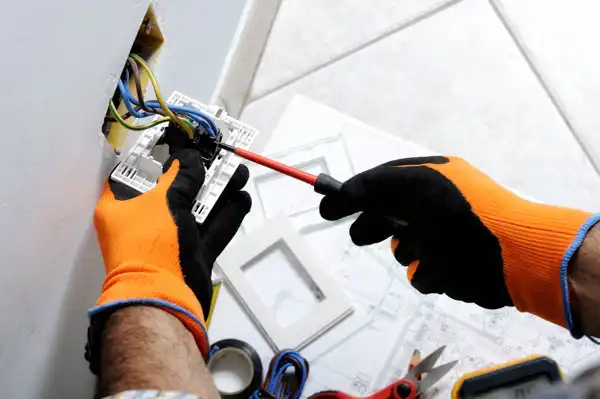
For landlords and property managers, documentation is even more valuable. Maintenance schedules reduce emergency calls, and emergency calls are where budgets go to develop dramatic personalities.
What energy-efficient really means
Energy-efficient upgrades should lower waste, improve comfort, protect safety, and make the home easier to live in. Sometimes that means a high-efficiency furnace. Sometimes it means heat pump installation. Sometimes it means hiring a plumber for plumbing leak repair before blaming the HVAC system. Sometimes it means drain cleaning so condensate has somewhere to go besides the mechanical room floor. Sometimes it means calling an electrician because the panel is full and hope is not a load calculation.
The best recommendations are specific to the house. They consider climate, fuel costs, existing equipment, ductwork, insulation, water heating, electrical capacity, maintenance habits, and the people living there. A retired couple home all day has a different comfort profile from a family that leaves at 7 a.m. And returns at 6 p.m. A drafty farmhouse, a tight townhouse, and a slab-on-grade ranch do not need the same prescription.
Good contractors know this. They do not treat every basement like a showroom or every homeowner like a walking rebate form. They measure, test, explain, and prioritize. They also know when to bring in another trade. The best heating contractor is not threatened by a good plumber, air conditioning contractor, electrician, lighting contractor, septic system service, or gas installation service. Efficient homes are built by coordination, not ego.
A warm house should not require a heroic utility bill. With the right plan, the right equipment, and the right people, comfort can become quieter, cleaner, and cheaper to maintain. Your furnace does not need to be dramatic. Your heat pump does not need to be mysterious. Your ducts do not need to heat the crawl space. And your thermostat, bless its little glowing face, should finally get honest information from a house that is doing its part.
Name: Service Lion Plumbing Heating Air Electric
Address: 521 W Briardale Ave, Orange, CA 92865, United States
Phone: (657) 567-7305
Website: https://callservicelion.com/
Email: [email protected]
Hours:
Monday: Open 24 hours
Tuesday: Open 24 hours
Wednesday: Open 24 hours
Thursday: Open 24 hours
Friday: Open 24 hours
Saturday: Open 24 hours
Sunday: Open 24 hours
Open-location code: R48R+WV Orange, California, USA
Map/listing URL:
https://www.google.com/maps/search/?api=1&query=Google&query_place_id=ChIJQU4LBWHV3IARtnABtyykSA4
Google Map:
Socials:
https://www.facebook.com/ServiceLionCA/
https://www.youtube.com/channel/UCR_L35QzsRTxYZtX8PxJvPw
Local Service Information
Service Lion Plumbing Heating Air Electric provides plumbing, drain, heating, air conditioning, and electrical services from its Orange, California location.The company serves homeowners and properties throughout Orange and communities across Orange County and surrounding areas.
Available services include plumbing repairs, water heater work, drain and sewer services, heating and cooling service, electrical repairs, panels, lighting, outlets, and related home-system work.
Service is available for residential properties as well as light commercial needs described within the company's local service-area information.
The company's website emphasizes locally operated service, coordinated home-system support, and practical scheduling for plumbing, HVAC, and electrical needs.
The matching public business listing shows the Orange location as open 24 hours a day, seven days a week.
For service information or scheduling, call (657) 567-7305 or visit https://callservicelion.com/.
The public map listing identifies the business at 521 W Briardale Ave, Orange, CA 92865 and can be used for location and direction information.
Popular Questions About Service Lion Plumbing Heating Air Electric
What services does Service Lion Plumbing Heating Air Electric provide?
The company provides plumbing, drain and sewer, heating, air conditioning, and electrical services. Its published services include plumbing repair, water heaters, drain clearing, sewer work, HVAC repair and installation, electrical repairs, panels, circuit breakers, lighting, outlets, and related services.
Where is Service Lion Plumbing Heating Air Electric located?
The matching business location is 521 W Briardale Ave, Orange, CA 92865, United States.
What areas does Service Lion Plumbing Heating Air Electric serve?
The company serves Orange County and surrounding communities. Its published service-area information includes Orange, Anaheim, Brea, Yorba Linda, Fullerton, Huntington Beach, Newport Beach, Costa Mesa, Irvine, Lake Forest, and additional nearby cities.
Is Service Lion Plumbing Heating Air Electric open 24 hours?
The matching public business listing shows the location as open 24 hours on Monday through Sunday.
Does Service Lion Plumbing Heating Air Electric work on drains and sewer lines?
Yes. Published services include drain clearing, rooter service, camera inspection, hydro jetting, sewer line repair and installation, water line work, slab leak detection, and trenchless sewer line repair.
Does Service Lion Plumbing Heating Air Electric provide heating and air conditioning service?
Yes. Its published HVAC services include air conditioning repair and installation, heating service, furnace work, heat pumps, air ducts, indoor air quality assessments, and thermostat installation.
Does Service Lion Plumbing Heating Air Electric provide electrical service?
Yes. Published electrical services include repairs and installations, electrical panels, circuit breakers, safety inspections, lighting, outlets and switches, surge protection, generators, and EV charging equipment installation.
How can I contact Service Lion Plumbing Heating Air Electric?
Call (657) 567-7305.
Email: [email protected]
Website: https://callservicelion.com/
Facebook: https://www.facebook.com/ServiceLionCA/
Landmarks Near Orange, California
Old Towne Orange Historic District
A central historic district and useful geographic reference point for the Orange community.
Plaza Park
A well-known public gathering point in the center of Old Towne Orange.
Orange Public Library & History Center
A civic landmark serving residents near central Orange.
Hart Park
A major public park and recreation area south of central Orange.
Eisenhower Park
A public park serving neighborhoods in northern Orange.
Santiago Oaks Regional Park
A regional recreation and open-space landmark on the eastern side of Orange.
Irvine Regional Park
A large regional park and recognizable reference point east of the city.
Orange Park Acres
A distinctive residential community and service-area reference point in eastern Orange.
El Modena
An established Orange neighborhood that provides a practical local coverage reference.
Glassell Street
One of the city's principal north-south streets and a useful route through central Orange.
Lincoln Avenue
A major east-west roadway serving northern Orange and nearby communities.
State Route 55
A primary regional freeway connecting Orange with other parts of Orange County.