Plumbing Leak Repair and Repiping Considerations
A plumbing leak has a nasty sense of timing. It waits until the guests arrive, the laundry is halfway done, or the water heater has just decided to contribute its own subplot. Then it makes itself known with a stain on the ceiling, a warm patch underfoot, a hissing sound behind the wall, or the unmistakable little indoor creek nobody requested.
Plumbing leak repair can be simple. It can also be the first chapter in a larger story called plumbing repiping, starring old pipe, questionable past repairs, mineral buildup, and one very tired shutoff valve. The trick is knowing which story you are in before you start opening walls like a raccoon with a license.
For homeowners and property managers, the biggest mistake is treating every leak Plumber as either a tiny nuisance or a total disaster. Most fall somewhere between those extremes. A good Plumber earns their keep by finding the leak, understanding why it happened, and helping decide whether a targeted repair will hold or whether the piping system is waving a little white flag.
The leak is not always where the water appears
Water is a sneaky little intern. It travels, finds seams, follows framing, runs down pipes, and shows up in places that make the original leak look innocent. A ceiling stain under an upstairs bathroom may come from a drain, a supply line, a tub overflow, a toilet seal, or a shower valve. A puddle near a water heater may come from the heater, the relief valve discharge line, nearby piping, condensation from adjacent equipment, or an unrelated leak taking a scenic route.
That is why leak repair starts with diagnosis, not demolition. Yes, sometimes the source is obvious. A cracked supply line spraying under a sink does not require a mystery soundtrack. Other times, the plumber has to work through the system carefully, checking fixtures, valves, drains, visible pipe, and any mechanical equipment tied into plumbing.
Plumbing, heating, and air-conditioning work often overlap in the real world. Contractors in this trade may deal with plumbing repair, sewer hookups, sump pumps, furnace repair, air-conditioning work, heating equipment installation, and water pump installation. That matters because water problems are not always “just plumbing” in the way people imagine. A water heater issue, a condensate drain from cooling equipment, a humidifier connected to a furnace, or piping near a heating system can all complicate the picture.
A homeowner sees water. A technician sees systems shaking hands behind the drywall.
When a small repair makes sense
A focused plumbing leak repair is often the right answer when the pipe and surrounding system are otherwise in decent condition. A failed fitting, loose connection, worn valve, damaged supply line, or isolated section of pipe can often be corrected without turning the home into a construction documentary.
The best repairs are not theatrical. They are clean, accessible when possible, properly supported, and matched to the existing system. The repair should stop the leak, of course, but it should also avoid creating stress points or future weak spots. Plumbing has a memory. Bend it oddly, support it poorly, connect it carelessly, and it may remember later at 2:17 a.m.
A single leak after an accidental puncture, say from a screw or remodel work, is different from the fifth pinhole leak in a few years. One is bad luck. The other is the piping system coughing politely into a handkerchief.
A practical repair discussion usually includes the location of the leak, the age and condition of nearby piping, access, water pressure concerns, fixture use, and whether previous repairs are clustered in the same area. One repair under a sink is normal life. A chain of repairs throughout the house starts to look like a pattern, and patterns deserve respect.
The signs that repiping deserves a serious conversation
Plumbing repiping is not something to recommend casually. It costs more, takes planning, and usually requires openings in walls, ceilings, floors, or cabinets. Nobody wakes up thinking, “I hope today involves drywall dust.” Still, there are times when repeated leak repair becomes the expensive way to avoid the obvious.
Repiping starts making sense when the existing piping can no longer be trusted as a system. That does not mean every older pipe must be replaced immediately. Age matters, but condition matters more. A well-performing older system may need ordinary maintenance and occasional repairs. A younger system with repeated failures may demand a deeper look.
Here are a few situations that should move repiping from “someday” to “let’s talk like adults”:
- Multiple leaks in different areas over a relatively short period
- Visible corrosion, staining, or deterioration on exposed pipe
- Poor water flow that is not explained by a single clogged fixture
- Frequent repairs clustered around the same piping material or branch
- Renovation plans that already involve opening walls or ceilings
That last point is worth lingering on. If a kitchen, bathroom, or laundry area is already being remodeled, it may be the least painful time to replace suspect piping. Waiting until the new tile is installed before admitting the pipes are questionable is how houses develop a dark sense of humor.
Repiping is a strategy, not a panic button
Good plumbing repiping has a plan. It considers access, fixture locations, shutoff placement, water heater connections, appliance needs, and the way people actually use the building. A house with multiple bathrooms, laundry demand, outdoor spigots, and a water heater serving a busy family has different needs from a small office with light fixture use.
Repiping may be full or partial. A full repipe replaces the main interior distribution piping serving the plumbing fixtures. A partial repipe targets known problem areas, such as a bathroom group, a branch line, or piping exposed during a renovation. Neither approach is morally superior. The right choice depends on the condition of the existing system, the owner’s plans, budget, access, and tolerance for future risk.
A partial approach can be sensible when most piping is sound and one area has known damage. A full approach can be smarter when leaks are scattered, the piping is deteriorating throughout, or access work would be duplicated repeatedly over time. If you keep paying to open the same types of walls every year, the house is not being maintained. It is collecting episodes.
A good contractor should explain trade-offs plainly. There is no honor in selling a full repipe when a durable spot repair will do. There is also no kindness in patching a failing system just because the smaller number sounds nicer today.
Water heaters love to join the conversation
Water heater repair and water heater installation often appear in the same orbit as leak repair. The water heater is one of the most visible plumbing appliances in many homes, so any nearby water draws suspicion. Sometimes fairly, sometimes not.
A leak at a connection, valve, or nearby pipe may be repairable. A leaking tank is a different matter and generally points toward replacement rather than repair. The distinction matters because “water around the water heater” is not a diagnosis. It is a clue wearing soggy shoes.
When repiping is being considered, the water heater connections deserve close attention. Piping transitions, shutoff valves, expansion considerations, and access all affect future serviceability. A neat installation today can save a future technician from whispering unkind things in a utility closet.
Water heater installation also intersects with gas installation service where gas-fired equipment is involved, and with electrical work where electric units or related controls are present. Plumbing contractors and HVAC contractors often operate in overlapping territory, but electrical work remains its own specialized trade. When a project crosses into wiring, panel work, lighting, or dedicated electrical circuits, an Electrician or Lighting contractor may belong in the conversation. The same is true for mechanical equipment that requires proper electrical connections.
The homeowner does not need to memorize trade classifications. They just need the right people doing the right work, preferably without anyone using a garden hose as a diagnostic philosophy.
Drains are a different animal, but they still matter
Supply leaks get most of the drama because they can keep releasing water under pressure. Drain leaks can be quieter, appearing only when a fixture is used. A sink drain may leak during dishwashing. A tub drain may leak only during baths. A toilet may seem fine until it is flushed, at which point the ceiling below auditions for a watercolor class.
Drain cleaning, Rooter service, and Hydrojetting belong to the drainage side of the plumbing world. They are not the same as repairing a pressurized water line, but the systems meet in the daily life of a building. A slow drain can lead people to use fixtures longer, plunge aggressively, or pour in chemicals that may not address the actual problem. A drain line with defects may leak when backed up or heavily used. A sewer or septic issue can complicate what looks at first like a local plumbing problem.
Septic system service is its own specialized area, and it matters where a property is not connected to a municipal sewer. If multiple drains act up at once, or if backups recur, treating the nearest sink as the villain may miss the larger issue. The correct service might be drain cleaning, rooter work, hydrojetting, sewer evaluation, or septic service depending on the system and symptoms.
Plumbing is humble that way. It constantly reminds us that https://firmania.com/orange-orange-ca/service-lion-plumbing-heating-air-electric-19164398 everything is connected, especially when it should not be leaking.
HVAC systems create water too, because apparently plumbing needed company
Heating, ventilation, and air-conditioning contractors specialize in installing and maintaining heating, ventilation, and air-conditioning equipment. Their work can include installation, maintenance, repairs, duct cleaning, and plumbing or electrical work associated with heating and cooling equipment. This overlap becomes important when “a plumbing leak” turns out to involve air conditioning condensate, a heat pump, a humidifier, or piping connected to mechanical equipment.
Air conditioners and heat pumps remove moisture from indoor air during cooling operation, and that water must go somewhere. If the condensate drain clogs, disconnects, or drains poorly, water can show up near the air handler, furnace area, ceiling, or equipment closet. It may look like a plumbing leak, and in a practical sense it is water where water should not be, but the repair may involve an Air conditioning contractor or Heating contractor rather than a plumber alone.
Air conditioning repair, Air conditioning maintenance, and an Air conditioning tune-up can reduce the chance of condensate trouble being mistaken for a pipe failure. Proper HVAC installation also matters. Correct equipment sizing and refrigerant charging are part of quality installation for air conditioners and heat pumps, and proper charging can reduce energy use and lower failure risk. That is not just technical trivia for people who own three different gauges and say “delta T” at parties. Equipment that is installed and maintained correctly is less likely to cause nuisance problems that send everyone chasing the wrong leak.
An Air conditioning repair service may also need certified technicians for refrigerant-related work, since air conditioners and other refrigeration equipment fall under rules governing appliance service and repair. The point for the property owner is simple: if water appears near HVAC equipment, do not assume the nearest pipe confessed. The condensate system, the equipment, and associated drains all deserve a look.
Heating equipment and plumbing share more space than they admit
Mechanical rooms are crowded little neighborhoods. Furnaces, water heaters, air handlers, piping, drain lines, electrical components, gas lines, and sometimes water treatment equipment may live within a few feet of each other. When something leaks, drips, sweats, backs up, or shuts down, the symptoms can overlap.
A Furnace repair service may be needed if heating equipment is involved. A Heating contractor may evaluate equipment installation, ventilation, or related components. A Gas installation service may be relevant where gas-fired appliances or fuel piping are part of the job. A Plumber may handle water piping, water heater connections, drains, and leak repair. If power supply, controls, circuits, or lighting are part of the work area, an Electrician or Lighting contractor may have a role.
The best service companies understand these boundaries instead of pretending one wrench solves every problem. Cross-trade awareness is useful. Cross-trade overconfidence is how you get a furnace closet that looks like it was assembled during a minor earthquake.
Water pressure, water quality, and why the pipe failed
A leak is an event. A failure pattern is information. When leaks repeat, pressure and water quality deserve attention along with pipe condition.
Water pressure that is too high can stress fixtures, valves, connectors, and piping. Pressure fluctuations can add wear over time. Water quality can affect scale buildup, corrosion potential, fixture performance, and appliance life depending on local conditions and the materials involved. That is where water softener installation may enter the discussion. It is not a magic wand, and it should not be sold as one, but water treatment can be part of a broader plan when hardness or mineral buildup is a known issue.
The decision should be based on actual conditions, not fear. If water flow is poor, the cause might be localized debris, a failing valve, fixture aerator buildup, pipe restriction, or something else entirely. If several fixtures have poor flow, the investigation broadens. If only one lavatory faucet is sluggish, replacing every pipe in the building would be like buying a new car because the cupholder squeaks.
Professional judgment lives in those distinctions.
Access is where budgets learn humility
The pipe repair itself may be the easy part. Getting to it, restoring the area afterward, and coordinating related work can drive the true cost and complexity.
A leak in an unfinished basement ceiling is one kind of project. A leak behind custom cabinetry, stone tile, or a finished ceiling with recessed lighting is another. A slab leak or inaccessible piping run can require more planning. Repiping through attics, crawl spaces, utility rooms, and wall cavities may be straightforward in one building and maddening in another.
Drywall repair, painting, tile work, cabinet removal, insulation, electrical clearance, and code-related updates can all affect the project path. Not every plumber handles every restoration task, and it is better to know that before the first hole appears. A clean proposal should make clear what is included, what is excluded, and where other trades may be needed.
Homeowners sometimes ask for the cheapest possible route. Fair question. Money is real. But “cheap” can mean different things. It may mean fewer openings, simpler pipe routing, limited restoration, lower fixture disturbance, or a phased approach. It may also mean cutting corners, and corners in plumbing tend to become damp rectangles later.
The repair-versus-repipe decision
There is no universal formula, but there is a practical way to think through the choice. Imagine standing in front of the leak with the wall open, flashlight in hand, and asking whether this pipe failed for a reason that has been corrected or whether it failed because the whole system is tired.
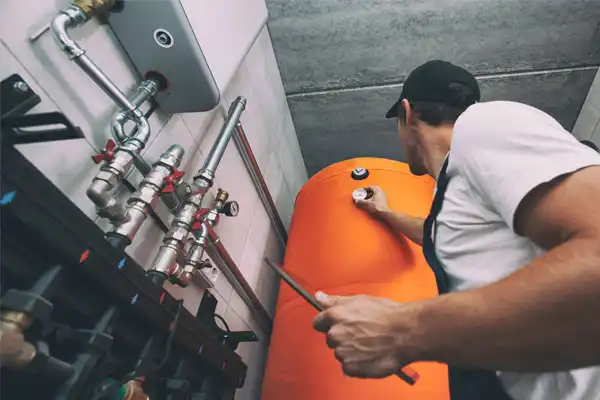
A one-off leak with healthy surrounding piping usually points toward repair. Repeated failures, widespread deterioration, or major renovation access may point toward repiping. Hidden piping condition can complicate the call. Sometimes an opened wall reveals tidy, sound pipe. Sometimes it reveals a museum exhibit titled “Decisions Were Made.”
A useful decision conversation should cover these points:
- How many leaks have occurred, and where?
- What condition is visible on exposed piping?
- Will access work be repeated if only one section is repaired?
- Are other projects already opening the same areas?
- How long does the owner plan to keep or operate the property?
That last question is not a trick. A long-term owner may prefer the stability of a broader repipe. A seller preparing a property may still need proper repairs, but the scope may be shaped by inspection findings, disclosure requirements, and budget realities. A rental property owner may weigh tenant disruption and repeated emergency calls. A commercial or institutional setting may prioritize downtime and predictable maintenance windows.
The pipe does not care about anyone’s five-year plan. The project should.
What a careful leak visit should feel like
A professional leak repair visit should not feel like a carnival game. The technician should ask when the water appears, which fixtures were used, whether the leak is constant or intermittent, whether recent work occurred, and whether any mechanical equipment nearby has been running. They should inspect before cutting whenever possible. If access is needed, they should explain why and where.
Once the source is found, the explanation should be understandable without requiring a plumbing apprenticeship. “The hot supply branch is leaking at this fitting, and the surrounding pipe looks sound” is useful. “You have bad pipes” is not. If repiping is recommended, the reason should be specific: repeated failures, visible deterioration, inaccessible patched sections, poor layout, or other observable conditions.
Good contractors also respect the difference between urgent and important. An active leak may need immediate isolation and temporary stabilization. A full repipe plan may follow after the emergency is controlled. Trying to design the entire future of the plumbing system while water is dripping into a bucket can lead to rushed decisions and colorful language.
Maintenance is less glamorous than repair, which is why it works
Nobody brags at dinner about exercising shutoff valves or checking under sinks. Yet small habits prevent large messes. Look under cabinets occasionally. Notice stains, swelling, corrosion, or mineral crust. Know where the main water shutoff is. If the shutoff valve is buried behind storage, move the storage before the emergency, not during the indoor rainstorm.
Air conditioning maintenance belongs in the same preventive mindset. A cooling system with a neglected condensate drain can create water damage that looks suspiciously like plumbing failure. Regular service by an Air conditioning contractor or Air conditioning repair service can catch problems before the ceiling gets involved. The same applies to heating equipment. A Heating contractor or Furnace repair service may identify issues around mechanical equipment that could create water, drainage, gas, or electrical concerns.
Water heater maintenance, drain attention, sump pump checks where applicable, and prompt repair of small leaks all reduce the odds of major damage. None of this is glamorous. Glamour is overrated. Dry floors are better.
Choosing the right contractor without needing a detective hat
Because plumbing, HVAC, gas, electrical, and drainage work can overlap, choosing a contractor is partly about matching the problem to the trade. A plumber is the obvious call for supply leaks, drain leaks, water heater repair, water heater installation, plumbing repiping, drain cleaning, and many fixture-related problems. An HVAC contractor handles heating, ventilation, air conditioning, heat pump installation, air conditioning repair, and air conditioning maintenance. Electrical work belongs with qualified electrical professionals. Septic system service belongs with providers who handle those systems.
Some companies offer multiple services under one roof. That can be convenient when a leak involves a water heater, HVAC condensate, gas appliance, or electrical components. Convenience still needs competence. The right company should know when to bring in the appropriate technician rather than sending one brave soul to solve plumbing, refrigerant, gas, wiring, and drywall with a flashlight and optimism.
Ask clear questions. Is the visit for diagnosis only, or does it include repair if accessible? Are after-hours rates different? If a wall must be opened, who restores it? If repiping is recommended, will the estimate separate plumbing work from related restoration? If HVAC equipment is involved, is the technician qualified for that equipment? The answers do not need to be fancy. They need to be clear.
The quiet value of doing it right
The best plumbing work often disappears into the background. No puddles. No stains. No hissing behind the wall. No buckets in the hallway. No family group text titled “urgent water situation.” That quiet is the reward.
Plumbing leak repair protects the immediate structure and stops active damage. Plumbing repiping, when justified, protects the building from repeated failures and reduces the cycle of emergency calls. Drain cleaning, rooter service, hydrojetting, water heater work, HVAC maintenance, heat pump installation support, gas service, electrical coordination, and septic care all sit nearby in the broader ecosystem of a building that behaves itself.
The key is judgment. Repair what deserves repair. Replace what has earned retirement. Do not let one dramatic leak bully you into unnecessary work, but do not let a long pattern of failures nibble your budget to death one patch at a time.
Water will always try to go where gravity, pressure, and opportunity send it. A good plan gives it fewer opportunities. A good plumber gives you a straight answer. And a good homeowner keeps the main shutoff accessible, because even the most dignified house occasionally decides to be a fountain.
Name: Service Lion Plumbing Heating Air Electric
Address: 521 W Briardale Ave, Orange, CA 92865, United States
Phone: (657) 567-7305
Website: https://callservicelion.com/
Email: [email protected]
Hours:
Monday: Open 24 hours
Tuesday: Open 24 hours
Wednesday: Open 24 hours
Thursday: Open 24 hours
Friday: Open 24 hours
Saturday: Open 24 hours
Sunday: Open 24 hours
Open-location code: R48R+WV Orange, California, USA
Map/listing URL:
https://www.google.com/maps/search/?api=1&query=Google&query_place_id=ChIJQU4LBWHV3IARtnABtyykSA4
Google Map:
Socials:
https://www.facebook.com/ServiceLionCA/
https://www.youtube.com/channel/UCR_L35QzsRTxYZtX8PxJvPw
Local Service Information
Service Lion Plumbing Heating Air Electric provides plumbing, drain, heating, air conditioning, and electrical services from its Orange, California location.The company serves homeowners and properties throughout Orange and communities across Orange County and surrounding areas.
Available services include plumbing repairs, water heater work, drain and sewer services, heating and cooling service, electrical repairs, panels, lighting, outlets, and related home-system work.
Service is available for residential properties as well as light commercial needs described within the company's local service-area information.
The company's website emphasizes locally operated service, coordinated home-system support, and practical scheduling for plumbing, HVAC, and electrical needs.
The matching public business listing shows the Orange location as open 24 hours a day, seven days a week.
For service information or scheduling, call (657) 567-7305 or visit https://callservicelion.com/.
The public map listing identifies the business at 521 W Briardale Ave, Orange, CA 92865 and can be used for location and direction information.
Popular Questions About Service Lion Plumbing Heating Air Electric
What services does Service Lion Plumbing Heating Air Electric provide?
The company provides plumbing, drain and sewer, heating, air conditioning, and electrical services. Its published services include plumbing repair, water heaters, drain clearing, sewer work, HVAC repair and installation, electrical repairs, panels, circuit breakers, lighting, outlets, and related services.
Where is Service Lion Plumbing Heating Air Electric located?
The matching business location is 521 W Briardale Ave, Orange, CA 92865, United States.
What areas does Service Lion Plumbing Heating Air Electric serve?
The company serves Orange County and surrounding communities. Its published service-area information includes Orange, Anaheim, Brea, Yorba Linda, Fullerton, Huntington Beach, Newport Beach, Costa Mesa, Irvine, Lake Forest, and additional nearby cities.
Is Service Lion Plumbing Heating Air Electric open 24 hours?
The matching public business listing shows the location as open 24 hours on Monday through Sunday.
Does Service Lion Plumbing Heating Air Electric work on drains and sewer lines?
Yes. Published services include drain clearing, rooter service, camera inspection, hydro jetting, sewer line repair and installation, water line work, slab leak detection, and trenchless sewer line repair.
Does Service Lion Plumbing Heating Air Electric provide heating and air conditioning service?
Yes. Its published HVAC services include air conditioning repair and installation, heating service, furnace work, heat pumps, air ducts, indoor air quality assessments, and thermostat installation.
Does Service Lion Plumbing Heating Air Electric provide electrical service?
Yes. Published electrical services include repairs and installations, electrical panels, circuit breakers, safety inspections, lighting, outlets and switches, surge protection, generators, and EV charging equipment installation.
How can I contact Service Lion Plumbing Heating Air Electric?
Call (657) 567-7305.
Email: [email protected]
Website: https://callservicelion.com/
Facebook: https://www.facebook.com/ServiceLionCA/
Landmarks Near Orange, California
Old Towne Orange Historic District
A central historic district and useful geographic reference point for the Orange community.
Plaza Park
A well-known public gathering point in the center of Old Towne Orange.
Orange Public Library & History Center
A civic landmark serving residents near central Orange.
Hart Park
A major public park and recreation area south of central Orange.
Eisenhower Park
A public park serving neighborhoods in northern Orange.
Santiago Oaks Regional Park
A regional recreation and open-space landmark on the eastern side of Orange.
Irvine Regional Park
A large regional park and recognizable reference point east of the city.
Orange Park Acres
A distinctive residential community and service-area reference point in eastern Orange.
El Modena
An established Orange neighborhood that provides a practical local coverage reference.
Glassell Street
One of the city's principal north-south streets and a useful route through central Orange.
Lincoln Avenue
A major east-west roadway serving northern Orange and nearby communities.
State Route 55
A primary regional freeway connecting Orange with other parts of Orange County.