Rooter Service for Drain and Sewer Problems
A slow drain has a sense of theater. It starts with a little gurgle in the bathroom sink, the plumbing equivalent of clearing its throat. Then the shower pan begins holding water around your ankles like a tiny, unwanted foot bath. By the time the toilet burps when the washing machine drains, the house is no longer making suggestions. It is filing a complaint.
That is where rooter service earns its keep.
Rooter service sits in that practical corner of plumbing where mystery meets machinery. It is not glamorous work, unless your idea of glamour involves cable machines, drain lines, sewer access, wet gloves, and the occasional smell that could humble a raccoon. But when a drain or sewer line stops doing its one job, moving waste and water away from the building, nothing feels more essential.
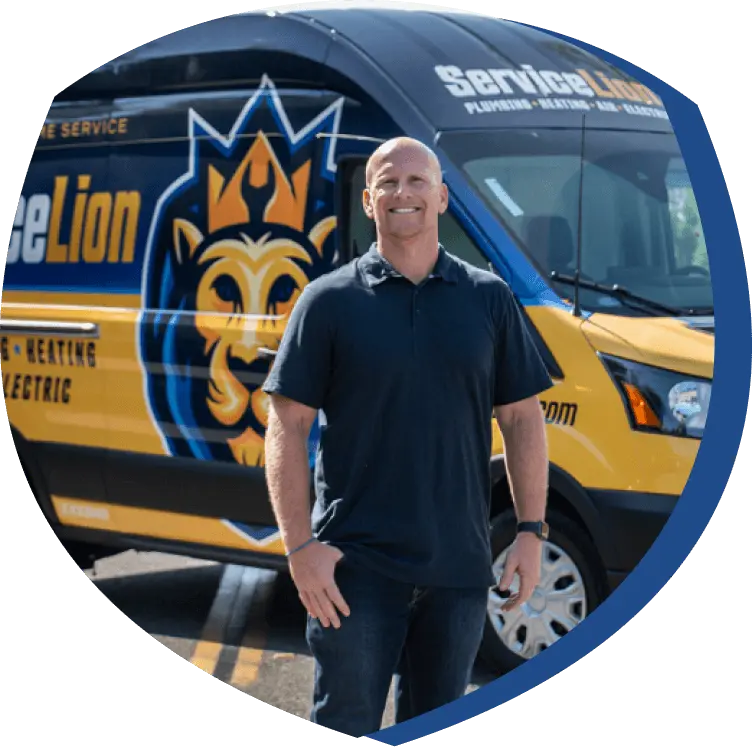
A Plumber who handles Rooter service spends a lot of time diagnosing what is happening inside a pipe nobody can see from the kitchen. The best ones combine patience, mechanical skill, and a healthy suspicion of easy answers. A clog is not always just a clog. Sometimes it is a symptom. Sometimes it is the plumbing system waving a little white flag.
What rooter service actually means
Rooter service generally refers to clearing blockages in drain and sewer lines using powered equipment designed to cut through or break apart obstructions. In everyday speech, people often use the term for any serious Drain cleaning, especially when the problem is beyond a plunger, a hand auger, or a brave homeowner with a bucket and fading optimism.
The name has a clue in it. Roots are one of the classic reasons sewer lines have trouble, especially where older piping, joints, or outdoor lines create opportunities for intrusion. But rooter work is not only about roots. A drain can slow or stop because of grease, sludge, hair, soap residue, paper products, debris, scale, or a physical issue in the piping. The technician’s job is not merely to make the water disappear for the moment. The job is to understand whether the drain is blocked, damaged, poorly pitched, overloaded, or connected to a larger system problem.
That distinction matters. A sink trap packed with hair is a nuisance. A main sewer line backing up into the lowest fixture in the building is an event. One costs you an afternoon. The other can turn your laundry room into a swamp with tile.
Rooter work falls naturally under plumbing repair, but it often brushes up against other trades in real homes and commercial buildings. The same contractor may also handle Water heater repair, Water heater installation, Plumbing leak repair, Plumbing repiping, Water softener installation, or even related work tied to heating and cooling equipment. Plumbing, heating, and air-conditioning work are often grouped as special trade contractor services because buildings do not politely separate their problems into neat little boxes. A mechanical room may contain water lines, gas piping, electrical connections, a furnace, a heat pump, a water heater, condensate drains, and enough valves to make a new homeowner consider renting forever.
The difference between a local drain clog and a sewer problem
Here is the simplest way to think about it: if one fixture is acting badly, the issue may be local. If multiple fixtures are misbehaving, especially on the lowest level of the building, the main drain or sewer line check here deserves attention.
A bathroom sink that drains slowly while the toilet and shower behave normally may have a blockage in the sink’s trap or branch line. A kitchen sink that backs up after years of grease and food residue may be a branch drain issue. But if flushing a toilet makes water rise in a shower, or running the washing machine triggers a floor drain backup, you are probably not dealing with a cute little clog. That is the plumbing system’s baritone section joining the chorus.
A good technician listens to the pattern. Which fixture backed up first? Does the problem happen only after a heavy water discharge, such as laundry or a tub draining? Are there gurgling sounds? Is there an outdoor cleanout? Has the issue happened before? Did someone recently remodel, install new fixtures, or send something down the drain that should have gone to the trash with a note of apology?
Those questions help separate the ordinary from the ominous. Nobody wants to pay for more service than needed, but nobody wants the “quick fix” that lasts until Saturday night when guests are over and the guest bathroom decides to reenact a municipal infrastructure failure.
When a plunger is enough, and when it is auditioning for comedy
The humble plunger deserves respect. It is cheap, quiet, and does not require a service appointment. For a simple toilet stoppage, it often works. A cup plunger can help with sinks and tubs when used correctly, while a flange plunger is better suited for toilets. Many service calls begin after the plunger has already been given a fair trial and lost.
The trouble starts when people escalate from plunging to chemical drain cleaners. These products may appear to help in some cases, but they are not a thoughtful diagnostic tool. They do not tell you whether the pipe has a belly, a break, a recurring obstruction, or a blockage farther down the line. They can also leave unpleasant liquid sitting in a fixture or pipe, waiting for the next person who opens the line. That person is often the plumber, who will not be moved by the homeowner’s sheepish grin.
Rooter equipment is different because it physically works through the line. The technician chooses equipment based on pipe size, access, likely blockage, and risk. A small hand or powered auger may suit a tub or lavatory drain. A larger cable machine may be appropriate for a main line. The right tool matters. Using too small a machine on a serious main line can waste time. Using aggressive equipment in the wrong place can create damage, especially where piping is fragile, poorly assembled, or already compromised.
The technician’s first real job: access
Drain cleaning is partly about clearing the line, but before that comes the less poetic challenge of getting into the line. Plumbing systems usually include cleanouts, which are access points made for service. When cleanouts are present, reachable, and in decent condition, everybody’s day improves.
When they are missing, buried, painted shut, hidden behind finished walls, or located in a crawlspace apparently designed by someone with a grudge against knees, the work becomes more complicated. Sometimes the technician can access a line through a fixture opening. Sometimes a toilet must be removed and reset. Sometimes the best long-term recommendation is adding a proper cleanout so future service does not require dismantling half the bathroom.
This is where judgment matters. The least invasive access point is not always the best one. A roof vent, for example, may seem tempting in some situations, but it may not provide the right working angle or control. A cleanout near the affected line can make the job faster and more effective. The technician has to balance convenience, safety, the chance of clearing the blockage, and the likelihood of retrieving the equipment without drama. Drain machines are powerful. Drama is not a feature.
Cable rooter service versus hydrojetting
Rooter service often uses a rotating cable with a cutting or boring head. The cable advances through the pipe and works against the obstruction. This can open the line, restore flow, and remove enough material to get the system functioning again. For many stoppages, that is exactly what is needed.
Hydrojetting is different. It uses high-pressure water to scour the inside of the pipe. In the right conditions, Hydrojetting can be extremely effective for grease, sludge, and buildup along pipe walls. It is often discussed as a deeper cleaning method rather than just punching a hole through a blockage. But it is not automatically the right answer for every pipe or every situation. The condition of the line, the type of material in the pipe, access, and the risk of backup all matter.
Think of cable service as the drain-clearing equivalent of cutting a path through a snowbank. Think of hydrojetting as bringing in the street sweeper after the plow. Sometimes you only need the path. Sometimes the whole road needs cleaning. Sometimes the road has a sinkhole, and sending more equipment down it without understanding the condition is not heroic. It is just expensive confidence.
A competent Plumber will not treat every drain as a nail just because the truck has a hammer with a motor.
Signs you should call for rooter service
Some drain problems can wait until normal business hours. Others deserve prompt attention because wastewater belongs in exactly one place, and that place is not your hallway. The more fixtures involved, the more urgent the call becomes.
Here are common signs that a drain or sewer problem needs professional attention:
- Multiple fixtures drain slowly or back up at the same time.
- Water appears in a tub, shower, or floor drain when another fixture is used.
- Toilets gurgle, bubble, or lose water from the bowl unexpectedly.
- A drain problem returns soon after plunging or basic cleaning.
- Sewage odors or visible wastewater appear near drains or cleanouts.
That is one of those lists you hope never applies to your house. If it does, do not negotiate with the drain like it is a toddler refusing shoes. Stop using water where possible and get the line evaluated.
The recurring clog, also known as the pipe’s way of saying “we meet again”
A one-time clog is annoying. A recurring clog is information.
If the same drain slows every few months, something is encouraging the blockage. The cause might be usage, such as grease going down a kitchen sink or hair collecting in a shower drain. It might also be pipe condition, slope, venting, or an obstruction that never fully clears. In a main sewer line, repeated backups deserve more than another quick pass with a cable and a cheerful invoice.
This is where experienced plumbers separate themselves from button-pushers. Clearing the line is useful. Asking why it clogged is more useful. If the blockage returns, the next step may involve a closer look at the system, different cleaning equipment, improved access, or repair recommendations. Sometimes the answer is maintenance. Sometimes it is Plumbing repiping in a troubled section. Sometimes the answer is changing what goes down the drain, which is the cheapest repair and somehow the hardest to sell to the person who insists coffee grounds are “basically dirt.”
They are not basically dirt when mixed with grease in a pipe. They are ambition with texture.
Septic systems add another layer of consequence
Not every building sends wastewater to a municipal sewer. Some rely on a septic system, and that changes the conversation. Septic system service is its own area of expertise because the drain line, tank, and disposal field all play roles. A backup in a building on septic may be caused by an interior drain blockage, but it may also relate to tank condition, outlet issues, or downstream components.
Rooter service can help when a building drain is obstructed, but a technician should be careful about assuming the pipe is the only issue. If the tank is overdue for service or the system is saturated or not accepting flow properly, clearing a pipe may provide limited relief. The same symptom, wastewater backing up, can have more than one cause. Plumbing is generous that way. It gives you puzzles with smells.
For homes with septic systems, it is especially important to mention that fact when calling for service. It affects diagnosis, equipment choices, and expectations. A contractor who also offers Septic system service may be able to evaluate both sides of the problem, which can save time and reduce guesswork.
Rooter service and the rest of the mechanical room circus
Drain and sewer problems rarely happen in isolation from the rest of a building’s mechanical life. A contractor who works across plumbing, heating, ventilation, and air conditioning often sees how one system affects another. HVAC contractors specialize in installing and maintaining heating, ventilation, and air-conditioning equipment, and related service can include installation, maintenance, repairs, duct cleaning, and the plumbing or electrical work associated with heating and cooling equipment.
That matters because modern homes are full of shared spaces and overlapping systems. A high-efficiency furnace or air conditioner may produce condensate that needs to drain. A heat pump installation may involve electrical and drainage considerations. A water heater sits near floor drains, supply piping, gas connections in some cases, and sometimes recirculation lines. A utility room can call for a Plumber, Heating contractor, Air conditioning contractor, Electrician, Gas installation service, or even a Lighting contractor depending on what is being installed, repaired, or brought up to a safe working condition.
Nobody should pretend one person is automatically qualified for every trade task. Electrical work is separately classified from plumbing, heating, and air-conditioning work for good reason. Refrigerant work, gas piping, wiring, venting, drainage, and combustion safety each require appropriate skill and compliance. But from the homeowner’s perspective, choosing a contractor who understands the boundaries between trades is valuable. The best technicians know what they can handle, what requires a different licensed specialist, and when the building is giving hints that the problem crosses categories.
A drain backup near a furnace is not a furnace repair service call, but water where it does not belong can still threaten heating equipment. A clogged condensate drain may show up as an Air conditioning repair service issue, even though the solution has a drainage flavor. An Air conditioning tune-up or Air conditioning maintenance visit may spot drain concerns before they become ceiling stains. The trades overlap in the real world, usually at the exact moment a homeowner is already late for work.
Why “just clear it” is not always the best instruction
Customers often ask for the fastest possible fix. Fair enough. When a toilet is out of service or a floor drain is backing up, philosophy can wait. But the phrase “just clear it” sometimes leads to short-term thinking.
A technician can often restore flow without fully resolving why the blockage formed. That may be acceptable when the cause is obvious and isolated. If a child flushed a toy, if a guest used far too much paper, or if a sink trap is packed with hair, there may be no grand mystery. Clear it, clean up, and move on with life.
But if a main line repeatedly backs up, if the cable hits a hard obstruction, if the equipment comes back with roots or heavy debris, or if the line drains poorly after being opened, the customer deserves a more serious discussion. The next recommendation might cost more, but it should also be specific. Vague warnings are not helpful. “Your whole sewer is bad” is not a diagnosis. “The line is still holding water after clearing, and the blockage point appears to be beyond the foundation cleanout” is at least a useful start.
Good service lives in that difference. It explains without scaring. It offers options without theatrical sighing. It treats the customer like an adult who can handle reality, especially if reality comes with a price range and a mop.
What homeowners can do before the technician arrives
There is a small window between discovering a sewer or drain problem and getting help. Use it wisely. Do not keep testing every fixture in the house as though the seventh flush will reveal a secret passage. If water is backing up, adding more water usually adds more problem.
A few sensible steps can make the visit cleaner and faster:
- Stop using affected fixtures and avoid running dishwashers or washing machines.
- Move stored items away from floor drains, cleanouts, and utility areas.
- Note which fixtures are affected and what happened first.
- Tell the technician about prior backups, septic systems, or recent remodeling.
- Keep pets and curious spectators away from the work area.
That last point is not about being fussy. Drain equipment can be dangerous, and open plumbing lines do not need an audience. Your Labrador may be emotionally invested, but he is not helping.
Commercial drain problems have a different clock
In a home, a drain backup is miserable. In a business, it can interrupt operations. Restaurants, salons, clinics, offices, shops, and multi-unit buildings all have less tolerance for downtime. A blocked restroom line or backed-up floor drain can affect customers, employees, tenants, and sanitation. The urgency is not just inconvenience. It is continuity.
Commercial rooter service often requires coordination. Access may be limited during business hours. Water use may need to pause. The technician may need to work around equipment, tenants, or public areas. In some buildings, the location of cleanouts is known only to a retired maintenance person named Carl who labeled nothing and took the good flashlight with him.
The trade-off is familiar: service during business hours may be disruptive, while after-hours work may cost more. Preventive Drain cleaning can make sense for businesses with predictable buildup, but it should be based on actual conditions and history, not superstition. Cleaning every line constantly is wasteful. Waiting until the floor drain erupts during the lunch rush is also a choice, just not a dignified one.
The role of maintenance, and where it stops
Maintenance can reduce surprises. It cannot make a plumbing system immortal.
For drains, good maintenance starts with what does not go into them. Kitchen grease should not be treated as a liquid simply because it is warm. Hair should be caught before it migrates into the drain. Wipes, even those marketed in ways that make plumbers roll their eyes clear across the county, should not be trusted like toilet paper. Laundry areas deserve attention because lint, debris, and high discharge volumes can expose weak drainage.
For HVAC-related drainage, Air conditioning maintenance and an Air conditioning tune-up can include attention to condensate drainage where applicable. A clogged condensate drain is not the same as a sewer blockage, but it can still cause water damage or equipment shutdowns. Air conditioning repair often begins with a comfort complaint and ends with a technician finding a drainage, electrical, airflow, or refrigerant issue. Proper installation also matters. Heating and cooling equipment, including an air conditioner or heat pump, should be sized correctly and properly charged because poor setup can increase energy use and failure risk. That is not rooter service, but it is part of the same homeowner lesson: systems behave better when installed and maintained by people who know what they are doing.
Maintenance stops where defects begin. If a line is damaged, poorly sloped, intruded upon, or undersized for its use, cleaning may buy time but not permanence. That is true for plumbing, heating, cooling, and electrical systems alike. A Furnace repair service can replace a failed component, but it cannot make a badly designed duct system magically balanced. An Electrician can repair a circuit, but not by wishing away overloaded usage. A Plumber can clear a drain, but if the pipe keeps inviting trouble, the conversation eventually shifts from cleaning to repair.
Choosing the right contractor without needing a detective board and red string
The best contractor for drain and sewer problems is not always the one with the loudest advertisement or the most dramatic promise. Look for competence in the first conversation. A good dispatcher or technician asks what is backing up, how many fixtures are affected, whether there is a cleanout, whether the property uses septic, and whether the issue has happened before. Those questions are not small talk. They shape the service approach.
For broader mechanical needs, it can be useful to work with a company that understands plumbing and HVAC boundaries. Plumbing, heating, and air-conditioning contractors commonly work with installation, maintenance, and repair of building comfort and water systems. Some companies also coordinate related electrical or gas installation service when appropriate. Since electrical work is its own classification, the important thing is not that one truck magically does everything. The important thing is that the contractor sends qualified people for the task and does not blur safety lines.
If you are also dealing with Water heater installation, Water heater repair, Water softener installation, Heat pump installation, Air conditioning repair, or heating equipment installation, ask direct questions about licensing, experience, and scope. A confident professional will not be offended. The trades are full of specialized tasks, and the phrase “I can take care of that” should mean more than “I watched a video and own pliers.”
The uncomfortable truth about price
Rooter service pricing varies because jobs vary. Access, severity, pipe size, time of day, equipment needed, and whether the problem is local or in the main line all affect cost. A simple lavatory drain is not the same service as a main sewer backup after hours with no accessible cleanout. Hydrojetting may cost more than basic cable service because the equipment, setup, and time differ. Removing and resetting a toilet adds labor. Searching for a buried cleanout adds time. Working in a crawlspace adds the kind of inconvenience that makes technicians stare quietly into the middle distance.
The cheapest service is not always the least expensive outcome. If a low-cost visit opens the line for two weeks and the problem returns, you have not saved money. You have rented relief. On the other hand, the most expensive recommendation is not automatically the wisest. A good contractor explains the evidence, the options, and the trade-offs. Sometimes the right move is basic cleaning and observation. Sometimes it is hydrojetting. Sometimes it is repair. Sometimes it is adding access so future service is less invasive.
Be wary of absolute language. “Guaranteed never to clog again” belongs in the same drawer as miracle diet pills and socks that claim they will not disappear in the dryer.
What a well-handled rooter visit feels like
A well-handled service call has a rhythm. The technician listens first. Then they inspect the affected area, identify access, protect the workspace as much as practical, and choose equipment. During the work, they pay attention to resistance in the line, water movement, sounds, and what comes back on the cable or through the drain. After restoring flow, they test fixtures, clean the work area, and explain what they found in plain language.
Not every visit ends with perfect certainty. Pipes are hidden. Conditions change. Some problems require further evaluation. But the customer should leave the conversation knowing whether the issue looked isolated or recurring, whether access was adequate, and what warning signs should prompt another call.
Good plumbers are not just people who own machines. They are translators. They translate gurgles, backups, water levels, access points, and pipe behavior into decisions. They also carry towels they hope not to use.
A drain problem is a building problem, not a moral failure
People get embarrassed about drain and sewer issues. They whisper the details over the phone as if the plumbing company has never heard of a toilet. Trust me, the technician is not shocked. Plumbing systems handle real life. Hair, soap, waste, grease, laundry, guests, kids, aging pipes, heavy use, odd remodels, and the occasional object of unknown origin all end up in the story.
The smart move is not shame. The smart move is timely attention. A drain that repeatedly slows is asking for service before it becomes a backup. A sewer line that affects multiple fixtures deserves respect. A mechanical room with plumbing, heating, cooling, gas, and electrical equipment deserves qualified hands, not guesswork and optimism wearing safety glasses.
Rooter service is one of those tradespeople’s services you do not think about when everything works. Water leaves, toilets flush, showers drain, and civilization continues its quiet miracle. Then one day the system stops, and suddenly the person with the drain machine becomes the most important guest your house has ever welcomed.
Offer them clear access, honest history, and perhaps a cup of coffee after the gloves come off. They have seen things. They have earned it.
Name: Service Lion Plumbing Heating Air Electric
Address: 521 W Briardale Ave, Orange, CA 92865, United States
Phone: (657) 567-7305
Website: https://callservicelion.com/
Email: [email protected]
Hours:
Monday: Open 24 hours
Tuesday: Open 24 hours
Wednesday: Open 24 hours
Thursday: Open 24 hours
Friday: Open 24 hours
Saturday: Open 24 hours
Sunday: Open 24 hours
Open-location code: R48R+WV Orange, California, USA
Map/listing URL:
https://www.google.com/maps/search/?api=1&query=Google&query_place_id=ChIJQU4LBWHV3IARtnABtyykSA4
Google Map:
Socials:
https://www.facebook.com/ServiceLionCA/
https://www.youtube.com/channel/UCR_L35QzsRTxYZtX8PxJvPw
Local Service Information
Service Lion Plumbing Heating Air Electric provides plumbing, drain, heating, air conditioning, and electrical services from its Orange, California location.The company serves homeowners and properties throughout Orange and communities across Orange County and surrounding areas.
Available services include plumbing repairs, water heater work, drain and sewer services, heating and cooling service, electrical repairs, panels, lighting, outlets, and related home-system work.
Service is available for residential properties as well as light commercial needs described within the company's local service-area information.
The company's website emphasizes locally operated service, coordinated home-system support, and practical scheduling for plumbing, HVAC, and electrical needs.
The matching public business listing shows the Orange location as open 24 hours a day, seven days a week.
For service information or scheduling, call (657) 567-7305 or visit https://callservicelion.com/.
The public map listing identifies the business at 521 W Briardale Ave, Orange, CA 92865 and can be used for location and direction information.
Popular Questions About Service Lion Plumbing Heating Air Electric
What services does Service Lion Plumbing Heating Air Electric provide?
The company provides plumbing, drain and sewer, heating, air conditioning, and electrical services. Its published services include plumbing repair, water heaters, drain clearing, sewer work, HVAC repair and installation, electrical repairs, panels, circuit breakers, lighting, outlets, and related services.
Where is Service Lion Plumbing Heating Air Electric located?
The matching business location is 521 W Briardale Ave, Orange, CA 92865, United States.
What areas does Service Lion Plumbing Heating Air Electric serve?
The company serves Orange County and surrounding communities. Its published service-area information includes Orange, Anaheim, Brea, Yorba Linda, Fullerton, Huntington Beach, Newport Beach, Costa Mesa, Irvine, Lake Forest, and additional nearby cities.
Is Service Lion Plumbing Heating Air Electric open 24 hours?
The matching public business listing shows the location as open 24 hours on Monday through Sunday.
Does Service Lion Plumbing Heating Air Electric work on drains and sewer lines?
Yes. Published services include drain clearing, rooter service, camera inspection, hydro jetting, sewer line repair and installation, water line work, slab leak detection, and trenchless sewer line repair.
Does Service Lion Plumbing Heating Air Electric provide heating and air conditioning service?
Yes. Its published HVAC services include air conditioning repair and installation, heating service, furnace work, heat pumps, air ducts, indoor air quality assessments, and thermostat installation.
Does Service Lion Plumbing Heating Air Electric provide electrical service?
Yes. Published electrical services include repairs and installations, electrical panels, circuit breakers, safety inspections, lighting, outlets and switches, surge protection, generators, and EV charging equipment installation.
How can I contact Service Lion Plumbing Heating Air Electric?
Call (657) 567-7305.
Email: [email protected]
Website: https://callservicelion.com/
Facebook: https://www.facebook.com/ServiceLionCA/
Landmarks Near Orange, California
Old Towne Orange Historic District
A central historic district and useful geographic reference point for the Orange community.
Plaza Park
A well-known public gathering point in the center of Old Towne Orange.
Orange Public Library & History Center
A civic landmark serving residents near central Orange.
Hart Park
A major public park and recreation area south of central Orange.
Eisenhower Park
A public park serving neighborhoods in northern Orange.
Santiago Oaks Regional Park
A regional recreation and open-space landmark on the eastern side of Orange.
Irvine Regional Park
A large regional park and recognizable reference point east of the city.
Orange Park Acres
A distinctive residential community and service-area reference point in eastern Orange.
El Modena
An established Orange neighborhood that provides a practical local coverage reference.
Glassell Street
One of the city's principal north-south streets and a useful route through central Orange.
Lincoln Avenue
A major east-west roadway serving northern Orange and nearby communities.
State Route 55
A primary regional freeway connecting Orange with other parts of Orange County.