Septic System Service and Plumbing System Connections
A septic system is not glamorous. Nobody invites the neighbors over to admire the tank, and no one posts photos of a well-graded drain field unless they are either a contractor or a person who has recently paid for a very expensive lesson. Still, the septic system is one of the most important parts of a property’s plumbing life. When it works, it disappears. When it fails, it becomes the main character, the villain, and the plot twist.
For homes and businesses that are not tied into a municipal sewer, the septic system is where the plumbing story goes after the drain disappears into the wall or floor. Every sink, toilet, tub, shower, laundry standpipe, dishwasher, and floor drain has to send wastewater somewhere. The pipes inside the building are only the opening act. The septic system is the part that has to receive, separate, and disperse what the building produces, day after day, without drama.
That is why septic system service and plumbing system connections belong in the same conversation. A plumber can repair a leak under a sink, clear a clogged kitchen line, replace a water heater, or repipe tired old supply lines. A septic professional can inspect and service the tank and disposal area. But the place where those worlds meet, the building sewer, the fixtures, the flow rate, the venting, the drains, and the habits of the people using them, is where many real-world problems begin.
And yes, it is always the guest bathroom that backs up during a holiday meal. Plumbing has a theatrical sense of timing.
Where the plumbing system ends and the septic system begins
Inside a building, the plumbing system collects wastewater through branch drains and sends it into larger drain lines. Those drains carry water and waste by gravity whenever possible. Vents help the system breathe, which keeps traps from being siphoned dry and allows water to move without gurgling like a swamp creature in the wall.
From there, the building drain exits the structure and becomes the connection point to the septic system. That exterior pipe is often the quiet troublemaker. It may be out of sight, but it is not out of the physics business. If it has poor slope, damage, root intrusion, a belly that holds water, or buildup along the pipe wall, the septic tank can be perfectly healthy and the building can still have slow drains.
This is where the difference between drain cleaning and septic system service matters. Drain cleaning addresses blockages or buildup in the piping. Septic system service addresses the tank and downstream components. Rooter service may clear an obstruction in a line. Hydrojetting may scour grease and sludge from pipe interiors when conditions allow. Septic pumping and inspection deal with what happens after wastewater reaches the tank. These services overlap in symptoms, but not always in cause.
A toilet that burps when the washing machine drains might point to a clogged building sewer, a full septic tank, a venting issue, or a downstream restriction. A kitchen sink that drains slowly may be grease in the branch line, not a septic failure. A shower backing up with wastewater from another fixture is a stronger hint that the main drain or septic connection deserves immediate attention. Plumbing is a bit like detective work, except the clues smell worse.
The connection is not just a pipe
People often imagine the plumbing-to-septic connection as a single pipe running from point A to point B. Fair enough, that is the visible part on a sketch. In practice, the connection includes pipe size, slope, fittings, cleanouts, soil conditions, tank inlet elevation, venting, fixture load, and the way the occupants use water.
A well-made connection gives wastewater a clear path into the septic tank without forcing solids to linger in the pipe. Too little slope, and the pipe becomes a lazy river with unpleasant souvenirs. Too much slope can let liquids outrun solids, which is every bit as unhelpful as it sounds. The goal is not speed. The goal is transport.
Cleanouts matter more than most property owners realize. A cleanout is the access point that lets a plumber inspect, cable, or jet a drain line without turning the house into an archaeological dig. When cleanouts are missing, buried, inaccessible, or installed in odd locations, a simple service call can become a messy puzzle. Nobody enjoys moving a rose bush to find a cap that should have been visible in the first place.
The building’s plumbing layout also affects the septic system. Modern high-flow events, such as large tubs, multiple showers running at once, or heavy laundry use, send surges into the system. A properly designed system can handle ordinary household patterns, but unusual use changes the rhythm. Water softener installation can add regeneration discharge to the wastewater stream, depending on how it is connected and configured. Water treatment equipment, laundry appliances, and new fixtures all deserve a little thought before they are tied into a septic-served plumbing system.
That does not mean every upgrade is a problem. It means the plumbing and septic sides should not pretend they have never met.
Why HVAC, electrical, and plumbing trades often cross paths
Plumbing and septic connections do not live in isolation from the rest of a mechanical system. The trade world has always had overlap among plumbing, heating, and air conditioning work. Heating contractors and air conditioning contractors often deal with condensate drains, gas piping, equipment water connections, and electrical controls related to heating and cooling equipment. An electrician may be needed for dedicated circuits, disconnects, controls, pumps, or safety devices. A lighting contractor may be in the same building during a renovation, wondering why everyone else’s work involves water, mud, or both.
A heat pump installation may require condensate management. Air conditioning maintenance includes checking whether condensate drains properly, because a clogged condensate line can damage ceilings and floors with the quiet confidence of a cat knocking a glass off a counter. Air conditioning repair service may involve clearing drain pans, addressing refrigerant-related performance issues, or correcting installation problems. Air conditioning tune-up visits often catch small drainage or equipment issues before they grow teeth.
Heating equipment brings its own connections. Furnace repair service may involve gas, venting, combustion air, condensate in high-efficiency units, and electrical controls. Gas installation service must be handled with the seriousness it deserves, because gas has no sense of humor. Water heater installation and water heater repair sit squarely at the plumbing and energy crossroads, with water supply, drainage, venting, electrical or gas connections, and safety controls all in play.
The reason this matters for septic systems is simple: many mechanical upgrades affect water flow, drainage, or utility connections. A new appliance, condensate drain, water softener, utility sink, basement bathroom, or laundry relocation can change how wastewater enters the plumbing system. The septic tank does not care that the remodel looks beautiful. It only cares what arrives, how fast it arrives, and whether the piping was installed correctly.
The humble cleanout, hero of the bad Tuesday
If there is one small fitting that deserves better public relations, it is the cleanout. It is usually a capped access point in the drain system, and it may be located in a basement, crawl space, mechanical room, exterior wall, or yard. Its job is to give service technicians a way into the pipe. Not romantic. Very useful.
I have seen cleanouts hidden behind drywall, buried under landscaping, covered by flooring, and painted shut with the enthusiasm of someone who believed future problems were illegal. When a main drain clogs, access matters. A plumber with a clear cleanout can often work faster, cleaner, and with better diagnostic control. Without one, the work may have to proceed through a pulled toilet, a roof vent, or some other less convenient route.
For septic-connected buildings, exterior cleanouts near the building and near directional changes can be especially valuable. They help separate interior plumbing issues from the line heading toward the tank. If wastewater backs up at the house but the line to the tank is clear, the problem may be upstream. If the house line is clear but wastewater is not entering or leaving the tank properly, the service focus shifts.
Drain cleaning, rooter service, and hydrojetting all depend on access. Cabling can punch through many clogs, especially soft blockages or roots in certain conditions. Hydrojetting can be useful for scouring pipe walls, particularly where grease or sludge has built up, but it is not magic and should be used with judgment. If a pipe is fragile, badly offset, or collapsed, blasting water through it is not a kindness. Camera inspection and experienced judgment matter.
When a plumbing problem is really a septic problem
The early signs of trouble can be subtle. A drain that has always been slow gets a little slower. A toilet flushes with less authority. A floor drain makes a noise that suggests something living beneath the slab has developed opinions. By the time wastewater appears where it absolutely should not, the system has been asking for attention for a while.
There are a few symptoms that should make a property owner stop guessing and call for help.
- Multiple fixtures drain slowly at the same time, especially on the lowest level.
- Toilets bubble or gurgle when tubs, showers, or laundry fixtures drain.
- Wastewater backs up through a shower, tub, or floor drain.
- Wet areas or sewage odors appear near the septic tank or disposal area.
- Drain problems return soon after basic clearing.
That list is short because it should be. The longer version is just “water is going where it should not, and it is not getting better.” A single clogged sink may be a local blockage. Multiple fixtures acting up together usually point to a larger drain or septic connection issue.
One common mistake is treating every backup as a clog and every clog as a septic failure. Both assumptions waste money. If the pipe between the house and tank is obstructed, pumping the tank may not fix the backup. If the septic tank is overdue for service or has downstream trouble, repeatedly cabling the same drain line may only provide temporary relief. The correct diagnosis starts with asking where the flow stops.
The best technicians do not just ask, “What is clogged?” They ask what changed. Was a bathroom added? Was there recent landscaping? Did a heavy vehicle cross the yard? Did the problem start after a big gathering? Was a new water softener installed? Did air conditioning condensate get rerouted? Did a sump pump or utility drain get tied into the wrong place? Sometimes the pipe tells the truth. Sometimes the timeline does.
Water heaters, softeners, and the septic conversation
Water heater repair and water heater installation seem unrelated to septic system service until the drain pan, relief line, or maintenance discharge enters the chat. Water heaters need safe installation, proper connections, and appropriate drainage provisions. A leaking water heater can send a surprising amount of water across a floor, into a drain, or into places water was never invited.
Water softener installation deserves a more careful conversation in septic-served properties. The issue is not that softened water is automatically a villain twirling a mustache. The concern is how regeneration discharge is routed, how often the unit cycles, how much water it uses, and whether the septic system is suitable for that added hydraulic load. Local code and manufacturer guidance matter. So does the condition and capacity of the existing system.
Plumbing repiping can also change the way a building behaves. Old, restricted supply piping may have limited flow for years. Replace it with properly sized modern piping and suddenly showers perform better, laundry fills faster, and occupants use fixtures more comfortably. That is good, but it may increase peak wastewater flow. Again, not a reason to avoid repair. It is a reason to think like a system rather than a collection of shiny parts.
Plumbing leak repair is another quiet septic issue. A dripping faucet, running toilet, or hidden supply leak can add constant water to the waste stream if it enters a drain or keeps fixtures cycling. Septic systems are built to receive wastewater, not to act as a 24-hour water feature. A toilet that runs all night is not just annoying. It can overload a system over time, waste water, and shorten the interval between service needs.
HVAC condensate and the drain nobody brags about
Air conditioning repair and septic service rarely appear in the same sentence at a dinner party, which is probably healthy for the dinner party. Still, air conditioning equipment produces condensate that must be drained properly. Heat pumps and high-efficiency heating equipment may also create condensate depending on the system type. That water needs a legal, safe, and sensible place to go.
An air conditioning contractor or heating contractor may handle condensate piping as part of installation or maintenance. The details matter. Condensate drains can clog with biological growth, dust, debris, or poor slope. When they fail, water may overflow into ceilings, walls, mechanical rooms, or crawl spaces. If condensate is tied into a plumbing drain, traps, air gaps, and code requirements become important. If a condensate line is routed carelessly, it can create nuisance moisture or connect where it should not.
Proper HVAC installation includes correct equipment sizing and refrigerant charging. That affects comfort, energy use, and equipment reliability. But the less glamorous installation details, such as condensate drainage and service access, often determine how the system behaves after the installer leaves. A perfectly selected unit with a poorly pitched drain line is like a tuxedo with clown shoes.
Air conditioning maintenance and an air conditioning tune-up should include attention to drainage, not just cooling performance. The same practical mindset applies to plumbing and septic service. Systems fail at weak points, and weak points are often ordinary: a low spot in a pipe, a missing cleanout, a loose cap, a trap that dries out, a line full of sludge, or a connection made because “it was close enough.”
Close enough is not a plumbing standard. It is a future invoice.
The role of electrical work in plumbing and septic systems
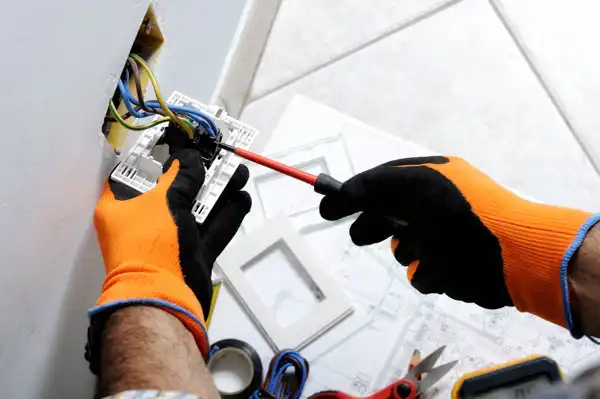
Electrical work sits behind many plumbing and septic components. Pumps, alarms, controls, water heaters, heat pumps, furnaces, air handlers, and some treatment equipment all depend on safe electrical connections. An electrician is not interchangeable with a plumber, just as a plumber is not automatically an air conditioning repair service. The trades overlap, but qualifications matter.
Septic systems may include pumps or alarms in some configurations. Plumbing systems may use sump pumps, sewage ejector pumps, recirculation pumps, or powered water treatment equipment. HVAC systems need electrical circuits, disconnects, controls, and sometimes low-voltage wiring coordinated with thermostats or building automation. Lighting contractors may not touch plumbing, but on remodels they often share the same walls, ceilings, and schedules with everyone else. Coordination prevents the classic jobsite comedy where one trade finishes beautiful work directly over another trade’s required access panel.
Good contractors know when to bring in the right specialist. A gas installation service should not be guessed through. Electrical work should not be improvised with confidence and a roll of tape. Refrigerant-related HVAC service is regulated work, and technicians who maintain, service, repair, or install air conditioners and refrigeration equipment operate within defined requirements. Professional boundaries exist because buildings are full of things that can leak, shock, burn, flood, or all four if treated casually.
Diagnosing the system instead of chasing symptoms
A smart service call begins with observation. Where is the backup? Which fixtures are affected? Does the problem happen only during heavy use? Are there odors? Is the issue constant or intermittent? Has anyone recently performed drain cleaning, plumbing repiping, water heater installation, air conditioning repair, landscaping, excavation, or renovation?
Then comes testing and access. A plumber may run water through fixtures, open cleanouts, use cable equipment, inspect accessible piping, or recommend camera inspection. If the evidence points to the septic tank or downstream area, septic system service becomes the next step. The goal is to avoid doing the right task in the wrong place.
Here is a compact way to think about the first fork in the road:
| Symptom | More likely plumbing-side issue | More likely septic-side issue | |---|---|---| | One sink or tub drains slowly | Local trap or branch line buildup | Less likely | | Several low fixtures back up | Main drain or building sewer blockage | Possible tank or outlet issue | | Odor near tank area | Possible venting or line issue | Tank or disposal area concern | | Repeated clogs after clearing | Damaged pipe, roots, grease, poor slope | Possible downstream restriction | | Backup after heavy water use | Main line capacity or blockage | Septic capacity or drainage concern |
That table is not a diagnosis, and it should not be treated like a magic napkin. It is a starting air conditioning unit repair service point. Real systems have quirks. Old buildings have secrets. Renovated buildings have even better secrets, usually hidden behind drywall and optimism.
Roots, grease, and other repeat offenders
Roots love sewer and drain lines because pipes can offer moisture, nutrients, and tiny openings that become bigger openings. A small joint gap or Plumber crack can invite root intrusion. Once inside, roots catch paper and solids, forming a blockage that may clear temporarily with rooter service but return if the pipe defect remains. Cutting roots without addressing the opening is a bit like trimming weeds and declaring victory over botany.
Grease is another classic. Kitchen drains receive fats, oils, food particles, soap residue, and hot water that cools as it moves. Grease may enter as liquid and then cling to pipe walls like it signed a lease. Over time, the pipe narrows. Hydrojetting can help in suitable piping, but behavior matters too. Pouring grease down a drain and then calling it “just this once” is how pipes learn not to trust you.
Solids and wipes create their own mayhem. Some products marketed as flushable do not behave kindly in real plumbing and septic systems. Toilets are not trash chutes with water features. Septic systems especially benefit from restraint. The fewer inappropriate solids sent into the system, the less chance of blockages, tank imbalance, or unnecessary service calls.
Poor slope and pipe damage are less glamorous but often more stubborn. If a drain line has settled, cracked, or developed a belly, cleaning may restore temporary flow while leaving the underlying geometry unchanged. Water sitting in a low spot allows solids to settle. Solids invite more solids. Eventually the pipe becomes a storage unit for bad decisions.
Remodels: where good intentions meet old pipes
Adding a bathroom, relocating a kitchen, finishing a basement, installing a laundry room, or upgrading mechanical equipment can improve a property tremendously. It can also expose the limits of the existing plumbing and septic connection. A new basement bathroom may need proper drainage slope, venting, and possibly pumping depending on elevation. A relocated laundry may discharge into piping that was never meant to receive that volume. A new water heater may require updated venting, drainage, or utility connections. A heat pump installation or air conditioning upgrade may involve condensate drainage that nobody planned for when the house was built.
This is why planning matters. A plumber should look beyond the fixture being installed. A heating contractor should consider drainage and electrical needs. An air conditioning contractor should think about condensate management and service access. An electrician should coordinate equipment requirements with the rest of the mechanical plan. When trades communicate, the building behaves better. When they do not, the owner becomes the project manager by accident, which is rarely anyone’s dream.
Permits and local code requirements vary by location and project type, so nobody should treat a general blog article as a substitute for local professional guidance. Septic systems in particular may be subject to health department or local authority rules. The principle is simple: if a project changes wastewater flow, fixture count, drainage routing, or mechanical discharge, the septic connection deserves attention before the work is buried, tiled, painted, or celebrated.
Maintenance is cheaper than panic
Routine maintenance does not make for thrilling conversation, but neither does explaining to overnight guests why the shower is off-limits. Plumbing and septic systems reward steady attention. They do not need pampering. They need sensible use, periodic inspection, and prompt repair when symptoms appear.
A practical maintenance rhythm includes watching drain performance, repairing leaks, keeping cleanouts accessible, scheduling septic service at appropriate intervals for the property, and having HVAC condensate drains checked during air conditioning maintenance or heating service. The exact timing depends on system size, occupancy, water use, equipment, and local conditions. A small household and a large household do not load a septic system the same way. A business with public restrooms creates different demands than a single-family home. There is no universal calendar that fits every site.
The better approach is to keep records. Note when the septic tank was serviced, when drain cleaning was performed, when water heater repair occurred, when plumbing leak repair was completed, and when air conditioning tune-up visits found condensate issues. Service history turns guesswork into pattern recognition. If the main line needs clearing every six months, that is not a maintenance plan. That is a symptom with a subscription model.
Choosing the right contractor for the actual problem
The right professional depends on the problem. A plumber handles supply piping, drain piping, fixture connections, water heater work, leak repairs, repiping, drain cleaning, and many building-side wastewater issues. A septic system service provider handles septic tank service and related septic components. An air conditioning repair service handles cooling equipment, while a heating contractor or furnace repair service handles heating equipment. An electrician handles electrical circuits, controls, and power requirements. Some companies offer multiple services under one roof, especially in plumbing, heating, and air-conditioning work, but the important part is competence in the specific task.
When calling for service, describe symptoms plainly. Say which fixtures are affected, when the problem started, whether there are odors, whether water backs up at the lowest drains, and whether any recent work was done. Avoid diagnosing it yourself too firmly. “The septic is broken” may turn out to be a main line clog. “It just needs snaking” may turn out to be a tank or outlet problem. Contractors appreciate details more than theories, although they will politely listen to both if coffee is available.
Good service also means explaining trade-offs. Should a line be cabled or hydrojetted? Is camera inspection worth it? Should an old pipe be repaired or replaced? Is water heater installation straightforward, or does the venting or drainage need correction? Can a condensate line be cleaned, or was it poorly routed from the start? Professional judgment lives in those questions.
A building is a system, not a collection of emergencies
The cleanest way to think about septic system service and plumbing system connections is to treat the building as one coordinated system. Water enters, gets heated, softened, mixed, used, cooled, drained, pumped, vented, or discharged depending on the fixture or equipment. Plumbing, HVAC, gas, and electrical work all touch that cycle in different ways.
A plumber fixing a drain, an air conditioning contractor maintaining condensate flow, an electrician powering a pump, a heating contractor installing equipment, and a septic technician servicing a tank are not working in separate universes. They are working on different chapters of the same book. If one chapter is written badly, the ending may involve towels.
The best systems are not necessarily fancy. They are accessible, properly sized, correctly connected, serviceable, and understood by the people who maintain them. They have cleanouts where cleanouts should be. They have drains that slope correctly. They have equipment that discharges where it should. They have leaks repaired before they become habits. They have septic service before the yard starts making announcements.
Septic systems may not be glamorous, but they are honest. They respond to design, use, maintenance, and neglect with very little spin. Treat the plumbing connection with respect, coordinate mechanical upgrades with the wastewater system in mind, and the whole property runs more quietly. Ignore it, and sooner or later the system will request a meeting, usually through the lowest drain in the building.
Name: Service Lion Plumbing Heating Air Electric
Address: 521 W Briardale Ave, Orange, CA 92865, United States
Phone: (657) 567-7305
Website: https://callservicelion.com/
Email: [email protected]
Hours:
Monday: Open 24 hours
Tuesday: Open 24 hours
Wednesday: Open 24 hours
Thursday: Open 24 hours
Friday: Open 24 hours
Saturday: Open 24 hours
Sunday: Open 24 hours
Open-location code: R48R+WV Orange, California, USA
Map/listing URL:
https://www.google.com/maps/search/?api=1&query=Google&query_place_id=ChIJQU4LBWHV3IARtnABtyykSA4
Google Map:
Socials:
https://www.facebook.com/ServiceLionCA/
https://www.youtube.com/channel/UCR_L35QzsRTxYZtX8PxJvPw
Local Service Information
Service Lion Plumbing Heating Air Electric provides plumbing, drain, heating, air conditioning, and electrical services from its Orange, California location.The company serves homeowners and properties throughout Orange and communities across Orange County and surrounding areas.
Available services include plumbing repairs, water heater work, drain and sewer services, heating and cooling service, electrical repairs, panels, lighting, outlets, and related home-system work.
Service is available for residential properties as well as light commercial needs described within the company's local service-area information.
The company's website emphasizes locally operated service, coordinated home-system support, and practical scheduling for plumbing, HVAC, and electrical needs.
The matching public business listing shows the Orange location as open 24 hours a day, seven days a week.
For service information or scheduling, call (657) 567-7305 or visit https://callservicelion.com/.
The public map listing identifies the business at 521 W Briardale Ave, Orange, CA 92865 and can be used for location and direction information.
Popular Questions About Service Lion Plumbing Heating Air Electric
What services does Service Lion Plumbing Heating Air Electric provide?
The company provides plumbing, drain and sewer, heating, air conditioning, and electrical services. Its published services include plumbing repair, water heaters, drain clearing, sewer work, HVAC repair and installation, electrical repairs, panels, circuit breakers, lighting, outlets, and related services.
Where is Service Lion Plumbing Heating Air Electric located?
The matching business location is 521 W Briardale Ave, Orange, CA 92865, United States.
What areas does Service Lion Plumbing Heating Air Electric serve?
The company serves Orange County and surrounding communities. Its published service-area information includes Orange, Anaheim, Brea, Yorba Linda, Fullerton, Huntington Beach, Newport Beach, Costa Mesa, Irvine, Lake Forest, and additional nearby cities.
Is Service Lion Plumbing Heating Air Electric open 24 hours?
The matching public business listing shows the location as open 24 hours on Monday through Sunday.
Does Service Lion Plumbing Heating Air Electric work on drains and sewer lines?
Yes. Published services include drain clearing, rooter service, camera inspection, hydro jetting, sewer line repair and installation, water line work, slab leak detection, and trenchless sewer line repair.
Does Service Lion Plumbing Heating Air Electric provide heating and air conditioning service?
Yes. Its published HVAC services include air conditioning repair and installation, heating service, furnace work, heat pumps, air ducts, indoor air quality assessments, and thermostat installation.
Does Service Lion Plumbing Heating Air Electric provide electrical service?
Yes. Published electrical services include repairs and installations, electrical panels, circuit breakers, safety inspections, lighting, outlets and switches, surge protection, generators, and EV charging equipment installation.
How can I contact Service Lion Plumbing Heating Air Electric?
Call (657) 567-7305.
Email: [email protected]
Website: https://callservicelion.com/
Facebook: https://www.facebook.com/ServiceLionCA/
Landmarks Near Orange, California
Old Towne Orange Historic District
A central historic district and useful geographic reference point for the Orange community.
Plaza Park
A well-known public gathering point in the center of Old Towne Orange.
Orange Public Library & History Center
A civic landmark serving residents near central Orange.
Hart Park
A major public park and recreation area south of central Orange.
Eisenhower Park
A public park serving neighborhoods in northern Orange.
Santiago Oaks Regional Park
A regional recreation and open-space landmark on the eastern side of Orange.
Irvine Regional Park
A large regional park and recognizable reference point east of the city.
Orange Park Acres
A distinctive residential community and service-area reference point in eastern Orange.
El Modena
An established Orange neighborhood that provides a practical local coverage reference.
Glassell Street
One of the city's principal north-south streets and a useful route through central Orange.
Lincoln Avenue
A major east-west roadway serving northern Orange and nearby communities.
State Route 55
A primary regional freeway connecting Orange with other parts of Orange County.