Tank vs. Tankless Water Heater Installation: What to Know
A water heater is one of those appliances nobody praises when it behaves. It sits in a closet, garage, basement, attic, or utility room doing its job like a quiet stagehand. Then one morning the shower turns glacial halfway through shampoo, or a rusty puddle appears under the tank, and suddenly the entire household becomes deeply interested in thermal engineering.
Choosing between a traditional tank water heater and a tankless model sounds simple until you start asking practical questions. How many bathrooms? Gas or electric? Hard water? Recirculation line? Venting? Panel capacity? Teenagers who think a shower is a personal spa residency? The right answer depends less on brochure promises and more on how your home actually uses hot water.
I’ve seen tankless water heaters save space, trim utility costs, and keep large families from playing “who used all the hot water?” I’ve also seen them installed where they didn’t belong, usually because someone liked the phrase “endless hot water” and skipped the less glamorous parts, such as gas line sizing, annual descaling, and minimum flow rates. Tank heaters have their own baggage, of course. They can be bulky, inefficient, and dramatic when they fail. Nothing says “good morning” like 50 gallons of hot water auditioning for a role as indoor pond.
Let’s sort out what matters before you schedule water heater installation and discover your utility room has opinions.
The basic difference, without the sales confetti
A tank water heater stores heated water in a reservoir, commonly 40 to 80 gallons for residential use. It heats that water, holds it at the set temperature, and reheats it as needed. When you open a hot water tap, hot water leaves the tank and cold water enters to be heated. Simple, familiar, and a little like keeping a pot of soup warm all day in case someone wants a spoonful.
A tankless water heater heats water on demand. When hot water flows through the unit, burners or electric heating elements fire up and heat the water as it passes through. There is no big storage tank. The unit hangs on a wall, often looking like a sleek metal suitcase that takes itself too seriously.
That core difference affects almost everything: upfront cost, installation complexity, operating expense, maintenance, repair, space, and comfort.
Tank systems are usually cheaper to install, especially when replacing a similar unit. Tankless systems tend to cost more upfront because the installation often requires changes to venting, gas piping, electrical service, condensate handling, or water lines. A tank heater is typically less fussy about peak demand, while a tankless unit must be sized carefully based on flow rate and temperature rise.
The phrase “endless hot water” is not false, but it needs a footnote. A properly sized tankless unit can keep heating water as long as fuel and water flow continue. But if the unit can deliver 5 gallons per minute at a given temperature rise and your household asks for 7, someone is getting a lukewarm surprise. The machine is not magic. It is plumbing, physics, and sometimes a little homeowner optimism.
Upfront installation cost: the first splash of cold water
If you are replacing a standard tank heater with another standard tank heater, the project can be fairly straightforward. A Plumber disconnects the old unit, sets the new one, connects water and fuel or electrical, addresses code-required safety items, tests operation, and hauls away the retired cylinder of sediment and memories.
Costs vary by region, fuel type, capacity, access, code requirements, and whether repairs are needed. A basic tank replacement may be a modest job if the site is clean and compliant. But “basic” has a habit of evaporating when the old shutoff valve is frozen, the vent is improper, the drain pan is missing, or the platform looks like it was built by raccoons with a nail gun.
Tankless installation is usually more involved. Gas tankless models need enough fuel volume to fire powerful burners. Many homes with a tank gas heater have a gas line sized for that old heater, not for a tankless unit with a higher BTU demand. That can mean upsizing gas piping, checking meter capacity, or coordinating with a Gas installation service. Venting may need to change too, since many high-efficiency tankless systems use specific stainless steel or PVC venting, depending on the model and local code. Condensing tankless units produce acidic condensate that must be drained properly, often through a neutralizer.
Electric tankless units skip combustion and venting, but they can be surprisingly demanding. Whole-house electric tankless water heaters may require large electrical loads, sometimes more than an older electrical panel can handle. That is when an Electrician becomes part of the conversation, and not merely as a cameo. If your panel is already juggling air conditioning, appliances, lighting, and a heat pump, adding a big electric tankless unit may require service upgrades. Suddenly your water heater project is flirting with the budget category usually reserved for “we opened a wall and found history.”
The practical takeaway is simple: tank heaters generally win on initial cost. Tankless may win over time in certain homes, but the installation quote needs to include the whole job, not just the shiny appliance.
Operating cost: where efficiency meets your habits
Tankless water heaters often use less energy because they avoid standby heat loss. A tank heater keeps stored water hot whether you use it or not. That standby loss is like paying a tiny utility tax for the privilege of being ready.
Modern tank local heating contractor heaters have improved, especially well-insulated models, and heat pump water heaters can be very efficient in the right setting. Still, gas tankless units can be attractive for homes with high hot water usage spread throughout the day. They heat only when needed, and that can reduce fuel use.
But efficiency does not live alone. It shares a house with behavior. If a tankless system makes everyone feel licensed to take longer showers, savings may wander off wearing a bathrobe. If your household uses little hot water, the payback can stretch. If gas prices are high or electricity is cheap in your area, that changes the math. If you add a recirculation system for instant hot water at distant fixtures, comfort improves, but energy use may rise unless controls are smart.
Tank systems can also be paired with timers, insulation, mixing valves, and efficient fixtures. A plumber who understands the whole system can often help lower operating costs without pushing one type as the answer to every household from a one-bath cottage to a six-bath shower museum.
Performance in real life, not brochure life
A tank heater has a fixed supply of hot water. Once depleted, it needs recovery time. A 50-gallon gas tank may recover faster than an electric tank, but both have limits. If three showers, a washing machine, and a dishwasher all demand hot water close together, the tank will eventually tap out. Most families know the rhythm. First shower gets luxury. Last shower gets character development.
Tankless systems do not run out in the same way, but they have maximum flow. The unit must raise incoming water to the desired temperature while water moves through it. Incoming water temperature matters. In a warm climate, the unit may only need to raise water from 65 degrees to 120 degrees. In a colder region, incoming water may be 40 degrees or lower, which means the same unit delivers fewer gallons per minute. This is why sizing by bathroom count alone is lazy work. A good installer asks about simultaneous use, local groundwater temperature, fixture flow rates, and whether the household includes people who believe “quick shower” means anything under 25 minutes.
There is also the cold-water sandwich, a charming phrase for an annoying problem. With some tankless systems, brief on-off use can create a slug of cooler water between hot sections. Modern units and good piping design reduce this, but it can still happen, especially with short draws. Minimum flow rate can also matter. If you barely crack a hot tap, an older tankless unit may not fire. Newer models are better, but not all are equal.
Tank heaters deliver hot water immediately from the tank, though not necessarily immediately at the faucet. The delay at a fixture usually comes from pipe distance, not heater type. If the master bath is far from the water heater, both tank and tankless systems may make you wait unless a recirculation solution is added.
Space, placement, and the weird places builders put water heaters
Tankless units save floor space. That can be a major benefit in small homes, condos, garages, laundry rooms, and mechanical closets. Wall-mounted equipment feels tidy. It also keeps the floor clear for storage, though storing paint cans, mop buckets, and holiday decorations directly under mechanical equipment remains a household sport I cannot endorse.
Tank heaters need a footprint, clearance, safe drainage, and often a pan when installed where leakage could cause damage. In attics, the stakes rise. I have never met a homeowner who enjoyed learning that a failed attic water heater damaged ceilings, insulation, flooring, and their faith in gravity. If a tank must live overhead, proper pans, drains, shutoffs, and leak detection are not luxuries. They are the difference between an inconvenience and a drywall waterfall.
Tankless units can be installed indoors or outdoors if rated for it. Outdoor tankless models are common in mild climates and eliminate some venting concerns, but they need freeze protection where temperatures drop. Indoor units require proper combustion air and venting. The location must also allow maintenance access. If a technician has to become a circus contortionist to flush the unit, someone made a poor choice.
A traditional tank replacement may fit where the old unit sat, but newer code requirements can affect placement. Expansion tanks, seismic straps, drain pans, temperature and pressure relief piping, combustion air, vent slope, and clearance rules matter. This is why “my cousin can install it Saturday” sometimes becomes “the inspector would like a word.”
Maintenance: tankless is not maintenance-free, despite what the internet whispers
Both types need maintenance. Tank water heaters benefit from periodic flushing, anode rod inspection or replacement, temperature checks, and safety valve testing. Hard water speeds sediment buildup, which can reduce efficiency, cause rumbling, and shorten tank life. That popcorn sound from the tank is not applause. It is usually sediment.
Tankless systems need periodic descaling, especially in hard water areas. Minerals coat the heat exchanger, restricting flow and reducing performance. Many manufacturers recommend annual service, though the exact interval depends on water hardness and usage. A water softener installation can help protect both tank and tankless equipment, but it should be matched correctly to the home. Oversized, undersized, neglected, or poorly programmed softeners bring their own nonsense.
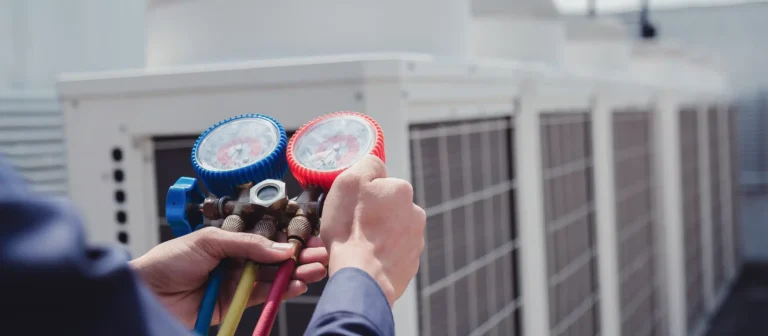
Maintenance access matters at installation. A good tankless setup includes service valves for flushing. Without them, a simple maintenance visit becomes a plumbing improvisation act. With tank heaters, a working drain valve and proper clearance make flushing less painful. Cheap plastic drain valves on some models are a personal insult to civilization, but that is a separate sermon.
If your home has recurring scale, sand, or debris issues, the water heater is rarely the only victim. Faucets, shower valves, dishwashers, washing machines, and ice makers all join the complaint department. Sometimes the right answer includes filtration, softening, or addressing old piping. Plumbing repiping may sound extreme, but in homes with failing galvanized lines or chronic rust and restriction, a new water heater alone is like putting clean socks on muddy feet.
Lifespan and repair: who lasts longer?
Traditional tank water heaters often last around 8 to 12 years, sometimes longer with good water quality and maintenance. Tankless units may last 15 to 20 years in favorable conditions, especially when maintained. Those ranges are not guarantees. Water chemistry, installation quality, usage, and maintenance can move the needle.
Tank heaters usually fail in familiar ways: leaking tank, failed heating elements, bad thermostats, faulty gas valves, pilot or ignition issues, relief valve problems, or sediment-related performance loss. Once the tank itself leaks, replacement is usually the answer. You do not patch a leaking glass-lined tank unless you also enjoy temporary fixes and repeat visits.
Tankless units have replaceable parts too: flow sensors, igniters, fans, control boards, heat exchangers, flame rods, valves, and temperature sensors. Water heater repair on a tankless model can be more technical and parts-specific. Diagnostic skill matters. Not every plumber who can swap a tank is equally comfortable troubleshooting a tankless combustion error code, and not every homeowner wants to wait for a proprietary part during a cold week.
The best repair outcome starts with proper installation. Bad venting, undersized gas lines, poor condensate drainage, unflushed scale, or incorrect settings can cause repeat problems that masquerade as equipment defects. The water heater gets blamed, but the crime scene includes the whole mechanical system.
Gas, electric, and heat pump options
Gas tank water heaters remain common because they recover quickly and often operate at reasonable cost. Gas tankless units can deliver strong performance, but they need proper gas supply, venting, combustion setup, and code-compliant installation. If other gas appliances share the system, such as a furnace, range, dryer, or fireplace, capacity calculations matter. A Heating contractor or Furnace repair service technician may already have insight into your gas system if they maintain your heating equipment.
Electric tank water heaters are simpler to vent because there is no combustion. They usually cost less to install than electric tankless if the wiring is already in place. Recovery can be slower, and operating costs depend heavily on local electric rates.
Electric tankless can work well for point-of-use needs, such as a remote bathroom, workshop sink, or small apartment with modest demand. Whole-house electric tankless requires careful electrical evaluation. If your home also has central air conditioning, a heat pump, electric range, and EV charger plans, load calculations are not optional. They are the adult supervision.
Heat pump water heaters deserve a mention because they complicate the tank-versus-tankless debate in a useful way. A heat pump water heater uses electricity to move heat from surrounding air into the water. It is still a tank system, but often much more efficient than standard electric resistance tanks. It needs adequate air volume, condensate drainage, and space where cooler exhaust air will not annoy the household. In a garage or basement, it can be excellent. In a tiny closet next to a bedroom, it may become an appliance with a fan club nobody asked to join. If you are already considering Heat pump installation for home comfort, it is worth asking whether a heat pump water heater fits your broader energy plan.
The comfort question nobody should skip
People often talk about efficiency and forget comfort. Hot water comfort includes temperature stability, wait time, noise, simultaneous use, and confidence. A technically efficient system that irritates everyone every morning is not a win. It is a household grievance with copper pipes.
Tank heaters are forgiving. They handle small hot water draws well and do not care much if you wash hands at a trickle. Tankless units shine when properly sized for longer continuous demand, but they may need thoughtful design for homes with frequent low-flow use or distant fixtures.
Recirculation can improve wait times. In a dedicated recirculation system, a return line brings cooled hot water back to the heater so hot Plumber water is available quickly at fixtures. Some retrofit systems use the cold line as a return, which can work but may warm the cold water side briefly. Controls make a big difference. A timer, aquastat, motion sensor, or demand button can reduce waste. A poorly controlled recirculation pump can turn an efficient system into a tiny utility-bill treadmill.
Mixing valves can also help. A thermostatic mixing valve allows the heater to store water at a higher temperature while delivering safer tempered water to fixtures. This can increase usable hot water from a tank and reduce scald risk when installed correctly. It is common in some systems and required in certain applications, depending on code.
When a tank water heater is the better choice
Tank heaters are not old-fashioned by default. Sometimes they are simply the right tool. If the existing location, venting, fuel supply, and electrical setup are suitable, replacing a tank with a new tank can be economical and reliable. Rental properties often favor tank heaters because repair and replacement are straightforward. Smaller households with predictable usage may not gain enough from tankless efficiency to justify the upgrade.
A tank also makes sense when the budget is tight and the current system failed suddenly. Few families want to spend three days comparing energy models while boiling pasta water for sponge baths. If the installation must happen fast, a standard tank replacement may be the least disruptive path.
Homes with older gas infrastructure may also be better served by a tank unless the owner is ready to upgrade piping. And where water quality is harsh and maintenance is unlikely, a tankless unit can suffer. I have met plenty of homeowners who swear they will descale annually with the commitment of a monk, then forget until the unit throws an error code during Thanksgiving dishes. Know thyself. Plumbing rewards honesty.
When tankless earns its keep
Tankless water heaters can be a terrific fit for homes that need long-duration hot water, have limited space, or are undergoing renovations where gas, venting, and water lines are already being changed. If you are remodeling and walls are open, it is much easier to correct piping, add recirculation, improve drainage, or relocate equipment. That is also a good time to coordinate with a Lighting contractor, Electrician, or HVAC team if the project touches multiple systems. Mechanical planning is less glamorous than tile selection, but it prevents expensive “oops” moments after the walls are closed.
Tankless can also work well for households with staggered hot water use throughout the day. Instead of reheating a tank repeatedly, the system fires only on demand. Vacation homes may benefit too, provided freeze protection and maintenance are handled. Some owners like being able to isolate and drain systems during long absences.
Commercial-like residential demand, such as large tubs, multiple shower heads, or back-to-back bathing, can favor tankless or multiple heaters. But luxury bathrooms are where sizing errors become expensive. A giant soaking tub can overwhelm a small tank, but it can also exceed a tankless unit’s practical fill rate if the desired temperature rise is high. Sometimes the best solution is not tank or tankless alone, but a hybrid design, multiple units, or dedicated equipment for a specific area.
A quick comparison before your eyes glaze over
Here is the clean version, minus the showroom sparkle:
| Factor | Tank water heater | Tankless water heater | |---|---|---| | Upfront cost | Usually lower, especially for like-for-like replacement | Usually higher due to venting, gas, electrical, or piping changes | | Hot water supply | Limited by tank capacity and recovery rate | Continuous within the unit’s flow capacity | | Space | Requires floor area and clearance | Wall-mounted, compact | | Maintenance | Flush tank, check anode, inspect safety components | Descale heat exchanger, clean filters, inspect combustion and venting | | Best fit | Budget-conscious replacements, simple systems, predictable demand | Space-saving needs, long showers, remodels, efficient on-demand use |
That table is useful, but it does not replace a site visit. Water heaters live in real houses, and real houses contain surprises. I once saw a tankless quote change because the “utility closet” shared space with a return air path, a shelf full of laundry products, and venting that looked like a metal snake trying to escape. Another time, a tank replacement became more urgent because the existing water heater had been slowly leaking into a platform that looked fine until a screwdriver sank into it like cake.
Installation details that separate a clean job from a future headache
Good water heater installation is not just connecting pipes. It is checking the entire environment. Is the water pressure reasonable? High pressure can stress valves, fixtures, and the heater itself. Is there a thermal expansion tank where needed? Is the temperature and pressure relief valve piped correctly to a safe location? Is combustion air adequate? Is the vent drafting properly? Is the unit accessible for service? Is the drain pan actually draining somewhere useful, or merely providing a shallow bowl for disappointment?
Gas tankless installation adds more checks. The installer should verify gas pressure under load, vent length limits, termination clearances, condensate disposal, and manufacturer settings for altitude or fuel type. With electric units, wire size, breaker capacity, grounding, panel load, and code compliance are central. This is licensed trade work, not a weekend confidence exercise fueled by online videos and stubbornness.
Permits matter. Local codes vary, and some municipalities have specific requirements for seismic strapping, expansion control, drain pans, vent materials, and combustion air. A reputable plumber would rather do it right than win a race to the cheapest invoice. The cheapest installation often becomes expensive when it fails inspection, voids a warranty, or damages the home.
How other home systems affect the choice
Water heaters do not operate in a vacuum. Plumbing layout, electrical capacity, gas service, HVAC equipment, and water quality all shape the decision. If you are already calling for Air conditioning repair or an Air conditioning tune-up, it may seem unrelated, but your electrical panel and mechanical room capacity affect future upgrades. A home with an aging AC, planned heat pump installation, or major kitchen remodel should consider the full load picture before choosing a large electric water heating system.
Likewise, a home with drainage issues may need attention before or during water heater work. Condensing tankless units and heat pump water heaters need condensate drainage. If the nearest drain is slow, backing up, or prone to clogs, Drain cleaning, Rooter service, or Hydrojetting may be more relevant than expected. Nobody wants a high-efficiency water heater draining into a line that behaves like it has stage fright.
Septic systems deserve care too. A water softener that regenerates frequently, a household with heavy water use, or drainage rerouting can affect septic load. If your property uses a septic system, a Septic system service provider may need to weigh in on discharge practices, local rules, and system capacity. It is not the exciting part of hot water planning, but neither is explaining to guests why the yard smells “busy.”
Older homes with leaks or failing lines may need Plumbing leak repair before a new heater performs properly. If hot water pressure is poor due to corroded piping, a tankless unit might not solve the complaint. It may expose it. Restricted pipes, old galvanized supply lines, failing shutoff valves, or undersized branches can limit flow. In those cases, Plumbing repiping can deliver more comfort than changing heater type alone.
The questions a good installer should ask
If a contractor walks in, glances at the old heater, and instantly declares one option perfect without asking about your home, be wary. Water heating is personal. Not emotionally personal, although cold showers do test relationships, but mechanically personal.
A useful conversation covers how many people live in the home, how many bathrooms are used at once, whether there are large tubs or body sprays, what fuel is available, where the heater sits, how hard the water is, how long you plan to stay in the house, and whether efficiency rebates apply. The installer should also look at venting, gas line size, panel capacity, water pressure, drainage, and service access.
Here are five questions worth asking before you sign:
- Will my existing gas line, venting, electrical panel, and drain setup support this model without upgrades?
- What flow rate can I expect in winter, when incoming water is coldest?
- What maintenance does the manufacturer require, and what happens if I skip it?
- Are permits, code updates, disposal, pans, valves, and expansion control included in the quote?
- If this unit fails, how available are parts and qualified service locally?
Those questions tend to separate careful professionals from quote printers. They also help you compare bids fairly. One estimate may look higher because it includes necessary code work, while another quietly assumes your 20-year-old valve, questionable vent, and mystery drain are all just fine. Plumbing optimism is not a warranty.
Common mistakes homeowners make
The first mistake is buying based on capacity labels alone. A 50-gallon tank and a tankless unit rated at a certain gallons-per-minute figure are not directly comparable without context. Recovery rate, temperature rise, fixture flow, and simultaneous demand all matter.
The second mistake is ignoring water quality. Hard water is not a minor character. It affects efficiency, maintenance, appliance life, and warranty compliance. If you see white crust on faucets, cloudy spots on dishes, or shower heads that spray like a confused octopus, talk about treatment options before installing a tankless unit.
The third mistake is assuming tankless always saves money. It can, but the payback depends on installation cost, energy rates, use patterns, maintenance, and lifespan. If switching requires major gas or electrical upgrades, the financial case may weaken. The comfort or space-saving case may still be strong, but call it what it is.
The fourth mistake is forgetting future plans. Adding a bathroom, finishing a basement, converting to a heat pump, installing a larger tub, or upgrading appliances can change hot water demand. A water heater installed today should not be obsolete the moment your remodel begins.
The fifth mistake is treating installation as interchangeable labor. A water heater touches potable water, electricity, gas, combustion, pressure, drainage, and sometimes structural protection. That is a crowded dance floor. Hire accordingly.
A word about warranties, rebates, and fine print
Manufacturer warranties vary by model, installation type, and sometimes by whether the unit is professionally installed. Labor warranties are separate and depend on the contractor. Read both. A long parts warranty does not mean free diagnosis, free labor, or instant parts availability.
Rebates can improve the economics of efficient water heaters, especially heat pump water heaters and certain high-efficiency gas units. Utility programs change, and eligibility may depend on model numbers, installation dates, contractor participation, or proof of disposal. Check before installation, not after. Rebate paperwork has a gift for becoming useless when handled late.
Some warranties require documented maintenance, particularly for tankless heat exchangers in hard water conditions. If annual flushing is required and never done, warranty claims may get awkward. Keep records. Future you, standing near a blinking error code, will appreciate it.
So, tank or tankless?
Choose a tank water heater when you want lower upfront cost, straightforward replacement, simple operation, and reliable performance for ordinary household demand. Choose tankless when you value space, continuous hot water within properly sized limits, potential energy savings, and you are willing to invest in correct installation and maintenance.
The best choice is rarely about which technology sounds more modern. It is about fit. A well-installed tank heater beats a poorly planned tankless every day of the week. A properly sized and maintained tankless system can outperform a tank in the right home and make shower scheduling a relic of the past. Both can be excellent. Both can be botched.
A good contractor will not just sell a box. They will evaluate the plumbing, fuel, electrical, venting, drainage, water quality, and household habits. They will tell you when a standard tank is the sensible move, when tankless is worth the upgrade, and when another option, such as a heat pump water heater, deserves a seat at the table.
Hot water should feel effortless. Getting there takes a little planning, a few honest questions, and a professional who knows the difference between a clean installation and a future service call wearing a disguise.
Name: Service Lion Plumbing Heating Air Electric
Address: 521 W Briardale Ave, Orange, CA 92865, United States
Phone: (657) 567-7305
Website: https://callservicelion.com/
Email: [email protected]
Hours:
Monday: Open 24 hours
Tuesday: Open 24 hours
Wednesday: Open 24 hours
Thursday: Open 24 hours
Friday: Open 24 hours
Saturday: Open 24 hours
Sunday: Open 24 hours
Open-location code: R48R+WV Orange, California, USA
Map/listing URL:
https://www.google.com/maps/search/?api=1&query=Google&query_place_id=ChIJQU4LBWHV3IARtnABtyykSA4
Google Map:
Socials:
https://www.facebook.com/ServiceLionCA/
https://www.youtube.com/channel/UCR_L35QzsRTxYZtX8PxJvPw
Local Service Information
Service Lion Plumbing Heating Air Electric provides plumbing, drain, heating, air conditioning, and electrical services from its Orange, California location.The company serves homeowners and properties throughout Orange and communities across Orange County and surrounding areas.
Available services include plumbing repairs, water heater work, drain and sewer services, heating and cooling service, electrical repairs, panels, lighting, outlets, and related home-system work.
Service is available for residential properties as well as light commercial needs described within the company's local service-area information.
The company's website emphasizes locally operated service, coordinated home-system support, and practical scheduling for plumbing, HVAC, and electrical needs.
The matching public business listing shows the Orange location as open 24 hours a day, seven days a week.
For service information or scheduling, call (657) 567-7305 or visit https://callservicelion.com/.
The public map listing identifies the business at 521 W Briardale Ave, Orange, CA 92865 and can be used for location and direction information.
Popular Questions About Service Lion Plumbing Heating Air Electric
What services does Service Lion Plumbing Heating Air Electric provide?
The company provides plumbing, drain and sewer, heating, air conditioning, and electrical services. Its published services include plumbing repair, water heaters, drain clearing, sewer work, HVAC repair and installation, electrical repairs, panels, circuit breakers, lighting, outlets, and related services.
Where is Service Lion Plumbing Heating Air Electric located?
The matching business location is 521 W Briardale Ave, Orange, CA 92865, United States.
What areas does Service Lion Plumbing Heating Air Electric serve?
The company serves Orange County and surrounding communities. Its published service-area information includes Orange, Anaheim, Brea, Yorba Linda, Fullerton, Huntington Beach, Newport Beach, Costa Mesa, Irvine, Lake Forest, and additional nearby cities.
Is Service Lion Plumbing Heating Air Electric open 24 hours?
The matching public business listing shows the location as open 24 hours on Monday through Sunday.
Does Service Lion Plumbing Heating Air Electric work on drains and sewer lines?
Yes. Published services include drain clearing, rooter service, camera inspection, hydro jetting, sewer line repair and installation, water line work, slab leak detection, and trenchless sewer line repair.
Does Service Lion Plumbing Heating Air Electric provide heating and air conditioning service?
Yes. Its published HVAC services include air conditioning repair and installation, heating service, furnace work, heat pumps, air ducts, indoor air quality assessments, and thermostat installation.
Does Service Lion Plumbing Heating Air Electric provide electrical service?
Yes. Published electrical services include repairs and installations, electrical panels, circuit breakers, safety inspections, lighting, outlets and switches, surge protection, generators, and EV charging equipment installation.
How can I contact Service Lion Plumbing Heating Air Electric?
Call (657) 567-7305.
Email: [email protected]
Website: https://callservicelion.com/
Facebook: https://www.facebook.com/ServiceLionCA/
Landmarks Near Orange, California
Old Towne Orange Historic District
A central historic district and useful geographic reference point for the Orange community.
Plaza Park
A well-known public gathering point in the center of Old Towne Orange.
Orange Public Library & History Center
A civic landmark serving residents near central Orange.
Hart Park
A major public park and recreation area south of central Orange.
Eisenhower Park
A public park serving neighborhoods in northern Orange.
Santiago Oaks Regional Park
A regional recreation and open-space landmark on the eastern side of Orange.
Irvine Regional Park
A large regional park and recognizable reference point east of the city.
Orange Park Acres
A distinctive residential community and service-area reference point in eastern Orange.
El Modena
An established Orange neighborhood that provides a practical local coverage reference.
Glassell Street
One of the city's principal north-south streets and a useful route through central Orange.
Lincoln Avenue
A major east-west roadway serving northern Orange and nearby communities.
State Route 55
A primary regional freeway connecting Orange with other parts of Orange County.