Water Heater Installation by Plumbing Professionals
A water heater is one of those household machines that gets ignored until it decides to become the main character. One minute life is normal. The next, someone is standing in the shower shampooed, betrayed, and negotiating with a stream of water cold enough to make a penguin file a complaint.
That is usually when people start thinking about water heater installation, and often with the dangerous optimism of a weekend hardware store warrior. How hard can it be? There are pipes. There is a tank. There are fittings. Maybe a gas line or electrical connection. Perhaps some venting. Surely nothing in that sentence sounds like a bad idea.
A professional plumber hears that and quietly reaches for the good boots.
Water heater installation looks simple from across the basement. Up close, it sits at the intersection of plumbing, heating, electrical safety, gas installation service, ventilation, drainage, pressure control, and good old-fashioned judgment. That is why plumbing professionals do more than wrestle a tank into place. They evaluate the system around it, match equipment to the home, connect it correctly, and make sure the new unit does not spend its first week leaking, short-cycling, backdrafting, tripping breakers, or auditioning as a basement fountain.
The water heater is not an island, even if it acts dramatic
A water heater connects to more than hot and cold pipes. It is tied to the home’s pressure, fuel source, electrical service, venting pathway, drainage arrangement, and sometimes water quality equipment. In homes with larger mechanical systems, it may sit near a furnace, heat pump installation, air handler, or other equipment handled by a heating contractor or air conditioning contractor. That shared mechanical space matters.
Professional plumbing and HVAC trades often overlap in practical ways. The work may include heating, ventilation, air conditioning, plumbing repair, sump pump service, sewer hookups, and related installation or maintenance. Electrical work remains its own specialized field, but many water heater projects involve coordination with an electrician, especially when changing fuel types, adding a dedicated circuit, or installing equipment with different power requirements.
That is one reason a seasoned plumber does not just ask, “What size tank do you want?” The better question is, “What does this house actually need, and what is already here?”
A forty-gallon tank in one home may be perfectly adequate. In another, it may cause morning traffic jams worthy of a city bridge. A household with a big soaking tub, teenagers, frequent laundry, or guests who believe showers are a spiritual retreat may need a different approach than a compact home with one bathroom and modest demand. The right choice depends on usage, recovery rate, fuel type, space, and the condition of the surrounding plumbing.
The old water heater also leaves clues. Rust around fittings, scorch marks near draft hoods, water stains, mineral buildup, patched lines, or a suspicious bucket that has “temporarily” lived under a valve since 2019 all tell a story. Sometimes that story is short: “Replace the heater.” Sometimes it has a sequel: “Also, the shutoff valve is seized, the vent needs attention, and the drain line was apparently installed by someone who disliked gravity.”
Why professional installation beats guesswork with a pipe wrench
There are home projects where enthusiasm can carry the day. Painting a bedroom, assembling a shelf, hanging a curtain rod, these are forgiving activities. If the shelf leans, nobody has to discuss combustion air.
Water heater installation is less forgiving. A plumber brings technical knowledge, specialty tools, and the habit of checking things that invisible disasters like to hide behind. Water is patient. Gas is not sentimental. Electricity has no sense of humor.
A professional installer evaluates the incoming water line, hot water distribution, pressure relief arrangement, drain pan needs, expansion concerns, venting, fuel connections, electrical connections where relevant, and the placement of the unit. The goal is not simply to make hot water today. The goal is to make hot water safely and reliably after the installer has left, the invoice has been filed, and everyone has gone back to pretending the basement does not exist.
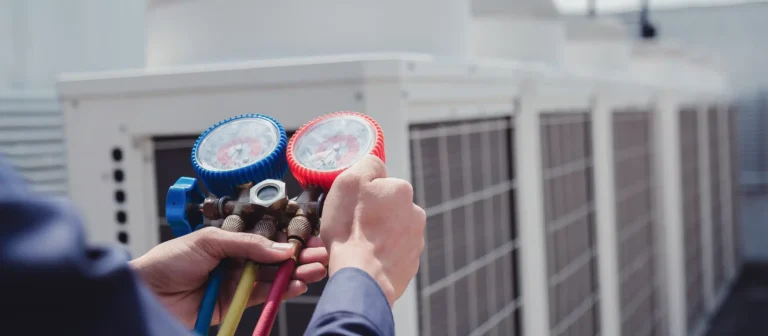
This matters because small installation errors can create large consequences. A poorly fitted connection may start as a drip and become plumbing leak repair at the worst possible time. Improper venting can create unsafe operation in gas-fired systems. Incorrect electrical work can trip breakers or create hazards. Poor equipment matching can lead to wasted energy, inconsistent performance, or early component stress.
A professional also understands the neighboring systems. In many homes, plumbing and HVAC equipment share space and sometimes service pathways. A company that provides plumbing along with air conditioning repair service, furnace repair service, heating contractor work, or related mechanical services will often recognize when one project affects another. Nobody wants a new water heater installed in a way that blocks access to a furnace panel or turns future air conditioning maintenance into a yoga class with sheet metal.
The first visit: where the good questions happen
The best installations begin before anyone touches the old tank. A plumber checks the installation area, asks about hot water habits, inspects connections, and looks for signs that the old unit failed because of age, water quality, pressure, or a broader plumbing issue.
A careful assessment may include the fuel source, available space, vent path, electrical requirements, shutoff valves, nearby floor drain, condition of supply piping, and whether the existing setup follows sound trade practice. The plumber may also look for evidence of hard water. If mineral scale has been brutalizing fixtures, faucets, and appliances, water softener installation may enter the conversation. Not as a sales gimmick, but because hard water can shorten the patience of both homeowners and equipment.
This is also when expectations get sorted out. Some homeowners want the fastest straightforward replacement. Others are weighing a different system type. Some want to improve recovery time. Some want the unit moved. Some are renovating and need plumbing repiping. A professional plumber can separate what is practical from what is merely possible in the same way a good mechanic can tell you that, yes, the car can be made louder, but no, that does not make it better.
A proper site visit often prevents surprises on installation day. For example, if the existing shutoff valve is corroded, it is better to know before the old tank is drained. If venting needs adjustment, that should not be discovered after the new unit is sitting in place like an expensive metal guest. If the project needs an electrician, scheduling that coordination early keeps the job from turning into a waiting room with pipe fittings.
Tank, tankless, fuel type, and the art of not overselling
Water heater choices can get noisy. Tank units, tankless units, gas, electric, hybrid styles, different capacities, different recovery rates. Every option has trade-offs, and any professional who pretends otherwise is either selling too hard or has not spent enough time returning to service calls.
A traditional tank water heater stores heated water and keeps it ready. It is familiar, widely used, and often more straightforward to replace when the home already has the right connections. It takes up space and can run out of hot water during heavy use, but for many households it remains sensible.
A tankless system heats water on demand. It can save space and avoid the classic “last shower loses” problem when correctly sized and installed. But tankless units have their own requirements, and switching to one is not always a simple swap. Fuel supply, venting, electrical needs, water flow, and maintenance access all matter. In some homes, the upgrade is a strong choice. In others, the cost and modifications make less sense than homeowners first expect.
Electric units require appropriate electrical service. Gas units require safe gas connections and venting. A gas installation service is not the place for guesswork, duct tape confidence, or a cousin who “did one once.” Electric models may involve an electrician, particularly where circuits, panels, or code-related electrical work come into play. If the home also has HVAC equipment nearby, a heating contractor or air conditioning contractor may need access considerations preserved.
The right recommendation depends on the home, not on the installer’s favorite brochure.
What a professional installation usually includes
Water heater installation is a sequence of decisions and careful work, not one heroic lift followed by lunch. The old unit must be shut down, isolated, drained, disconnected, removed, and replaced without damaging surrounding plumbing or mechanical equipment. The new unit must be positioned, connected, filled, checked, started, and tested.
Here is the short version, with the understanding that real homes love exceptions:
- The plumber shuts off water, fuel or power as needed, then drains and disconnects the old heater.
- The installation area is inspected for damaged valves, unsafe venting, poor drainage, or other issues.
- The new unit is positioned with proper access for service, drainage, and future maintenance.
- Water, fuel, venting, and electrical connections are completed according to the equipment type.
- The system is filled, purged, started, tested for leaks and proper operation, then explained to the homeowner.
That last part is underrated. A good installer tells the homeowner where the shutoff is, what noises are normal, what warning signs are not, and when maintenance should be considered. This five-minute conversation has saved many people from staring at a valve during an emergency like it is a museum artifact.
The humble pressure relief valve deserves respect
Every water heater has components that do not get applause. The temperature and pressure relief valve is one of them. It exists because heated water expands, pressure matters, and sealed systems need safeguards. The valve and discharge piping should be installed so they can do their job safely.
Homeowners sometimes see a pipe running down the side of a heater and assume it is decorative plumbing. It is not. It should not be capped. It should not be routed in some creative way that traps water or creates danger. It should not be ignored when dripping. A dripping relief valve may point to pressure issues, thermal expansion, valve failure, or other conditions a plumber should inspect.
This is where professional judgment becomes valuable. A person replacing a water heater without understanding system pressure may install a new unit and leave the real problem untouched. Then the homeowner calls a week later because the new heater is “bad,” when the system pressure has been bullying every fixture in the house like a tiny invisible landlord.
Venting, combustion, and other reasons gas units need adult supervision
Gas water heaters bring their own responsibilities. The burner needs proper operation, combustion air, and safe venting. A plumber or qualified professional checks the vent path, draft conditions where applicable, clearances, and connection details. If something looks wrong, it should be corrected, not admired from a distance and left for “next time.”
Gas piping also deserves care. Connections must be sound. Shutoff valves must function. The fuel supply must suit the equipment. A gas installation service requires training and attention, because leaks are not quirky. They are emergencies wearing a very small disguise.
This is also where mechanical trades overlap in the real world. A home may have a gas furnace nearby, and furnace repair service technicians may have worked in the same space. Venting pathways, combustion air, and access can affect multiple appliances. A professional plumber does not install a water heater as if the rest of the room is irrelevant. The room is part of the system.
Electric water heaters are not “plug and pray”
Electric water heaters skip the combustion and venting concerns, which is nice, but they introduce electrical requirements. The unit must be connected to appropriate power, and the circuit must match the equipment. If panel work, wiring changes, or dedicated circuits are needed, an electrician is the correct professional to involve.
This is not just trade turf protection. Electrical work is separately recognized from plumbing and HVAC work for good reason. The skill set is different, the hazards are different, and the mistakes are memorable in all the wrong ways.
A plumber installing an electric unit may handle the plumbing portions and coordinate with electrical professionals where needed. That coordination matters during conversions, relocations, or upgrades. The cleanest projects happen when everyone knows their scope and respects the boundary. The messiest ones usually begin with someone saying, “I watched a video.”
When replacing a water heater exposes bigger plumbing problems
Water heater replacement has a talent for uncovering secrets. A plumber removes the old unit, and suddenly the home reveals a corroded nipple, a failing shutoff, brittle piping, or a drain line that has been living on borrowed time. This is inconvenient, but it is also useful. Better to find weak points during a planned water heater installation than during a midnight leak.
Sometimes the fix is simple. A valve gets replaced. A connection is rebuilt. A small section of pipe is corrected. Other times, the water heater area is only the visible symptom of a larger issue, such as aging supply lines that call for plumbing repiping. If hot water lines show recurring leaks or pressure problems, replacing the tank alone may be like buying new shoes for a horse with a broken fence. Admirable effort, wrong target.
Drainage also matters. Water heaters need a safe way to handle draining, relief discharge, and possible leaks. A nearby floor drain is helpful, unless that drain is slow or clogged. If the drain gurgles, backs up, or smells like a swamp is writing poetry under the slab, drain cleaning may be needed. In tougher blockages, rooter service or hydrojetting may come into play, depending on the piping and the nature of the obstruction. A water heater sitting near a drain that cannot drain is not a setup. It is foreshadowing.
Homes with septic systems add another practical consideration. A septic system service may be relevant if drainage or wastewater handling issues are already present. A water heater installation does not usually require septic work by itself, but mechanical rooms have a way of connecting household systems in ways homeowners only discover when something backs up at the wrong end.
Hot water complaints are not always the water heater
A family calls for water heater repair because the shower goes cold too quickly. Maybe the heater is failing. Maybe sediment has reduced performance. Maybe a dip tube, thermostat, element, burner, or control has a problem. But sometimes the culprit lives elsewhere.
A cross-connected mixing valve can create temperature problems. A failing shower valve may blend cold into the hot line. Long pipe runs can waste heat before water reaches the tap. Recirculation systems, where present, can complicate diagnosis. Poor insulation around hot water lines can make winter performance feel worse. Hard water can reduce efficiency and stress components.
That is why professional diagnosis matters. Replacing a heater without confirming the cause can be an expensive way to preserve the original complaint. A plumber with real troubleshooting experience asks when the problem started, which fixtures are affected, whether hot water runs out or never gets hot, and whether any recent plumbing work occurred. These questions are not small talk. They are the trail of breadcrumbs.
The same logic applies across mechanical services. An air conditioning repair complaint may turn out to involve maintenance, incorrect charge, airflow, or installation quality. A heat pump installation depends on proper sizing and setup. Air conditioning maintenance and an air conditioning tune-up can prevent failures by catching small issues early. Water heaters are similar in spirit. Equipment matters, but installation and system conditions often decide how well it performs.
Installation quality affects operating life
No installer can promise a water heater will last a specific number of years. Water quality, usage, maintenance, pressure, installation environment, and equipment design all influence lifespan. What a professional can do is avoid preventable stress.
A properly installed heater has secure connections, suitable valves, safe discharge piping, correct venting or electrical connection, and reasonable access for maintenance. It is not wedged into a corner behind a maze of pipes like a puzzle designed by someone with a grudge. It is not sitting where a minor leak can immediately damage finished flooring without any warning. It is not connected with materials that make future service harder than necessary.
Maintenance access deserves more respect than it gets. Someone will eventually need to service, inspect, repair, or replace the unit. That someone may be your future plumber, but it may also be you trying to shut off water in a hurry while wearing one sock. Good installation leaves room for human beings.
The cost question, asked carefully
People naturally ask what water heater installation costs. The honest answer is: it depends, and not in the slippery way contractors sometimes say it before handing over a number with the emotional weight of a piano.
Cost depends on the equipment type, capacity, fuel source, location, existing connections, code-related requirements, venting, electrical needs, old unit removal, access, and whether additional repairs are required. A straightforward replacement is different from moving the unit, converting fuel type, adding electrical work, repairing valves, correcting venting, or upgrading piping.
A professional estimate should explain the scope. Homeowners should know whether the price includes removal of the old unit, new valves or connectors, permit-related work where applicable, disposal, startup, testing, and cleanup. The cheapest quote may leave out the items that make the installation safe and complete. Bargain work sometimes looks affordable because it postpones the bill until something leaks.
That does not mean the highest quote is automatically best. It means the details matter. Ask what is being installed, what will be replaced, what https://www.google.com/maps/place/Service+Lion+Plumbing+and+Rooter/data=!4m2!3m1!1s0x0:0xe48a42cb70170b6?sa=X&ved=1t:2428&ictx=111 will be reused, and what conditions might change the price. A good plumber can answer without performing a dramatic reading of the fine print.
How to prepare for installation day without making everyone sad
Homeowners can make the installation smoother with a little preparation. The plumber does not need rose petals on the walkway, but clear access helps. So does moving storage bins, laundry baskets, holiday decorations, mystery paint cans, and the exercise bike nobody has used since hope was young.
A few simple steps help the job move faster:
- Clear a path from the entry door to the water heater location.
- Remove stored items around the heater and nearby shutoff areas.
- Keep pets safely away from the work zone, even the “friendly” one with opinions.
- Tell the plumber about known leaks, drain issues, electrical trips, or hot water complaints.
- Plan for a period without hot water while the old unit is removed and the new one is started.
That last point matters. Installation is not instant. The old tank must drain, which can take time, especially if sediment has settled inside. New tanks need filling and startup. Hot water recovery after installation also takes time. If six people plan showers fifteen minutes after the plumber arrives, someone is going to learn character.
When HVAC and plumbing experience under one roof helps
Many service businesses handle plumbing and HVAC work because homes do not divide problems as neatly as trade categories do. Heating, ventilation, and air-conditioning contractors specialize in installing and maintaining HVAC equipment, and those services can include installation, maintenance, repairs, duct cleaning, and plumbing or electrical work associated with heating and cooling equipment. Air conditioning repair, air conditioning maintenance, and air conditioning tune-up work may happen in the same mechanical area as plumbing repairs and water heater service.
That does not mean one person should do every trade task regardless of license, training, or scope. It means coordinated service has value. If a plumber notices the water heater blocks access to HVAC equipment, that matters. If a heating contractor sees plumbing leaks near a furnace or heat pump, that matters. If an electrician is needed for a water heater conversion, that matters too.
A home is a collection of systems sharing walls, drains, power, fuel, and space. Good professionals respect the overlap without pretending the boundaries do not exist.
Red flags that call for a professional now, not someday
Water heaters rarely fail at convenient times. They prefer weekends, holidays, and mornings when someone has a job interview. Some warning signs deserve quick attention because they can point to leaks, pressure problems, unsafe operation, or equipment failure.
Water around the base of the tank is an obvious one, though the source should be verified. Sometimes a leak comes from a fitting above the heater and runs down the side. Sometimes condensation confuses the picture. Sometimes the tank itself has failed, and there is no clever repair that makes corrosion reconsider its life choices.
Rusty hot water, rumbling noises, repeated pilot issues on applicable gas units, tripped breakers on electric units, unreliable temperatures, dripping relief valves, or visible corrosion around connections all justify a service call. Water heater repair may solve the issue if the tank is still sound and the failed part is replaceable. If the unit is old, leaking from the tank, or paired with multiple system problems, replacement may be the more practical recommendation.
A good plumber will tell you the difference. Repair makes sense when it solves the problem at a reasonable cost and the rest of the unit is in decent shape. Replacement makes sense when repair becomes a game of mechanical whack-a-mole.
The quiet value of a tidy installation
A tidy installation is not just vanity. Straight piping, accessible valves, supported lines, clean venting, proper clearances, and labeled shutoffs all make future service easier. Sloppy work creates confusion. Confusion creates delays. Delays create more time billed, more water on floors, and more homeowners using phrases they would not want repeated at dinner.
I have always trusted mechanical rooms that look like somebody cared. Not fancy, not polished for a magazine, just orderly. Pipes should appear intentional. Valves should be reachable. Discharge lines should make sense. The unit should sit level and stable. The surrounding equipment should still be serviceable. If a lighting contractor had to improve visibility in every basement where plumbers work by flashlight, half the trade would send thank-you notes.
Good installation leaves behind fewer questions. Where is the shutoff? Right there. Can the drain be accessed? Yes. Can the unit be serviced? Yes. Does the venting look coherent? Yes. Are there leaks? No. Beautiful, in the same quiet way a properly closing door is beautiful.
Choosing the right professional
The right installer should be more than available. Availability matters, especially when the old heater has become a decorative sprinkler, but competence matters more. Look for a plumbing professional who asks questions, explains options, respects safety boundaries, and understands related mechanical systems. If the job touches gas, electrical, HVAC access, drainage, or major piping changes, the contractor should be clear about who handles what.
A professional plumber should also be comfortable discussing water heater repair versus replacement. Not every complaint requires a new unit. Not every old unit deserves another repair. The judgment sits in the middle, where good tradespeople spend most of their careers.
Beware of anyone who quotes a complex installation sight unseen with heroic confidence. A simple replacement can often be estimated efficiently, but details still matter. Photos help. Site visits help more. Mechanical rooms are full of little surprises, and they do not always show up in a cheerful phone call.
Hot water is comfort, but installation is craft
A well-installed water heater disappears into daily life. That is the compliment. Nobody thanks it after a warm shower. Nobody praises the piping after clean dishes. Nobody applauds the relief valve for sitting quietly, ready to do its job. The system simply works, which is exactly what you paid for.
Professional water heater installation is not glamorous, but it is skilled work. It draws from plumbing, gas safety, electrical coordination, heating knowledge, drainage awareness, and practical field judgment. It protects the home from leaks, supports reliable comfort, and keeps the mechanical room from becoming a cautionary tale with damp cardboard.
The next time a water heater fails, it is fine to be annoyed. It is fine to glare at the tank. It is even fine to give it a short speech about loyalty. Then call a professional plumber. Hot water should return without drama, without mystery fittings, and without anyone learning advanced plumbing vocabulary while standing ankle-deep in regret.
Name: Service Lion Plumbing Heating Air Electric
Address: 521 W Briardale Ave, Orange, CA 92865, United States
Phone: (657) 567-7305
Website: https://callservicelion.com/
Email: [email protected]
Hours:
Monday: Open 24 hours
Tuesday: Open 24 hours
Wednesday: Open 24 hours
Thursday: Open 24 hours
Friday: Open 24 hours
Saturday: Open 24 hours
Sunday: Open 24 hours
Open-location code: R48R+WV Orange, California, USA
Map/listing URL:
https://www.google.com/maps/search/?api=1&query=Google&query_place_id=ChIJQU4LBWHV3IARtnABtyykSA4
Google Map:
Socials:
https://www.facebook.com/ServiceLionCA/
https://www.youtube.com/channel/UCR_L35QzsRTxYZtX8PxJvPw
Local Service Information
Service Lion Plumbing Heating Air Electric provides plumbing, drain, heating, air conditioning, and electrical services from its Orange, California location.The company serves homeowners and properties throughout Orange and communities across Orange County and surrounding areas.
Available services include plumbing repairs, water heater work, drain and sewer services, heating and cooling service, electrical repairs, panels, lighting, outlets, and related home-system work.
Service is available for residential properties as well as light commercial needs described within the company's local service-area information.
The company's website emphasizes locally operated service, coordinated home-system support, and practical scheduling for plumbing, HVAC, and electrical needs.
The matching public business listing shows the Orange location as open 24 hours a day, seven days a week.
For service information or scheduling, call (657) 567-7305 or visit https://callservicelion.com/.
The public map listing identifies the business at 521 W Briardale Ave, Orange, CA 92865 and can be used for location and direction information.
Popular Questions About Service Lion Plumbing Heating Air Electric
What services does Service Lion Plumbing Heating Air Electric provide?
The company provides plumbing, drain and sewer, heating, air conditioning, and electrical services. Its published services include plumbing repair, water heaters, drain clearing, sewer work, HVAC repair and installation, electrical repairs, panels, circuit breakers, lighting, outlets, and related services.
Where is Service Lion Plumbing Heating Air Electric located?
The matching business location is 521 W Briardale Ave, Orange, CA 92865, United States.
What areas does Service Lion Plumbing Heating Air Electric serve?
The company serves Orange County and surrounding communities. Its published service-area information includes Orange, Anaheim, Brea, Yorba Linda, Fullerton, Huntington Beach, Newport Beach, Costa Mesa, Irvine, Lake Forest, and additional nearby cities.
Is Service Lion Plumbing Heating Air Electric open 24 hours?
The matching public business listing shows the location as open 24 hours on Monday through Sunday.
Does Service Lion Plumbing Heating Air Electric work on drains and sewer lines?
Yes. Published services include drain clearing, rooter service, camera inspection, hydro jetting, sewer line repair and installation, water line work, slab leak detection, and trenchless sewer line repair.
Does Service Lion Plumbing Heating Air Electric provide heating and air conditioning service?
Yes. Its published HVAC services include air conditioning repair and installation, heating service, furnace work, heat pumps, air ducts, indoor air quality assessments, and thermostat installation.
Does Service Lion Plumbing Heating Air Electric provide electrical service?
Yes. Published electrical services include repairs and installations, electrical panels, circuit breakers, safety inspections, lighting, outlets and switches, surge protection, generators, and EV charging equipment installation.
How can I contact Service Lion Plumbing Heating Air Electric?
Call (657) 567-7305.
Email: [email protected]
Website: https://callservicelion.com/
Facebook: https://www.facebook.com/ServiceLionCA/
Landmarks Near Orange, California
Old Towne Orange Historic District
A central historic district and useful geographic reference point for the Orange community.
Plaza Park
A well-known public gathering point in the center of Old Towne Orange.
Orange Public Library & History Center
A civic landmark serving residents near central Orange.
Hart Park
A major public park and recreation area south of central Orange.
Eisenhower Park
A public park serving neighborhoods in northern Orange.
Santiago Oaks Regional Park
A regional recreation and open-space landmark on the eastern side of Orange.
Irvine Regional Park
A large regional park and recognizable reference point east of the city.
Orange Park Acres
A distinctive residential community and service-area reference point in eastern Orange.
El Modena
An established Orange neighborhood that provides a practical local coverage reference.
Glassell Street
One of the city's principal north-south streets and a useful route through central Orange.
Lincoln Avenue
A major east-west roadway serving northern Orange and nearby communities.
State Route 55
A primary regional freeway connecting Orange with other parts of Orange County.