Water Heater Repair Signs: No Hot Water, Leaks, and Strange Noises
A water heater has one job, and it is not a glamorous one. It sits in a closet, garage, basement, attic, utility room, or some cramped corner that apparently only raccoons and plumbers were designed to access. It heats water. Quietly. Reliably. Without demanding applause.
So when it stops doing that, the betrayal feels personal.
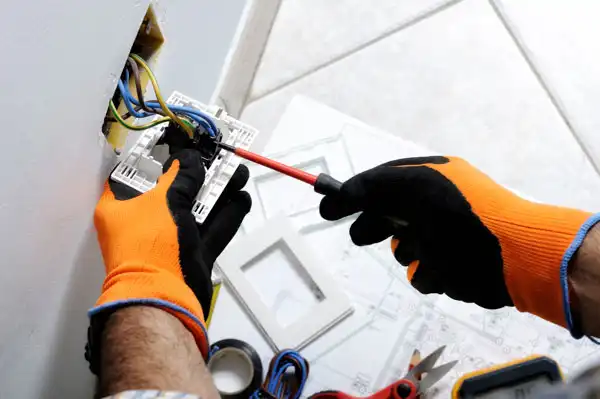
No hot water before work. A suspicious puddle creeping across the floor. A rumbling noise that sounds like a miniature bowling alley inside a steel tank. These are not household quirks. They are messages. Your water heater is trying to tell you something, and unlike your teenager, it is actually worth listening to the first time.
Water heater repair is one of those home service calls where timing matters. Catch a failing part early and the fix may be straightforward. Ignore the warning signs and you could be shopping for water heater installation while standing in soggy socks, wondering why the ceiling below the unit now has a water feature.
Let’s decode the most common signs your water heater needs attention, what they usually mean, and when it is time to call a plumber instead of pretending the sound is “probably normal.”
When “no hot water” is more than a bad morning
No hot water is the classic water heater complaint. It is also the one homeowners notice fastest, usually at the precise moment shampoo is in their hair and dignity has left the building.
The first question is whether you have no hot water at all, or simply not enough. Those are different problems. A completely cold shower from start to finish points toward a heating failure, fuel issue, power issue, pilot problem, thermostat failure, or tripped safety control. Water that starts hot but runs cold too quickly suggests capacity trouble, sediment buildup, a failing dip tube, or a household demand that has outgrown the equipment.
With a gas water heater, no hot water may mean the pilot light is out on an older model, the gas valve has failed, the thermocouple or flame sensor is not proving flame, or there is a gas supply issue. If you smell gas, do not troubleshoot like a weekend hero. Leave the area, avoid using switches or flames, and call the gas utility or emergency service. Gas installation service and gas appliance diagnosis belong in qualified hands for a reason. Natural gas does not reward curiosity.
With an electric water heater, the usual suspects are heating elements, thermostats, wiring, breakers, or the high-limit reset. Many electric tanks have two heating elements. If the upper element fails, you may get little to no hot water. If the lower element fails, you may get a short burst of hot water before it fades into sadness. An electrician or plumber who handles electric water heaters can test resistance, voltage, and safety controls without guessing.
Tankless water heaters add their own personality to the drama. No hot water from a tankless unit can stem from ignition failure, scale buildup, blocked venting, low flow, dirty filters, gas sizing problems, or error codes that flash like the unit is trying to communicate in robot Morse code. Sometimes the fix is cleaning a filter. Sometimes it is descaling. Sometimes the original installation was underfed with gas or water flow, and the unit has been grumbling quietly ever since.
The lukewarm shuffle
There is a special irritation reserved for water that is not cold, not hot, but lukewarm enough to feel like the plumbing system has given up emotionally. Lukewarm water often points to thermostat issues, sediment, a broken dip tube, mixing valve trouble, or crossed plumbing connections.
The dip tube deserves a moment in the spotlight. In a traditional tank water heater, cold water enters near the top but should be directed down toward the bottom of the tank through a dip tube. That keeps cold incoming water from immediately mixing with hot outgoing water near the top. When the dip tube cracks, breaks, or deteriorates, cold water can short-circuit right into the hot outlet area. The result is a tank that seems to heat water but delivers disappointing showers. It is a small plastic part with an outsized talent for ruining mornings.
Mixing valves can also create confusion. Some systems use a thermostatic mixing valve to blend hot and cold water for safety, especially when the tank is stored at a higher temperature. If the valve sticks or fails, the water may never get hot enough at fixtures. In homes with recirculation lines, plumbing repiping, recent fixture changes, or complex bathroom remodels, crossed hot and cold lines can cause similar symptoms. That is when a good plumber becomes less of a wrench-turner and more of a detective with damp knees.
Leaks: the puddle is not “just condensation” until proven otherwise
A water heater leak has a way of starting small and ending with a shop vac. The tricky part is that not every puddle means the tank itself has failed. Water can come from supply connections, drain valves, temperature and pressure relief valves, expansion issues, nearby pipes, condensate lines, or the tank shell. The source matters, because the difference between a repair and a replacement can be hundreds or thousands of dollars.
A small drip at a cold-water inlet or hot-water outlet connection may be repairable. Flexible connectors, dielectric nipples, shutoff valves, and threaded fittings can corrode or loosen over time. If the water appears at the top of the tank and runs downward, the tank may be innocent. Do not acquit it too quickly, but do not sentence it to replacement without checking.
A leaking drain valve near the bottom of the tank may be fixable too. Those plastic drain valves on some units are not exactly humanity’s finest engineering achievement. They can crack, fail to reseal after flushing, or seep around the stem. A plumber may be able to replace the valve, provided the tank itself is sound and accessible.
A leaking temperature and pressure relief valve, often called a T&P valve, is more serious than people realize. This valve is a safety device. It opens if temperature or pressure gets too high inside the tank. If it is dripping, it may be defective, or it may be doing its job because the system has excessive pressure, thermal expansion, a failed expansion tank, or overheating. Simply capping or plugging it is wildly dangerous. That is not repair. That is auditioning for a cautionary video.
Then there is the leak nobody wants: water coming from the tank itself. If the inner tank has corroded through, water heater repair usually becomes water heater installation. Traditional tank water heaters have a glass-lined steel tank, but once corrosion wins, patching is not a reliable option. You can sometimes delay disaster for a very short period with emergency measures, but you cannot un-rust a tank any more than you can un-toast bread.
Where the leak appears tells a story
A leak at the top often points toward fittings, valves, or supply lines. A leak from the side could involve the T&P valve, a fitting, or sometimes internal tank failure. A leak from the bottom might be the drain valve, condensation in some cases, or the tank itself. The important word is “might.” Water travels. It sneaks along seams, drips down insulation, follows pipes, and generally behaves like it has a law degree and enjoys loopholes.
Condensation can fool homeowners, especially with high-efficiency gas units or when cold water enters a tank in a humid space. But persistent water, growing puddles, rust streaks, or damp insulation should not be dismissed. If the pan under the water heater has water in it, find out why. If the pan drain is clogged or missing, fix that too. A pan without a working drain is basically a decorative soup bowl.
Attic water heaters deserve special urgency. A small attic leak can damage ceilings, insulation, drywall, flooring, and electrical components. If your water heater lives above finished space, a proper drain pan, working drain line, and leak detection shutoff are not luxuries. They are the difference between an inconvenience and a homeowner’s insurance conversation nobody wanted.
Strange noises: your tank is not haunted, probably
Water heaters make some normal sounds. A faint click during ignition, gentle water movement, or brief expansion noises can be part of operation. But loud popping, rumbling, banging, screeching, hissing, or sizzling deserve attention.
The most common noisy tank complaint is popping or rumbling. In many areas, this comes from sediment buildup. Minerals in the water settle at the bottom of the tank. Over time, they form a layer between the burner or heating element and the water. Water trapped beneath or within that sediment overheats, flashes into steam bubbles, and pops through the mineral layer. It sounds dramatic because it is dramatic, at least on a tiny geological scale. Your water heater is essentially boiling water under a crust of rock.
Sediment does more than make noise. It reduces efficiency, slows recovery, increases stress on the tank, and can shorten equipment life. In gas units, the burner has to heat through that layer. In electric units, lower elements can become buried, overheat, or fail. If the tank has not been flushed in years, a plumber may be cautious about flushing it aggressively, especially if it is old. Sometimes sediment has been plugging tiny weak points, and disturbing it can reveal leaks. That is not the plumber causing the leak. That is the plumbing equivalent of removing a rug and discovering the floor was mostly optimism.
A high-pitched whine or screech may come from a partially closed valve, restriction, scale, or pressure issue. Banging may involve water hammer, which happens when fast-moving water stops suddenly and sends a shock wave through the piping. Water hammer can be related to fixtures, appliances, pressure, missing arrestors, or loose pipes. It is not always the water heater’s fault, though the tank and piping nearby may take the blame because they are loud enough to be noticed.
Sizzling or hissing around a gas burner can Plumber indicate condensation dripping onto the burner, a leak inside the tank, or combustion problems. Any unusual sound paired with soot, gas odor, flame rollout, scorch marks, or carbon monoxide alarm activity calls for immediate professional attention. Heating contractor instincts apply here too, because combustion appliances do not care whether you categorize them as plumbing or HVAC. They only care whether air, fuel, venting, and safety controls are correct.
Rusty water and rotten egg smells
Rusty hot water can signal corrosion inside the water heater, deteriorating pipes, or trouble with the anode rod. The anode rod is a sacrificial metal rod inside the tank. Its job is to corrode so the tank does not. Noble work, terrible retirement plan. Once the anode rod is depleted, the tank becomes more vulnerable to rust. Replacing an anode rod can extend the life of a tank, especially in areas with aggressive water, but only if the tank has not already started failing.
If rusty water appears only from hot taps, the water heater is a likely suspect. If both hot and cold are rusty, the issue may be municipal supply, well water, old galvanized piping, or broader plumbing corrosion. Homes with older galvanized lines may eventually need plumbing repiping rather than endless fixture-by-fixture repairs. Galvanized piping can restrict flow, shed rust, and make clean water look like it was strained through a shipwreck.
A rotten egg smell from hot water often involves bacteria reacting with the anode rod, especially in certain well-water conditions. This is not usually dangerous in the cinematic sense, but it is unpleasant enough to make guests rethink their life choices. Remedies may include flushing, chlorination, changing anode rod material, or addressing water treatment. Water softener installation can help with hardness, but water chemistry is nuanced. Softened water can also affect anode behavior and corrosion patterns, so the best fix depends on the water, the tank, and the system as a whole.
The temperature problem that hides in plain sight
Sometimes the water heater is working, but the temperature is set wrong. Many manufacturers ship or recommend settings around 120 degrees Fahrenheit for a balance of comfort, energy use, and scald protection. Some households need a higher storage temperature with a mixing valve, especially if they have large tubs, high demand, or concerns about bacteria in specific systems. Higher temperature increases scald risk and energy use, so it should be handled thoughtfully.
If the water is suddenly much hotter than usual, do not ignore it. A failing thermostat or gas control can overheat water, which increases pressure and can trigger the T&P valve. Very hot water at taps is a safety issue, especially for children, older adults, and anyone with reduced sensation. It is also a sign that the water heater may not be controlling itself properly. Appliances that lose self-control are not charming. They are service calls.
On electric units, thermostats and elements work together. On gas units, the gas control valve regulates burner operation. Tankless units use sensors and controls to modulate output. In all cases, a temperature swing that cannot be explained by usage deserves diagnosis rather than random knob-twisting.
A short homeowner safety check before calling
Before you call for service, a few observations can help the technician arrive prepared. This is not a request to dismantle anything, lick a wire, or poke around a burner compartment with a butter knife. Keep it sensible.
- Check whether the problem affects every hot-water fixture or only one faucet or shower.
- Look for visible water around the tank, fittings, valves, drain pan, and nearby pipes.
- Note the age of the water heater, which is often printed on the rating plate or embedded in the serial number.
- Listen for when the noise happens, such as during heating, after a shower, or when a fixture shuts off.
- For electric units, see whether the breaker has tripped once, but do not keep resetting it if it trips again.
Those five details can save time. They help separate a water heater problem from a fixture cartridge issue, a pressure problem, a drain issue, or a household electrical problem. If the breaker trips repeatedly, that is a job for an electrician or qualified service technician. Breakers trip because something is wrong, not because they enjoy being dramatic.
Repair or replace: the math nobody loves
Every water heater eventually reaches the awkward stage where repair is technically possible but financially questionable. Age matters, but it is not the only factor. A six-year-old unit with a failed thermostat may be a good repair candidate. A twelve-year-old tank with rust, sediment noise, and a leaking valve may be waving goodbye with both hands.
Traditional tank water heaters often last somewhere around 8 to 12 years, though water quality, maintenance, installation quality, usage, and tank design can push that number up or down. Tankless units can last longer with proper maintenance, but they are not immortal. Scale, poor installation, neglected flushing, and bad venting can shorten their life.
The repair-versus-replace conversation should include the cost of the current repair, the likelihood of near-term failures, energy efficiency, household hot water needs, code upgrades, available space, venting, water quality, and warranty status. If the tank is leaking internally, replacement is usually the answer. If a control part failed on a fairly young unit, repair may make perfect sense. If your family has grown, you added a soaking tub, or everyone showers after sports practice at the same time, replacement might also be an opportunity to size the system correctly instead of continuing the daily hot-water Hunger Games.
There are hidden costs in poor replacement choices. An oversized unit may waste energy. An undersized one creates comfort complaints. A tankless unit installed without adequate gas line capacity may never perform properly. A heat pump water heater can be wonderfully efficient in the right setting, but it needs space, air volume, condensate handling, and the right expectations. This is where a seasoned plumber or heating contractor earns their keep, not by selling the fanciest box, but by matching the equipment to the home.
Maintenance: boring, useful, and cheaper than panic
Water heaters benefit from maintenance, even though most spend years being ignored behind paint cans and holiday decorations. Flushing a tank can reduce sediment, but the value depends on water quality, tank age, and how regularly it has been done. Annual flushing is often recommended, especially in hard-water areas, but an old neglected tank may need a gentler approach. Maintenance is not magic. It is dentistry for appliances. Better to brush all along than schedule heroic surgery after a decade of neglect.
Anode rod inspection matters too. In many homes, checking it every few years can help extend tank life. In hard or aggressive water, it may deplete faster. Replacing it is not always easy, because rods can seize in place, clearance can be limited, and the tank must be handled carefully. But when it is feasible, it is one of the few maintenance tasks that directly fights internal corrosion.
Tankless units need descaling based on water hardness and usage. In some homes, once a year makes sense. In others, the interval may differ. Skipping tankless maintenance can reduce flow, trigger error codes, strain heat exchangers, and turn a premium appliance into an expensive wall ornament.
Water pressure also deserves attention. High pressure stresses water heaters, supply lines, faucets, toilet fill valves, appliance hoses, and pretty much every plumbing leak repair waiting to happen. Many homes use a pressure reducing valve, and those valves can fail over time. If pressure is too high or thermal expansion is not controlled with an expansion tank where needed, the water heater may suffer. The T&P valve may drip. Pipes may hammer. Fixtures may wear out faster. Your plumbing system is not supposed to operate like a fire hose with cabinets.
When the water heater is blamed for other problems
Not every hot-water complaint starts in the water heater. Shower cartridges can fail and restrict hot water. Anti-scald settings at tub and shower valves can be adjusted too low. Recirculation pumps can malfunction. Check valves can stick. Laundry valves can create cross-connections. A clogged aerator can make one sink seem weak. Drain cleaning issues can be mistaken for water heater issues when a tub fills slowly with standing water and the homeowner notices the hot water running out during the wait.
That last one sounds odd until you see it in the field. A slow drain makes people keep water running longer. Then the water heater gets blamed for “running out,” when the real villain is hair, soap scum, and whatever mysterious object entered the drain during a child’s bath. Rooter service or hydrojetting may solve the drainage problem, while the water heater sits nearby wondering why its name was dragged into this.
HVAC and electrical systems sometimes enter the picture too. A heat pump water heater may affect the room temperature where it is installed. A shared mechanical room may house a furnace, air handler, or other equipment, so access and combustion air matter. If renovations have changed the space, a furnace repair service, air conditioning contractor, or heating contractor may notice venting or airflow concerns that also affect the water heater. Homes are systems, not isolated appliances lined up for solo performances.
Electrical capacity can influence replacement decisions. Moving from gas to electric, installing a heat pump water heater, or adding new equipment may require panel evaluation. That is electrician territory. Likewise, if a utility room remodel includes lighting changes, a lighting contractor or electrician should keep clearance, service access, and code requirements in mind. Nothing says “future regret” like installing beautiful shelving that traps the water heater behind a wall of decorative baskets.
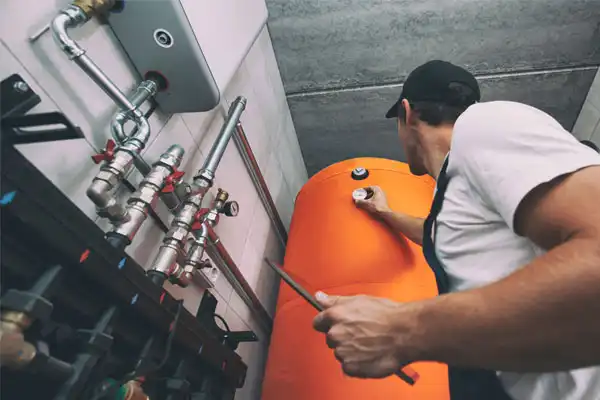
The hard-water factor
Hard water is not a moral failing, though it does behave like one. It leaves scale in water heaters, faucets, showerheads, dishwashers, and coffee makers. Scale reduces heat transfer and can accelerate wear. If your area has hard water and your tank rumbles like a gravel truck, mineral buildup is a prime suspect.
Water softener installation can reduce scale, but it should be selected and set up properly. Over-softening, neglected salt tanks, improper drain connections, and poor installation can create new problems. In homes on septic systems, homeowners often ask whether softeners affect the septic system service schedule or performance. The answer depends on system design, discharge volume, local rules, and water treatment setup. It is worth discussing with a qualified pro rather than trusting the most confident stranger on a neighborhood forum.
A whole-home approach may include softening, filtration, pressure control, and regular water heater maintenance. It may sound less exciting than a shiny new appliance, but water quality management can help the whole plumbing system last longer. Your water heater is just the most vocal member of the chorus.
Emergency signs you should not sleep on
Some water heater symptoms can wait for a scheduled appointment. Others deserve immediate action. If water is actively flooding, shut off the water supply to the heater if you can do so safely. For gas units, follow manufacturer guidance and shut off gas if needed and safe. For electric units, turn off power at the breaker before standing near water or touching equipment. If you are unsure, step away and call a professional.
Call promptly if you see active leaking from the tank, water near electrical components, repeated breaker trips, a strong gas smell, soot around a gas appliance, a discharging T&P valve, scalding hot water, or carbon monoxide alarms sounding. Carbon monoxide is odorless and dangerous, and fuel-burning appliances require proper venting and combustion. Do not negotiate with alarms. They are not suggestions.
Here is the second and final list, because some things deserve to be pinned to the mental refrigerator:
- No hot water plus a tripped breaker that will not stay reset needs professional electrical diagnosis.
- A leaking tank usually means replacement, not a heroic patch job.
- A dripping T&P valve should never be capped, plugged, or ignored.
- Rumbling often points to sediment, especially in hard-water areas.
- Gas odors, soot, or carbon monoxide alarms require immediate safety action.
That is the practical core. The rest is judgment.
Why installation quality matters as much as the heater
A good water heater installed badly is just a future service call wearing new packaging. Proper installation includes correct sizing, safe venting, suitable materials, expansion control, seismic strapping where required, drain pan and drainage where needed, correct electrical or gas connections, proper clearances, and code-compliant temperature and pressure relief piping.
The T&P discharge pipe, for example, should terminate safely and should not be reduced, capped, threaded at the end in many jurisdictions, or routed uphill in a way that traps water. Yet plumbers still find creative disasters. Some look like modern art. Some look like a dare. None are good.
Gas water heaters need proper vent draft and combustion air. Backdrafting can spill combustion gases into the home. Electric water heaters need correct wire size, breaker size, grounding, and connections. Tankless water heaters need manufacturer-specified venting, gas line capacity, condensate handling for condensing models, and maintenance access. Heat pump water heaters need space and air exchange. Even a simple swap can become complicated if the old installation was grandfathered, unsafe, or simply wrong from day one.
Companies that handle multiple trades, such as Service Lion Plumbing Heating Air Electric, can be useful when a water heater issue overlaps with wiring, gas, HVAC space constraints, or broader home comfort concerns. The important thing is not the logo on the truck so much as whether the technician understands the whole system and tells you the truth before the old tank turns your utility room into a splash pad.
The homeowner’s nose for nonsense
Homeowners do not need to become plumbers, but they should know when an explanation passes the smell test. If someone recommends replacing a water heater without looking for the leak source, ask questions. If someone says a leaking T&P valve can be plugged, show them the door with confidence and perhaps a raised eyebrow. If a tankless unit has never been descaled and is throwing flow errors, maintenance may be the first conversation, not immediate replacement. If a 14-year-old tank is leaking from the bottom, however, replacement is not a conspiracy. It is physics collecting a debt.
Good diagnosis sounds specific. It identifies the symptom, verifies the cause, and explains the options. “Your lower element has failed, the tank is eight years old, there is moderate sediment, and the anode condition is unknown” is useful. “It’s bad” is not. Sometimes the honest answer includes uncertainty, especially when hidden corrosion or internal tank condition is involved. A professional should be able to explain what can be tested, what can be observed, and what cannot be guaranteed.
The cheapest repair is not always the cheapest outcome. Replacing a part on a tank that is already leaking internally wastes money. Replacing a whole heater because of a loose fitting wastes even more. Judgment sits between panic and denial.
What to expect during a service visit
A typical water heater repair visit starts with questions. When did the problem begin? Is the issue constant or intermittent? Has anything changed recently, such as a remodel, new appliance, water softener, power outage, gas work, or plumbing repair? Then comes inspection. The technician checks visible leaks, connections, venting, valves, burner operation or electrical components, temperature, pressure, and sometimes water quality indicators.
For electric units, testing may include voltage, continuity, resistance, thermostat operation, and element condition. For gas units, it may include pilot or ignition checks, burner inspection, gas control operation, flame characteristics, draft, and safety devices. For tankless units, error codes, flow rate, inlet filters, venting, combustion, and scale are common checks.
If repair is practical, the technician should explain the part, labor, and expected result. If replacement is recommended, they should discuss size, type, warranty, code updates, and any related work. That may include expansion tanks, shutoff valves, pans, drains, venting, gas piping, electrical disconnects, or permits depending on local requirements.
No homeowner loves hearing that the job is bigger than expected. Still, it is better to learn that before installation than after. Water heaters combine water, pressure, heat, fuel or electricity, and sometimes exhaust gases. That is enough drama without adding shortcuts.
The quiet victory of fixing it early
A healthy water heater is not exciting. It does not trend. It does not impress dinner guests unless your guests have unusually strong opinions about recovery rates. But hot water is one of those comforts that makes a house feel civilized. When it disappears, leaks, bangs, smells rusty, or starts acting like a basement percussionist, pay attention.
No hot water usually points toward heating or control failure. Leaks range from minor fitting repairs to full tank replacement. Strange noises often implicate sediment, pressure, restrictions, or combustion concerns. Rust, odor, temperature swings, and repeated safety trips add more clues. The sooner you interpret those clues, the better your odds of avoiding damage, discomfort, and the dreaded emergency replacement.
Your water heater does not need admiration. It needs clean water conditions, safe pressure, occasional maintenance, proper installation, and a homeowner who notices when the mechanical room starts making popcorn sounds. Give it that, and it may keep doing its humble job for years.
Ignore it, and one day it may remind you who really controls the shower.
Name: Service Lion Plumbing Heating Air Electric
Address: 521 W Briardale Ave, Orange, CA 92865, United States
Phone: (657) 337-3622
Website: https://callservicelion.com/
Email: [email protected]
Hours:
Monday: Open 24 hours
Tuesday: Open 24 hours
Wednesday: Open 24 hours
Thursday: Open 24 hours
Friday: Open 24 hours
Saturday: Open 24 hours
Sunday: Open 24 hours
Open-location code: R48R+WV Orange, California, USA
Map/listing URL:
https://www.google.com/maps/search/?api=1&query=Google&query_place_id=ChIJQU4LBWHV3IARtnABtyykSA4
Google Map:
Socials:
https://www.facebook.com/ServiceLionCA/
https://www.youtube.com/channel/UCR_L35QzsRTxYZtX8PxJvPw
Local Service Information
Service Lion Plumbing Heating Air Electric provides plumbing, drain, heating, air conditioning, and electrical services from its Orange, California location.The company serves homeowners and properties throughout Orange and communities across Orange County and surrounding areas.
Available services include plumbing repairs, water heater work, drain and sewer services, heating and cooling service, electrical repairs, panels, lighting, outlets, and related home-system work.
Service is available for residential properties as well as light commercial needs described within the company's local service-area information.
The company's website emphasizes locally operated service, coordinated home-system support, and practical scheduling for plumbing, HVAC, and electrical needs.
The matching public business listing shows the Orange location as open 24 hours a day, seven days a week.
For service information or scheduling, call (657) 337-3622 or visit https://callservicelion.com/.
The public map listing identifies the business at 521 W Briardale Ave, Orange, CA 92865 and can be used for location and direction information.
Popular Questions About Service Lion Plumbing Heating Air Electric
What services does Service Lion Plumbing Heating Air Electric provide?
The company provides plumbing, drain and sewer, heating, air conditioning, and electrical services. Its published services include plumbing repair, water heaters, drain clearing, sewer work, HVAC repair and installation, electrical repairs, panels, circuit breakers, lighting, outlets, and related services.
Where is Service Lion Plumbing Heating Air Electric located?
The matching business location is 521 W Briardale Ave, Orange, CA 92865, United States.
What areas does Service Lion Plumbing Heating Air Electric serve?
The company serves Orange County and surrounding communities. Its published service-area information includes Orange, Anaheim, Brea, Yorba Linda, Fullerton, Huntington Beach, Newport Beach, Costa Mesa, Irvine, Lake Forest, and additional nearby cities.
Is Service Lion Plumbing Heating Air Electric open 24 hours?
The matching public business listing shows the location as open 24 hours on Monday through Sunday.
Does Service Lion Plumbing Heating Air Electric work on drains and sewer lines?
Yes. Published services include drain clearing, rooter service, camera inspection, hydro jetting, sewer line repair and installation, water line work, slab leak detection, and trenchless sewer line repair.
Does Service Lion Plumbing Heating Air Electric provide heating and air conditioning service?
Yes. Its published HVAC services include air conditioning repair and installation, heating service, furnace work, heat pumps, air ducts, indoor air quality assessments, and thermostat installation.
Does Service Lion Plumbing Heating Air Electric provide electrical service?
Yes. Published electrical services include repairs and installations, electrical panels, circuit breakers, safety inspections, lighting, outlets and switches, surge protection, generators, and EV charging equipment installation.
How can I contact Service Lion Plumbing Heating Air Electric?
Call (657) 337-3622.
Email: [email protected]
Website: https://callservicelion.com/
Facebook: https://www.facebook.com/ServiceLionCA/
Landmarks Near Orange, California
Old Towne Orange Historic District
A central historic district and useful geographic reference point for the Orange community.
Plaza Park
A well-known public gathering point in the center of Old Towne Orange.
Orange Public Library & History Center
A civic landmark serving residents near central Orange.
Hart Park
A major public park and recreation area south of central Orange.
Eisenhower Park
A public park serving neighborhoods in northern Orange.
Santiago Oaks Regional Park
A regional recreation and open-space landmark on the eastern side of Orange.
Irvine Regional Park
A large regional park and recognizable reference point east of the city.
Orange Park Acres
A distinctive residential community and service-area reference point in eastern Orange.
El Modena
An established Orange neighborhood that provides a practical local coverage reference.
Glassell Street
One of the city's principal north-south streets and a useful route through central Orange.
Lincoln Avenue
A major east-west roadway serving northern Orange and nearby communities.
State Route 55
A primary regional freeway connecting Orange with other parts of Orange County.